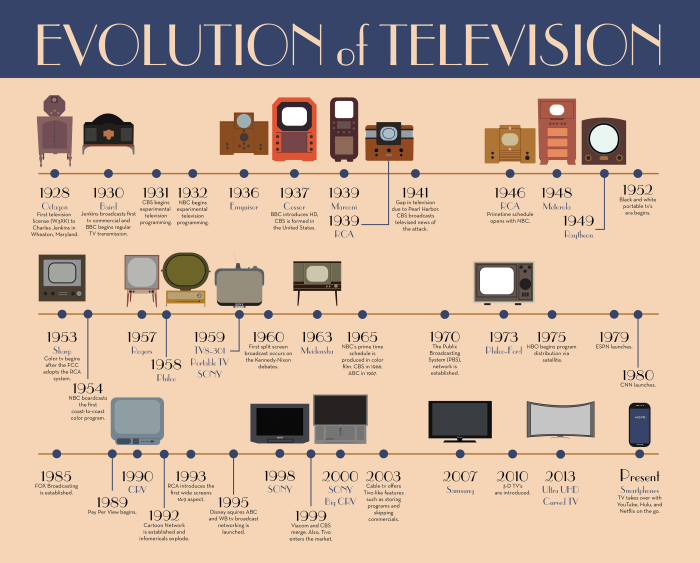
How TV Shows Are Made A Comprehensive Guide

Made shows television get updated december tv

The seemingly effortless magic of television unfolds through a complex and fascinating process. From the initial spark of an idea to the final broadcast, countless individuals contribute their expertise to bring captivating stories to our screens. This exploration delves into the intricate journey of television production, revealing the stages involved in crafting the shows we watch and love.

We’ll examine the creative genesis of a show, from initial concept development and character building to scriptwriting and meticulous storyboarding. Then, we’ll journey through the pre-production hustle and bustle, including casting, location scouting, and set design. The intricacies of filming, encompassing shot selection, camera angles, and lighting, will be analyzed. Finally, we’ll uncover the post-production magic of editing, sound design, and visual effects, concluding with the strategic distribution and broadcasting strategies that bring the finished product to viewers worldwide.

A comparison with movie production will further illuminate the unique challenges and triumphs of the television landscape.

Scriptwriting and Storyboarding

The creation of a compelling television show hinges on two crucial pre-production phases: scriptwriting and storyboarding. These processes, while distinct, are deeply intertwined, working together to translate a show’s initial concept into a concrete visual narrative ready for filming. A well-crafted script provides the foundation, while storyboarding provides a visual roadmap for the director and crew.

The Scriptwriting Process: From Artikel to Final Draft

The journey from initial idea to finalized script involves several iterative stages. First, a detailed Artikel is created, breaking down the episode or season into acts, scenes, and key plot points. This provides a structural framework, ensuring a logical flow of events and character development. The Artikel may include character arcs, thematic elements, and potential turning points. Following the Artikel, the screenwriter begins drafting the script, fleshing out dialogue, action descriptions, and character interactions.

This initial draft often undergoes multiple revisions, incorporating feedback from producers, showrunners, and other creative personnel. The script may be revised to address pacing, character consistency, and narrative clarity. Finally, after several rounds of revision, the script is finalized and approved, ready for production. The entire process emphasizes collaboration and iterative refinement, ensuring the final product is both compelling and cohesive.

Storyboarding: Visualizing the Narrative

Storyboarding serves as a visual blueprint for each scene, translating the script’s written descriptions into a series of panels. Each panel depicts a single shot, outlining camera angles, character positioning, and key action elements. Storyboarding helps visualize the pacing and rhythm of a scene, ensuring smooth transitions and effective storytelling. It allows the director to plan shots meticulously, considering factors such as lighting, set design, and overall visual aesthetics.

Furthermore, storyboarding facilitates communication among the production team, providing a clear understanding of the director’s vision and simplifying the complex process of filmmaking. This visual representation minimizes ambiguity and facilitates a more efficient and streamlined production. A well-executed storyboard minimizes potential problems on set and allows for better allocation of resources.

Scriptwriting Styles Across Genres

Different television genres employ distinct scriptwriting styles. For example, a sitcom script emphasizes snappy dialogue, comedic timing, and clear character archetypes. The script often includes detailed stage directions to guide the actors’ physical comedy and interactions. In contrast, a drama series script prioritizes character development, complex relationships, and nuanced dialogue. The emphasis is on emotional depth and subtle storytelling techniques.

Action-adventure shows necessitate scripts with dynamic action sequences, detailed descriptions of stunts and special effects, and a fast-paced narrative structure. Each genre demands a unique approach to scriptwriting, tailored to its specific conventions and audience expectations. The style reflects the overall tone and pacing, influencing the visual language employed in the final product.

Pre-Production

Pre-production is the crucial planning phase before a single camera rolls. It’s where the vision for the show takes concrete form, transforming abstract ideas into a detailed blueprint for filming. This stage involves meticulous organization, collaboration, and a significant amount of problem-solving to ensure the smooth execution of production. Thorough pre-production minimizes costly on-set issues and maximizes efficiency.Pre-production encompasses several key areas, each demanding careful consideration and coordination.

These include securing the necessary funding, assembling the creative team, finalizing the script, and planning the logistics of filming. Effective pre-production ensures a cohesive and well-executed production.

Casting

Casting involves selecting actors to portray the characters in the script. This process often begins with auditions, where actors perform scenes from the script to showcase their talent and suitability for the roles. Casting directors work closely with the director and producers to identify actors who not only possess the necessary acting skills but also align with the overall vision for the show.

Factors such as physical appearance, vocal quality, and chemistry between actors are all considered. A successful cast can significantly impact the show’s success. For example, the casting of a relatively unknown actor like Bryan Cranston as Walter White in “Breaking Bad” proved to be a masterstroke, catapulting the show to critical acclaim.

Location Scouting

Location scouting is the process of identifying and securing suitable filming locations. The scout team, often led by a location manager, searches for places that match the script’s descriptions and overall aesthetic. They consider factors such as accessibility, permits, costs, and the availability of resources. The selected locations must also meet the technical requirements of filming, including adequate lighting, sound quality, and space for the crew.

For instance, a period drama might require a location that authentically reflects a specific historical era, while a science fiction show might necessitate a location that creates a futuristic atmosphere.

Set Design

Set design encompasses the creation of the physical environments where the show will be filmed. This includes constructing sets from scratch, modifying existing locations, or utilizing a combination of both. The set designer works closely with the director and production designer to translate the script’s vision into a tangible environment. The design considers factors such as the overall tone, style, and functionality of the sets, ensuring they are both aesthetically pleasing and practical for filming.

A well-designed set can significantly contribute to the show’s visual appeal and narrative effectiveness. The elaborate sets in shows like “Game of Thrones” are a prime example of the impact effective set design can have.

Budget Allocation

Budget allocation involves carefully distributing the available funds across different aspects of the production. This includes allocating resources to casting, location scouting, set design, costumes, props, equipment rentals, crew salaries, and post-production. A detailed budget is essential for managing expenses and ensuring that the production stays within its financial constraints. Effective budget management requires careful planning and monitoring throughout the pre-production and production phases.

Budget overruns can significantly impact a show’s profitability and even lead to its cancellation. For example, many successful shows have strict budgets that require creative solutions to achieve desired effects.

Sample Production Schedule (Single Episode)

The following is a sample production schedule, remember that these are estimates and vary greatly depending on the show’s complexity and budget:

Week Activity
1 Script breakdown, casting calls, location scouting begins
2 Casting finalized, location secured, set design begins
3 Set construction, costume and prop acquisition
4 Rehearsals, final set dressing, equipment check
5 Filming
6 Post-production (editing, sound mixing, VFX)

Pre-Production Departments and Roles

Effective pre-production relies on the coordinated efforts of several key departments. Each department plays a critical role in bringing the show to life before filming even begins.

  • Production Design Department: Responsible for the overall visual look of the show, including set design, costumes, and props.
  • Casting Department: Finds and selects actors for the various roles.
  • Location Department: Scouting, securing, and managing filming locations.
  • Production Management Department: Oversees the budget, scheduling, and overall logistics of pre-production.
  • Art Department: Creates and manages all the visual elements of the show, including set design, props, and costumes.

Filming and Production

Bringing a TV show script to life involves a complex and collaborative filming process. This stage translates the meticulously planned pre-production elements into a visual narrative, requiring careful coordination between the director, cinematographer, actors, and crew. The success of this phase hinges on efficient scheduling, effective communication, and a shared understanding of the show’s overall aesthetic.Filming a TV show episode is a multi-faceted process that begins with shot selection.

The director, working closely with the cinematographer, chooses the specific shots needed to tell the story effectively. This involves considering camera angles, composition, and movement to convey emotion, establish setting, and maintain visual interest. The script’s action lines and dialogue guide the selection of shots, but the director’s artistic vision plays a crucial role in shaping the visual language of the show.

Lighting is another critical element, used to create mood, highlight key actions, and guide the viewer’s eye. Different lighting techniques, from high-key (bright and even) to low-key (dark and shadowy), are employed depending on the genre and desired effect.

Shot Selection, Camera Angles, and Lighting Techniques

Shot selection involves choosing from a range of shots, including wide shots (establishing the setting), medium shots (showing characters and their interactions), and close-ups (emphasizing emotion and detail). Camera angles also contribute significantly to the narrative. A high-angle shot might portray a character as vulnerable, while a low-angle shot can make them appear powerful. Lighting techniques, such as backlighting, side lighting, and front lighting, shape the mood and atmosphere, enhancing the emotional impact of the scene.

For instance, a dimly lit scene might create suspense, while a brightly lit scene could convey happiness or optimism. The interplay of these elements is crucial in shaping the viewer’s experience.

Filming Styles Across Genres

Different TV genres employ distinct filming styles. Sitcoms often utilize a multi-camera setup with a live studio audience, creating a more immediate and energetic feel. The quick cuts and close-ups emphasize comedic timing and reactions. In contrast, dramas frequently utilize a single-camera setup, allowing for greater control over lighting, camera angles, and shot composition. This approach often results in a more cinematic and visually sophisticated aesthetic.

Documentaries, on the other hand, typically employ a cinéma vérité style, using handheld cameras and natural lighting to create a sense of immediacy and realism. The editing style often reflects the documentary’s narrative structure, weaving together interviews, B-roll footage, and archival materials.

Comparison of Camera Setups

Camera Setup Description Advantages Disadvantages
Single-Camera One camera is used to film each shot, allowing for greater control over composition and lighting. Often used for dramas and some reality shows. High creative control, cinematic look, flexibility in shot selection. More time-consuming, higher production costs.
Multi-Camera Multiple cameras are used simultaneously, often in a studio setting with a live audience. Commonly used for sitcoms and game shows. Faster production, lower costs per episode, immediate audience reaction. Less creative control, limited camera angles.
Handheld The camera is held by the operator, creating a more dynamic and immersive feel. Frequently used in documentaries and action sequences. Creates a sense of immediacy and realism, good for fast-paced action. Can be shaky and less stable, requires skilled camerawork.
Steadicam A camera stabilization system that allows for smooth, flowing shots, even while moving. Used in a wide range of genres to achieve fluid camera movements. Smooth and stable shots, creates a professional and polished look. Requires specialized equipment and skilled operators, relatively expensive.

Post-Production

Post-production is where the magic truly happens. After the cameras stop rolling and the actors go home, the raw footage undergoes a transformative journey, shaping it into a cohesive and engaging narrative. This stage involves a complex interplay of editing, sound design, visual effects, and color grading, all working together to create the final product.The post-production process is arguably as crucial as pre-production and filming.

It’s where the director’s vision is truly realized, and where the raw materials are refined into a polished, compelling piece of television. The various stages are intricately linked, with decisions made in one area influencing choices in others.

Editing

Editing is the backbone of post-production. It involves selecting, arranging, and assembling the best takes of footage to create a continuous and coherent narrative. Editors use various techniques, such as cutting, transitions, and pacing, to control the flow of the story and manipulate the viewer’s emotional response. For example, a quick cut sequence might convey a sense of urgency or chaos, while slower, more deliberate cuts can build suspense or intimacy.

The editor’s skill lies in seamlessly weaving together disparate shots to create a compelling and engaging visual experience. They also work closely with the director to ensure the final product aligns with the creative vision.

Sound Mixing

Sound mixing is the process of combining and balancing all the audio elements of a show, including dialogue, music, sound effects, and ambient noise. A skilled sound mixer ensures that the dialogue is clear and understandable, while the music and sound effects enhance the emotional impact and atmosphere of each scene. For instance, a tense scene might feature low, rumbling sounds and dissonant music to heighten the sense of dread, whereas a romantic scene might utilize softer music and gentle ambient sounds to create a more intimate mood.

The goal is to create a cohesive and immersive soundscape that complements the visuals and enhances the storytelling.

Visual Effects

Visual effects (VFX) range from subtle enhancements to completely fantastical creations. They can involve anything from removing unwanted objects from a scene to creating entire digital environments. In television, VFX might be used to create realistic-looking explosions, enhance special effects, or add digital elements to a scene. The use of VFX is often driven by budget and the overall aesthetic of the show.

A sci-fi show, for instance, might make extensive use of VFX to create otherworldly landscapes and futuristic technology, whereas a period drama might use more subtle VFX to enhance the visual quality of the set and costumes.

Color Grading

Color grading is the process of adjusting the color and tone of the footage to create a specific look and feel. It involves manipulating the color saturation, contrast, and brightness to achieve the desired aesthetic. Different color palettes can evoke different emotions and moods. A dark and desaturated look might create a sense of mystery or gloom, while vibrant and saturated colors might convey energy and excitement.

Color grading is often used to create a consistent visual style throughout the entire show. A skilled colorist can significantly impact the overall tone and atmosphere of the production.

Distribution and Broadcasting

Getting a TV show from the post-production stage to the eyes of viewers is a complex process involving multiple players and strategies. Distribution and broadcasting encompass a wide range of activities, from negotiating deals with networks and streaming services to crafting compelling marketing campaigns that resonate with the target audience. The methods and challenges involved vary significantly depending on the chosen distribution channels.The process of distributing a TV show involves securing agreements with various platforms.

Traditional television networks, like ABC, CBS, and NBC, typically acquire the rights to air a show through licensing agreements. These agreements specify the number of episodes, the broadcast schedule, and the associated fees. Streaming services, such as Netflix, Hulu, and Amazon Prime Video, operate differently; they might commission shows directly or acquire the rights to already-produced content. These platforms often utilize their own proprietary distribution infrastructure, bypassing traditional broadcasting methods.

Furthermore, international distribution requires separate agreements with broadcasters or streaming services in each target region, adding another layer of complexity.

Distribution Channels and Agreements

Securing distribution deals involves navigating the intricacies of licensing agreements, rights clearances, and revenue sharing models. Negotiations with networks and streaming services often hinge on factors such as the show’s potential audience, the production budget, and the overall market demand. The agreements Artikel the terms of distribution, including exclusivity periods (meaning the show can only air on one platform for a specific time), the number of times the show can be broadcast, and how the revenue generated from advertising or subscriptions is split between the production company and the distribution platform.

For example, a popular show might command a higher licensing fee and a more favorable revenue-sharing agreement compared to a less-established program.

Marketing and Promotion Strategies

Effective marketing and promotion are crucial for a show’s success. Strategies typically involve a multi-pronged approach, leveraging various media channels to reach the target audience. Traditional methods, such as television commercials and print advertisements, are still used, but digital marketing plays an increasingly important role. This includes targeted social media campaigns, online video advertising, and influencer marketing. The use of trailers, clips, and behind-the-scenes content on platforms like YouTube and social media can generate significant buzz and anticipation before a show’s premiere.

Furthermore, engaging with viewers through social media and responding to feedback can build a loyal fanbase. For instance, a successful campaign might involve creating interactive online experiences related to the show’s plot or characters.

Challenges Faced by Traditional Broadcasters and Streaming Platforms

Traditional broadcasters face the challenges of declining viewership due to cord-cutting (the cancellation of cable TV subscriptions) and increasing competition from streaming services. Maintaining a consistent schedule and managing advertising revenue are also key concerns. Streaming platforms, on the other hand, grapple with the high cost of content acquisition and production, fierce competition for subscribers, and the need to constantly develop original programming to attract and retain viewers.

Furthermore, streaming platforms need to manage data security, user experience, and issues of content piracy. The Netflix original series

Stranger Things*, for example, showcases the success of a streaming platform’s original content, while the decline in viewership of many network television shows illustrates the challenges faced by traditional broadcasters.

Movies and Television
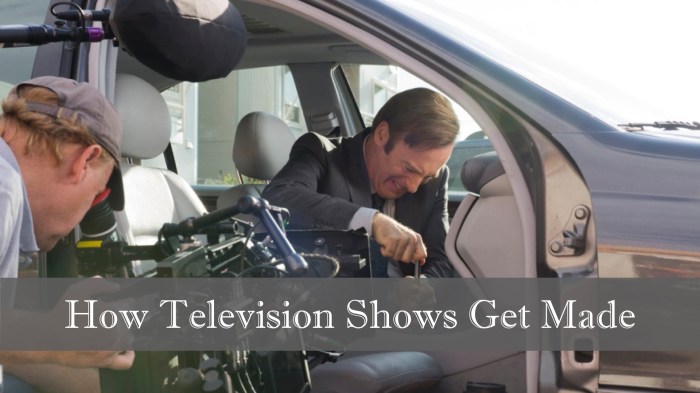
Tv show make

Movies and television shows, while both visual storytelling mediums, differ significantly in their production processes, creative approaches, and overall storytelling techniques. Understanding these differences illuminates the unique characteristics and appeal of each format. The evolving landscape, however, is blurring these lines, creating hybrid forms that challenge traditional classifications.Movies and television productions operate under fundamentally different constraints. The most obvious is budget.

Feature films typically command far larger budgets, allowing for extensive location shooting, elaborate sets, and high-end special effects. Television series, particularly those with longer runs, often operate under tighter financial restrictions, requiring creative solutions to achieve visual impact within budgetary limitations. This directly impacts scheduling; movies are typically shot over a concentrated period, while television series unfold over months or even years, requiring efficient scheduling to accommodate actors’ availability and production logistics.

Production Process Differences

Movie production is generally a more linear process. Pre-production, principal photography, and post-production are distinct phases, each with a defined timeline. Television production, especially for series, is more iterative. Episodes are often filmed concurrently, requiring flexible scheduling and a more agile production approach. This difference stems from the episodic nature of television, demanding a continuous output of content.

Furthermore, television often incorporates more improvisation and flexibility during filming to accommodate the ongoing narrative arc and character development across multiple episodes. Movie production, in contrast, tends to be more rigidly planned and executed.

Storytelling Techniques

While both mediums utilize narrative structure, pacing, and character development, their storytelling techniques differ due to their inherent formats. Movies typically focus on a self-contained narrative, culminating in a resolution within a specific timeframe. Television series, on the other hand, employ serialized storytelling, building upon previous episodes and developing characters and plotlines across multiple seasons. This allows for more nuanced character exploration and complex plot arcs, something less easily achieved within the confines of a single movie.

Movies often prioritize a dramatic climax, while television series sustain tension and anticipation over longer periods, often leaving viewers on cliffhangers to ensure continued viewership.

The Evolving Relationship Between Movies and Television

The rise of streaming services and the increasing popularity of limited series have significantly blurred the lines between movies and television. Limited series, often boasting cinematic production values and compelling narratives, occupy a unique space, offering the depth of a television series within a contained narrative arc. This has led to a significant shift in creative talent, with filmmakers increasingly drawn to the opportunities presented by the television medium.

Furthermore, the success of many high-budget, critically acclaimed television series has challenged the traditional perception of television as a lesser art form, elevating it to a status comparable to cinema.The following examples illustrate this evolving relationship:

  • True Detective (HBO): This anthology series features cinematic storytelling, complex characters, and a high production value typically associated with feature films.
  • Band of Brothers (HBO): A miniseries that adopted the scope and production quality of a feature film to tell a compelling historical narrative across multiple episodes.
  • Chernobyl (HBO): This limited series achieved widespread critical acclaim and demonstrated the potential for television to tackle ambitious and complex subject matter with cinematic artistry.
  • The Crown (Netflix): A long-running series that uses the scope and depth of a series to tell a complex historical story, often with cinematic production values in certain episodes.

Illustrative Example: The Heist Scene from “Money Heist”

Made shows television get updated december tv

This section will detail the creation of the pivotal scene in the Spanish TV series “Money Heist” where the robbers first enter the Royal Mint of Spain. This scene, crucial to the series’ overall narrative, exemplifies the multifaceted process of television production.The scene depicts the robbers, disguised as security personnel, meticulously entering the Royal Mint. The tension is palpable as they navigate the complex security systems, facing the risk of discovery at every turn.

The scene’s success hinges on a perfect blend of intricate planning, skilled execution, and meticulous post-production work.

Pre-Production Planning for the Heist Scene

Extensive pre-production planning was crucial. The production team meticulously recreated the Royal Mint’s interior, ensuring accuracy down to the smallest detail. This involved securing blueprints, consulting with security experts, and constructing a near-perfect replica set. Detailed shot lists and storyboards were created to visualize the scene’s progression, specifying camera angles, actor movements, and special effects requirements. The team also held extensive rehearsals with the actors to perfect their timing and movements.

This stage involved collaboration between the director, production designer, and the actors to ensure a seamless and believable sequence. The careful planning ensured that the filming process ran smoothly and efficiently, maximizing the impact of the scene.

Filming Techniques

The scene was shot using a variety of techniques to maintain tension and suspense. Long takes were employed to immerse the viewer in the robbers’ perspective, conveying the claustrophobia and pressure of the situation. Steadicam shots were used to follow the robbers as they moved through the building, creating a sense of immediacy and realism. Close-ups focused on the actors’ expressions to heighten the emotional impact, conveying their anxieties and determination.

The use of multiple cameras allowed for different angles and perspectives, providing the editors with a wide range of options during post-production. Careful attention was paid to lighting and sound design to enhance the atmosphere and contribute to the overall tension of the scene.

Post-Production Processes

Post-production involved extensive editing, sound design, and visual effects. The editor meticulously pieced together the footage, selecting the most effective shots to build suspense and maintain a fast pace. Sound design played a crucial role, using ambient sounds to enhance the atmosphere and subtle musical cues to emphasize key moments. Visual effects were employed subtly to enhance certain elements, such as adding digital enhancements to background details or subtly adjusting lighting to increase the dramatic effect.

Color grading was used to create a specific mood and visual style consistent with the show’s overall aesthetic. The final product was a tightly edited, visually stunning scene that perfectly captures the tension and excitement of the heist’s opening moments. The post-production team worked closely with the director to ensure that the final cut accurately reflected the scene’s intended impact.

Creating a successful television show is a collaborative endeavor demanding creativity, meticulous planning, and unwavering dedication. From the initial brainstorming sessions to the final broadcast, each stage plays a vital role in shaping the viewer experience. Understanding this intricate process reveals the immense effort and artistry behind the seemingly effortless entertainment we consume, highlighting the synergy between creative vision and technical expertise that makes television such a powerful and pervasive medium.

Questions and Answers

What is the average budget for a TV show?

TV show budgets vary wildly depending on genre, network, and number of seasons. A half-hour sitcom might cost significantly less than a big-budget drama series.

How long does it take to produce a single episode?

Production time varies greatly, from a few weeks for a simple sitcom to several months for a complex drama with extensive visual effects.

What are the most important roles in TV production?

Key roles include showrunner, writers, directors, producers, cinematographers, editors, and sound designers.

How are actors cast for TV shows?

Casting directors conduct auditions, screen tests, and callbacks to find the best actors for each role. The process can be lengthy and competitive.
Independent Films vs Blockbusters A Comparative Analysis

Independent blockbuster struggle hollywoodinsider demands visions reaching compromise defining filmmakers fox

The cinematic landscape is a diverse tapestry woven from threads of independent artistry and blockbuster spectacle. This exploration delves into the contrasting worlds of independent films and blockbuster movies, examining their production, distribution, creative control, audience reception, and impact on the film industry as a whole. We will uncover the unique challenges and triumphs inherent in each approach, revealing the fascinating interplay between artistic vision and commercial success.

From minuscule budgets and intimate crews to multi-million dollar productions and global marketing campaigns, the differences are stark. Yet, both independent and blockbuster films contribute significantly to the rich and ever-evolving narrative of cinema, each playing a crucial role in shaping the cinematic experience for audiences worldwide. This analysis aims to illuminate these distinctions and explore their implications for the future of filmmaking.

Budget and Production

Blockbusters british

The chasm between independent films and blockbuster movies is perhaps most dramatically illustrated in their budgets and production processes. While both aim to tell compelling stories, the resources available significantly shape the final product, influencing everything from the scope of the narrative to the technical quality of the visuals.Independent films typically operate on significantly smaller budgets, ranging from a few thousand dollars to a few million.

Blockbusters, on the other hand, often boast budgets exceeding hundreds of millions of dollars. This difference in financial backing translates into vastly different production approaches.

Budget Ranges and Examples

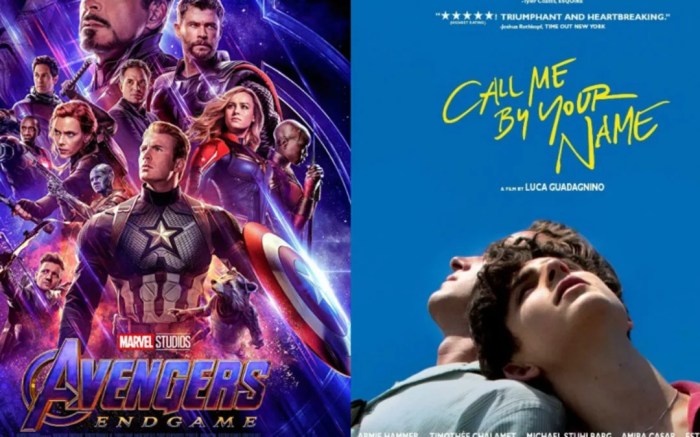
Independent films often rely on creative financing, crowdfunding, or smaller studio backing. While some manage to secure substantial funding, such as the $30 million budget for “Moonlight” (2016), which ultimately won several Academy Awards, the vast majority operate within much tighter constraints. Conversely, blockbusters like “Avengers: Endgame” (2019) commanded a budget exceeding $350 million. A notable exception to the typical high-budget blockbuster is “The Blair Witch Project” (1999), which was made for a mere $60,000 but grossed over $248 million worldwide, demonstrating the potential for low-budget films to achieve significant commercial success.

Production Processes

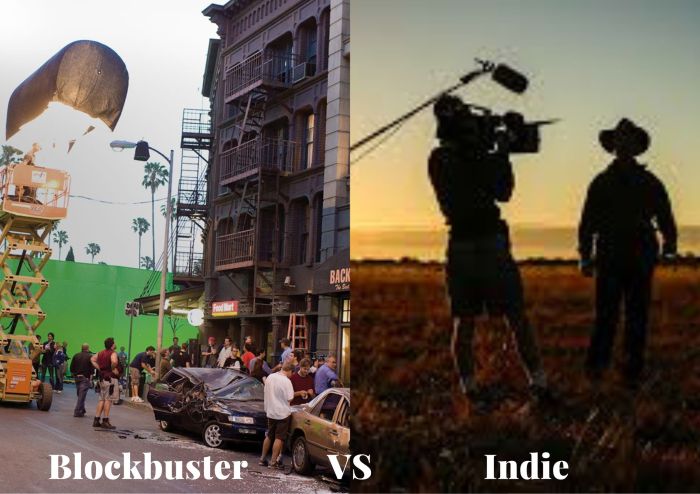
The production processes for independent and blockbuster films differ significantly. Independent films often utilize smaller, more agile crews, frequently relying on multi-skilled individuals who wear multiple hats. Filming locations are typically more modest, often chosen for their accessibility and affordability, potentially utilizing locations that are easily accessible to reduce costs. Technology may be less advanced, although the rise of affordable high-quality digital cameras has leveled the playing field somewhat.

Blockbusters, conversely, employ massive crews with specialized roles for each member. Filming often takes place on elaborate sets constructed specifically for the film or on location shoots requiring significant logistical planning and resources. They leverage cutting-edge technology, including advanced visual effects (VFX), to deliver spectacular visuals.

Production Timelines

The time it takes to bring a film from concept to completion also varies significantly between independent and blockbuster productions. Blockbusters, with their complex visual effects and extensive post-production work, typically require much longer timelines. Independent films, due to their smaller scope and streamlined processes, can often be completed more quickly.

Film Type Pre-Production Time Production Time Post-Production Time
Independent Film 3-6 months 1-3 months 3-6 months
Blockbuster Film 1-2 years 6-12 months 1-2 years

Distribution and Marketing

Independent films and blockbusters employ vastly different strategies for distribution and marketing, reflecting their contrasting budgets and target audiences. The scale of these differences significantly impacts the reach and success of each type of film. Blockbusters rely on widespread theatrical releases and extensive marketing campaigns, while independent films often utilize a more targeted approach, leveraging film festivals and digital platforms.The distribution channels utilized by independent films and blockbusters differ significantly.

Blockbusters typically prioritize a wide theatrical release, aiming for maximum box office revenue in the initial weeks. This involves securing deals with major cinema chains for prominent screening slots and coordinating simultaneous releases across multiple territories. Independent films, conversely, often premiere at film festivals (such as Sundance, Cannes, or Tribeca) to gain critical acclaim and attract distributors. Following festival screenings, distribution might involve limited theatrical releases in select cities, or a direct-to-streaming release through platforms like Netflix, Hulu, or smaller streaming services specializing in independent cinema.

Some independent films may also opt for a hybrid approach, combining limited theatrical runs with simultaneous or subsequent streaming releases.

Distribution Channel Comparison

Independent films and blockbusters diverge significantly in their distribution strategies. Blockbusters leverage massive theatrical releases, aiming for maximum audience reach through major cinema chains. In contrast, independent films often premiere at film festivals, utilizing this platform for critical recognition and securing distribution deals. Subsequent release strategies for independent films might include limited theatrical releases, direct-to-streaming releases, or a combination of both.

This diversity reflects the varying goals and resource constraints of each film type.

Marketing Strategies

Blockbuster marketing campaigns are typically large-scale, high-budget affairs designed to generate significant pre-release buzz and maximize opening weekend box office. These campaigns utilize a multi-platform approach, including television commercials, print advertisements, extensive online advertising (including social media campaigns), billboards, and partnerships with major brands. They frequently involve celebrity endorsements and carefully crafted trailers designed to appeal to a broad audience.

Independent films, on the other hand, often employ more targeted marketing strategies, focusing on building a niche audience through social media engagement, targeted online advertising, and press outreach to film critics and specialized publications. Film festival screenings and word-of-mouth marketing also play a crucial role in generating awareness and building anticipation.

Marketing Budget and Promotional Activities

The differences in marketing budgets and promotional activities between independent films and blockbusters are stark. A concise overview of these differences is presented below:

  • Marketing Budget: Blockbusters typically have marketing budgets in the tens or even hundreds of millions of dollars, while independent films often operate with budgets ranging from a few thousand to a few hundred thousand dollars.
  • Promotional Activities: Blockbusters engage in extensive television advertising, print campaigns, billboard advertising, large-scale social media campaigns, and celebrity endorsements. Independent films rely more heavily on social media marketing, targeted online advertising, film festival participation, press kits, and grassroots outreach.
  • Target Audience: Blockbusters aim for broad appeal, targeting a wide demographic. Independent films typically target more niche audiences, often focusing on specific genres, themes, or demographics.
  • Distribution Strategy: Blockbusters utilize widespread theatrical releases, often coordinated internationally. Independent films may employ limited theatrical releases, direct-to-streaming releases, or a combination of both.

Creative Control and Artistic Vision

The chasm between independent filmmaking and blockbuster production is perhaps most dramatically illustrated in the realm of creative control. While both strive for artistic merit, the path to achieving it, and the degree of freedom experienced by the filmmaker, differ significantly. Independent films often offer a more intimate and personally driven creative process, whereas blockbusters, due to their scale and investment, frequently involve a more collaborative and sometimes heavily scrutinized approach.Independent filmmakers often enjoy a significantly higher level of creative control than their blockbuster counterparts.

This stems from the smaller scale of their projects, which typically involve fewer stakeholders and less external pressure to conform to pre-established formulas for success. The director’s vision tends to be paramount, and the creative decisions are frequently driven by artistic merit rather than market demands. This autonomy allows for experimentation and the exploration of unconventional narratives and styles.

Creative Control in Independent vs. Blockbuster Films

Independent films provide directors with substantially more creative freedom. Consider filmmakers like Quentin Tarantino, whose distinct style and narrative choices have consistently defined his independent work, or Wes Anderson, celebrated for his meticulously crafted visual aesthetic and quirky storytelling. These directors, along with many others working outside the studio system, have the agency to pursue their unique visions without the significant compromises often required in larger-scale productions.

Conversely, blockbuster films, while capable of showcasing artistic talent, are often subject to extensive studio oversight, market research, and test screenings, which can lead to compromises in the director’s initial vision. The creative process becomes a negotiation, with the director’s input balanced against the studio’s concerns regarding profitability and audience appeal. A prime example might be a superhero film where a director’s initial dark, gritty vision might be toned down to make it more commercially appealing.

Common Themes and Stylistic Choices

Independent films frequently explore more personal, intimate, and often unconventional themes. Character studies, social commentary, and explorations of complex emotional landscapes are commonplace. Stylistically, independent films often embrace experimental techniques, unconventional cinematography, and non-linear narratives. Blockbusters, on the other hand, tend to focus on broad, widely appealing themes such as heroism, good versus evil, and grand-scale adventures. Their stylistic choices are generally more conventional, aiming for visual spectacle and narrative clarity to appeal to a mass audience.

This isn’t to say that blockbusters are devoid of artistic merit; however, their creative choices are often guided by the need to cater to a wider audience and maximize box office potential.

Creative Risks in Independent vs. Blockbuster Films

Independent filmmakers are often more willing to take creative risks, as the potential financial consequences of failure are significantly lower. They can experiment with unconventional storytelling, challenging themes, and experimental visual styles without the fear of jeopardizing a massive budget. This willingness to push boundaries leads to a wider range of cinematic experiences and innovations. Conversely, blockbuster films, with their enormous budgets and marketing campaigns, are often more risk-averse.

The pressure to deliver a commercially successful product often leads to a preference for familiar formulas and proven strategies, minimizing the potential for financial loss but potentially limiting creative innovation. The high financial stakes involved often lead to a more conservative approach, prioritizing safety over artistic experimentation.

Target Audience and Reception

Independent blockbuster struggle hollywoodinsider demands visions reaching compromise defining filmmakers fox

Independent films and blockbuster movies cater to vastly different audiences, resulting in contrasting critical reception and box office performance. While blockbusters aim for mass appeal, independent films often focus on niche audiences or explore more unconventional themes. This difference in target audience directly impacts the films’ critical reviews and financial success.Independent films frequently attract audiences interested in more artistic or thought-provoking narratives, often with smaller budgets and less reliance on special effects.

Blockbusters, conversely, prioritize spectacle and broad appeal, relying heavily on marketing and established franchises to draw large audiences. This difference significantly impacts both the critical and commercial success of each type of film.

Target Audience Demographics

The target audience for independent and blockbuster films varies considerably across age, gender, and interests. While generalizations can be made, these are not absolute, and many films blur the lines between these categories.

Film Type Age Range Gender Interest
Independent Film 18-55+ (wide range, often skewed towards older viewers) Generally balanced, though specific films may skew towards a particular gender Arthouse cinema, character-driven stories, social commentary, independent filmmaking
Blockbuster Film 13-35 (though franchises can attract a wider age range) Generally balanced, though specific films may target a particular gender (e.g., action films may lean towards male audiences) Action, adventure, fantasy, science fiction, superhero narratives, spectacle, established franchises

Critical Reception and Box Office Performance

Critically acclaimed independent films often receive awards and recognition at film festivals and from critics, but their box office performance is typically modest. Examples include Moonlight (2016), which won Best Picture at the Oscars, and Parasite (2019), a South Korean thriller that won Best Picture at the Oscars, both achieving critical acclaim but not necessarily massive box office numbers compared to blockbusters.Conversely, commercially successful blockbusters often generate enormous box office revenue but may receive mixed or less favorable reviews from critics.

Examples include the Marvel Cinematic Universe films, which consistently break box office records but are not always praised for their artistic merit. The Avatar franchise exemplifies films with high box office returns but varying critical reception across its sequels. While the first Avatar film received generally positive reviews, the subsequent films garnered more mixed critical responses.

Impact on the Film Industry

Independent and blockbuster films, while seemingly occupying different spheres of the cinematic universe, exert a profound and reciprocal influence on the film industry’s evolution. Their contrasting approaches to filmmaking, distribution, and audience engagement contribute to a dynamic ecosystem that shapes cinematic trends, technological advancements, and artistic expression.Independent films often serve as incubators for cinematic innovation and artistic expression. Their lower budgets and less rigid structures allow filmmakers greater creative freedom to experiment with narrative styles, visual techniques, and thematic explorations.

This experimentation frequently finds its way into mainstream cinema, influencing both style and substance.

Independent Films’ Influence on Cinematic Innovation

Independent films have consistently pushed the boundaries of storytelling and filmmaking. For example, the Dogme 95 movement, with its strict rules limiting filmmaking technology, forced filmmakers to focus on narrative and performance, influencing a return to minimalist aesthetics in many mainstream productions. Similarly, the rise of mumblecore, characterized by its naturalistic dialogue and low-budget aesthetics, demonstrated that compelling narratives could be crafted with minimal resources, impacting the approach to character development in a wider range of films.

The success of films like

  • Pulp Fiction* (1994), with its non-linear narrative structure, demonstrated the viability of unconventional storytelling techniques that were subsequently adopted by many blockbuster filmmakers. The stylistic innovations seen in films like
  • Clerks* (1994), which revolutionized low-budget filmmaking techniques and distribution, have also paved the way for more independent voices to gain wider recognition.

Blockbuster Films’ Influence on Industry Trends

Blockbuster films, with their massive budgets and global reach, play a significant role in shaping industry trends and driving technological advancements. The pursuit of higher box office returns often leads to investment in cutting-edge visual effects, innovative sound design, and immersive cinematic experiences. The success of films likeAvatar* (2009) spurred advancements in 3D technology and motion capture, influencing subsequent productions across the industry.

Similarly, the Marvel Cinematic Universe’s success has redefined the landscape of franchise filmmaking and the integration of interconnected narratives. The emphasis on spectacle and technological advancements in blockbusters often pushes the boundaries of what’s cinematically possible, even influencing the technical capabilities of independent films through the wider availability of advanced tools and techniques.

Coexistence and Mutual Influence of Independent and Blockbuster Films

The relationship between independent and blockbuster films is not simply one of contrast but also of mutual influence and occasional convergence. Independent films often serve as proving grounds for new talent and innovative approaches, which can later be adopted by larger studios. Conversely, the success of blockbuster films can create opportunities for independent filmmakers, increasing investment in the industry and expanding the audience for diverse cinematic voices.

The rise of streaming platforms has further blurred the lines between these two categories, allowing independent films to reach wider audiences while also enabling studios to experiment with smaller-scale projects and diverse storytelling approaches. For example, the success of Netflix’s original programming, which includes a mix of independent-style productions and larger-scale projects, demonstrates the convergence of these two sectors and their impact on the overall cinematic landscape.

Movies and Television

The lines between film and television have become increasingly blurred in recent years, driven largely by the rise of streaming services and evolving audience consumption habits. While independent films and television series, both independent and network, maintain distinct characteristics, a comparative analysis reveals fascinating similarities and significant differences in their production styles, storytelling, target audiences, and distribution models.Independent films often prioritize artistic expression and unique storytelling, while television series, particularly those on streaming platforms, offer opportunities for serialized narratives and character development across multiple episodes.

This difference in format directly influences production styles and the overall narrative arc.

Production Styles and Storytelling Approaches

Independent films typically operate with smaller budgets and crews, fostering a more intimate and collaborative production environment. Storytelling often focuses on character-driven narratives with a singular, self-contained story. In contrast, network television series often adhere to established formats and genres, utilizing larger production teams and resources to deliver consistent, high-quality episodes across a season. Streaming services offer more flexibility, allowing for diverse formats and greater creative freedom for both independent and network productions.

For example, the anthology series “Black Mirror” on Netflix showcases a variety of narrative styles and themes within a single overarching concept, reflecting the flexibility offered by streaming. Conversely, a low-budget independent film like “Tangerine” (2015), shot entirely on iPhones, demonstrates the creative possibilities with limited resources, prioritizing a unique visual style and compelling story over large-scale production values.

Target Audiences and Distribution

Independent films often target niche audiences interested in arthouse cinema, experimental filmmaking, or specific genres. Distribution typically involves film festivals, limited theatrical releases, and direct-to-video or streaming platforms. Network television series aim for broader appeal, catering to mass audiences with established programming formats and genres. Streaming services have expanded the reach of both independent films and television series, providing access to global audiences and enabling niche content to find wider viewership.

The success of shows like “Atlanta” on FX, which blends comedy, drama, and social commentary, exemplifies how streaming platforms can support shows with specific cultural relevance and unique perspectives, reaching audiences beyond traditional network television.

Impact of Streaming Services

Streaming services have revolutionized the distribution and consumption of both independent films and television. They provide platforms for independent filmmakers to bypass traditional gatekeepers and reach wider audiences directly. Simultaneously, streaming services have fostered a culture of binge-watching and on-demand viewing, altering the way audiences engage with both film and television content. Netflix’s original programming, for instance, has profoundly impacted the television landscape, pushing creative boundaries and challenging traditional network television models.

The success of independent films on platforms like Amazon Prime Video and Mubi demonstrates the expanding reach and accessibility of independent cinema to a global audience.

Blurring Lines Between Film and Television

The distinctions between film and television are increasingly blurred. Successful film-to-TV adaptations, such as “Fargo” (based on the Coen brothers’ film) and “The Handmaid’s Tale” (based on Margaret Atwood’s novel but adapted for television), demonstrate the potential for expanding narrative universes and exploring characters in greater depth. Conversely, television series are increasingly transitioning to the big screen, with shows like “Game of Thrones” and “Stranger Things” expanding their narratives and world-building with feature-length films or special episodes.

This demonstrates a shift in how stories are conceived and distributed, highlighting the increasing interconnectedness of film and television production and consumption.

Ultimately, the comparison between independent films and blockbusters reveals not a dichotomy, but a spectrum of creative expression and commercial viability. While blockbusters often dominate the box office, independent films frequently push boundaries, fostering innovation and challenging conventional storytelling. Their coexistence is vital to the health of the film industry, offering a diverse range of cinematic experiences that cater to a broad spectrum of tastes and preferences.

The future of cinema likely lies in a continued dialogue between these two powerful forces, each enriching and influencing the other.

Top FAQs

What are some examples of successful crossover films – those that blend independent and blockbuster styles?

Examples include films like “Little Miss Sunshine” (indie sensibilities with broad appeal) and “The Blair Witch Project” (low budget indie that became a blockbuster phenomenon).

How do streaming services affect the distribution of independent films?

Streaming services offer wider distribution reach for independent films, bypassing traditional theatrical release limitations and reaching global audiences directly. However, competition for audience attention remains fierce.

What role do film festivals play in the success of independent films?

Film festivals serve as crucial platforms for independent films, providing exposure to critics, distributors, and potential audiences, often leading to wider distribution and critical acclaim.

Are there any examples of independent films that significantly impacted mainstream cinema?

Many independent films have influenced mainstream cinema, such as “Pulp Fiction,” which redefined independent filmmaking and influenced countless subsequent films.

Future of Streaming Services A Technological and Market Analysis

Dreamcast

The streaming landscape is undergoing a rapid transformation, driven by technological advancements, evolving content creation models, and fierce competition. From the rise of immersive technologies like VR and AR to the increasing influence of AI in content personalization, the future of how we consume entertainment is being reshaped. This exploration delves into the key factors influencing this dynamic environment, examining the challenges and opportunities faced by both established giants and emerging players.

This analysis considers the impact of technological advancements such as 5G and improved video compression on streaming quality and accessibility, the evolving relationship between streaming services and traditional studios, and the implications of mergers and acquisitions on market competition. We will also explore innovative content distribution models, evolving subscription strategies, and the critical role of user experience and personalization in shaping the future of streaming.

Subscription Models and Monetization Strategies

Zuckerberg believes

The success of streaming services hinges on a carefully crafted balance between attracting and retaining subscribers and generating sufficient revenue. This requires a nuanced understanding of various subscription models and a proactive approach to exploring new monetization avenues. The following sections delve into the complexities of this landscape, examining different subscription models, potential revenue streams, challenges in subscriber retention, and a hypothetical pricing strategy for a niche market.

Comparison of Subscription Models

Streaming services utilize diverse subscription models to cater to varying consumer preferences and budgets. The most prevalent models include ad-supported, premium (ad-free), and tiered subscriptions. Ad-supported models offer a lower price point, often free, in exchange for viewing advertisements. Premium subscriptions provide an ad-free experience at a higher cost. Tiered subscriptions offer various levels of service, with increasing price points corresponding to enhanced features like higher video quality, offline downloads, or simultaneous streams.

Netflix’s shift from a single-tiered model to a multi-tiered structure, introducing a cheaper, ad-supported plan, exemplifies the adaptability of these models to market demands and changing consumer behavior. Disney+, similarly, offers a basic ad-supported plan alongside its premium ad-free offering. The choice of model depends heavily on the service’s target audience, content library, and overall business strategy.

Potential New Revenue Streams

Beyond traditional subscription fees, streaming platforms are actively exploring new revenue streams to bolster profitability and diversify income sources. Live events, such as concerts or sporting events, offer a compelling opportunity to generate substantial revenue through pay-per-view or subscription add-ons. Interactive experiences, including interactive narratives or games integrated into the streaming platform, can enhance user engagement and provide additional revenue streams through in-app purchases or premium features.

The increasing popularity of live streaming of esports tournaments and concerts on platforms like Twitch and YouTube showcases the potential of this avenue. Furthermore, partnerships with brands for targeted advertising and sponsored content offer additional revenue generation possibilities.

Challenges of Subscriber Churn and User Engagement

Maintaining a high subscriber base and preventing churn is a critical challenge for streaming services. Factors contributing to churn include price increases, lack of compelling content, competition from rival platforms, and poor user experience. Strategies to mitigate churn involve offering personalized recommendations, improving user interface and navigation, investing in high-quality original content, and providing excellent customer support. To maintain user engagement, platforms must continuously update their content libraries, introduce new features, and personalize the viewing experience.

Netflix’s use of sophisticated algorithms to recommend shows and movies to individual users is a prime example of a strategy aimed at improving user engagement and reducing churn.

Hypothetical Pricing Strategy for a Niche Streaming Service

Consider a new streaming service specializing in independent documentaries focusing on environmental issues. This niche audience is likely to value high-quality content and a curated selection over a vast, unfocused library. A viable pricing strategy could involve a single premium tier at $7.99 per month, offering ad-free streaming of all documentaries in high definition. This price point balances affordability with the perceived value of specialized, high-quality content.

To incentivize early adoption, a limited-time introductory offer of $4.99 per month for the first three months could be implemented. This strategy focuses on delivering a premium experience to a targeted audience, recognizing their willingness to pay for specialized content.

The Future of User Experience and Personalization

Dreamcast

The streaming landscape is rapidly evolving, driven by advancements in technology and a growing demand for personalized and engaging experiences. The future of streaming hinges on leveraging data, AI, and innovative design to create platforms that are not only intuitive and enjoyable but also accessible to a diverse user base. This necessitates a focus on user experience (UX) improvements that cater to individual preferences and needs.

AI and Machine Learning in Personalization

AI and machine learning are transforming how streaming services deliver content. These technologies analyze vast amounts of user data – viewing history, ratings, search queries, and even time spent watching specific scenes – to generate highly personalized recommendations. Algorithms go beyond simple genre matching, identifying nuanced preferences and predicting future viewing choices with increasing accuracy. For example, Netflix’s recommendation engine famously uses collaborative filtering to suggest shows similar to those enjoyed by users with similar viewing patterns.

This sophisticated approach moves beyond basic genre suggestions to offer a more intuitive and engaging experience, increasing user satisfaction and potentially reducing churn. Future iterations will likely incorporate more contextual factors, such as time of day or mood, to further refine recommendations.

Advancements in User Interface Design

Improved user interface (UI) design is crucial for enhancing the streaming experience. This involves simplifying navigation, creating visually appealing interfaces, and implementing intuitive controls. We can expect to see more personalized dashboards, customizable layouts, and seamless integration across multiple devices. Voice control and gesture-based interactions will also become more prevalent, making it easier to navigate and interact with the platform.

For example, Disney+’s kid-friendly interface with simplified navigation and large, easily selectable icons is a step in this direction. Further advancements could include AI-powered interface adjustments that adapt to individual user preferences and viewing habits, creating a truly tailored experience.

Accessibility Features for Users with Disabilities

Accessibility is no longer a niche concern; it’s a critical aspect of inclusive design. Future streaming services will prioritize features that cater to users with various disabilities. This includes providing high-quality closed captions and subtitles in multiple languages, audio descriptions for visually impaired users, and keyboard navigation for those with motor impairments. Moreover, advancements in AI-powered technologies could enable personalized accessibility adjustments, automatically optimizing the user interface based on individual needs.

For instance, a platform could automatically adjust font sizes, contrast levels, and audio settings based on a user’s declared visual or auditory impairments. Such features ensure that everyone can enjoy the benefits of streaming services.

Data Analytics for User Experience Improvement

Data analytics play a crucial role in optimizing user experience and engagement. By tracking user behavior, streaming platforms can identify areas for improvement. Analyzing data on user drop-off rates, navigation patterns, and content consumption helps identify friction points in the user journey. For example, if a significant number of users abandon a show after a particular episode, this data can point to issues with the show’s pacing or a problem with the platform’s interface.

This insight allows developers to make targeted changes to improve user retention and overall satisfaction. Furthermore, A/B testing different UI designs and recommendation algorithms allows for data-driven decisions, ensuring that improvements are demonstrably effective.

The future of streaming services promises a vibrant and diverse entertainment landscape, shaped by technological innovation, evolving content strategies, and a dynamic competitive environment. While challenges remain, particularly for smaller players navigating the complexities of market consolidation and subscriber retention, the potential for growth and innovation is immense. The industry’s focus on personalized experiences, enhanced user interfaces, and innovative monetization strategies will ultimately determine the winners and losers in this rapidly evolving ecosystem.

The continued embrace of technological advancements and a keen understanding of audience preferences will be crucial for success in this exciting and ever-changing field.

Q&A

What role will advertising play in the future of streaming?

Advertising is likely to play an increasingly significant role, particularly with the rise of ad-supported tiers and the need for diverse revenue streams. However, the balance between providing a high-quality viewing experience and acceptable advertising levels will be crucial.

How will streaming services address piracy?

Combating piracy will continue to be a major challenge. Strategies will likely involve improved anti-piracy technologies, stronger legal frameworks, and collaborative efforts across the industry.

What about the impact on employment in the entertainment industry?

The streaming revolution has already led to significant shifts in employment, with some roles disappearing and new ones emerging. The future will likely see a greater demand for specialists in areas like AI, data analytics, and user experience design.

TV Show vs Web Series A Production Deep Dive

The lines between television shows and web series are increasingly blurred, yet significant differences remain in production, distribution, and creative control. This exploration delves into the core distinctions between these two powerful mediums, examining budgetary considerations, narrative structures, platform accessibility, and the impact of streaming services on their evolution. We’ll compare and contrast their unique characteristics, highlighting successful crossovers and the distinct creative landscapes they inhabit.

From the initial conception and scripting stages to post-production and distribution, the journey of a TV show differs greatly from that of a web series. We’ll analyze how these differences influence the storytelling, target audience, and ultimately, the overall viewer experience. This comparative analysis aims to provide a comprehensive understanding of the strengths and weaknesses of each format, shedding light on their respective contributions to the ever-evolving world of visual entertainment.

Movies and Television

Movies and television, while both visual storytelling mediums, employ distinct approaches to narrative, audience engagement, and production. This analysis explores these key differences and similarities, examining their evolution and the impact of cinematic techniques on television’s development.

Storytelling Approaches and Narrative Structures

Movies typically present a self-contained narrative arc within a limited timeframe. The story unfolds in a linear fashion, focusing on a central conflict and its resolution. Television series, conversely, often employ serialized storytelling, developing characters and storylines across multiple episodes and seasons. This allows for greater complexity and exploration of themes, but also requires a sustained commitment from the audience.

Furthermore, movies tend to favor a three-act structure, while television shows might utilize a more episodic or serialized structure, or even a hybrid approach. The pacing also differs significantly, with movies often employing a faster pace to maintain momentum, while television shows have more room for character development and slower-burn plotlines.

Audience Engagement Techniques

Movies aim for immediate emotional impact, relying heavily on visual spectacle and a tightly-paced narrative to keep the audience engaged for a relatively short duration. Television series, on the other hand, cultivate a longer-term relationship with the audience, encouraging emotional investment in characters and their journeys over time. This fosters a sense of community among viewers, often leading to passionate fan bases and online discussions.

The use of cliffhangers and serialized mysteries are common techniques to maintain viewer interest across episodes and seasons.

Evolution of Television Storytelling

The evolution of television storytelling has been significantly influenced by cinematic techniques:

  • Adoption of cinematic language: Television shows increasingly utilize techniques like sophisticated camera angles, dynamic editing, and evocative cinematography, borrowed from the film industry.
  • Increased production values: The rise of streaming services has led to a significant increase in the budget and production quality of television shows, allowing for cinematic scope and visual storytelling.
  • Complex narratives and character development: Inspired by the success of complex cinematic narratives, television has embraced serialized storytelling, intricate character arcs, and morally ambiguous characters.
  • Genre blending: Television shows are increasingly blurring genre lines, incorporating elements of drama, comedy, science fiction, and fantasy into a single narrative, similar to the trend in some films.

Production Process, Budget, and Distribution

The production process, budget, and distribution models for movies and television differ substantially:

Aspect Movies Television Comparison
Production Process Typically a shorter, more concentrated period of production. A longer, more spread-out production schedule, often spanning months or even years. Movies are sprints, TV shows are marathons.
Budget Generally higher upfront costs, concentrated in a shorter timeframe. Lower per-episode budget, but overall costs can be substantial over multiple seasons. Movies have higher initial investment; TV shows have ongoing costs.
Distribution Primarily theatrical release, followed by home video and streaming. Broadcast television, cable television, and streaming platforms. Movies have a more defined release window; TV shows have ongoing distribution.
Storytelling Approach Typically self-contained narratives with a clear beginning, middle, and end. Often serialized narratives that unfold over multiple episodes and seasons, allowing for more complex character development and plotlines. Movies are self-contained; TV shows are ongoing stories.

Visual Representation of Narrative Conventions

A Venn diagram could effectively illustrate the overlap and distinctions between movie and television narrative conventions. The left circle would represent “Movies,” and the right circle would represent “Television Series.” The overlapping area would contain elements common to both, such as character development, plot structure, and visual storytelling techniques. The area unique to “Movies” might include elements like a tightly-paced narrative, a singular, focused storyline, and a high reliance on visual spectacle.

The area unique to “Television Series” might contain elements such as serialized storytelling, character arcs spanning multiple episodes, cliffhangers, and ongoing storylines that develop over time. The size of each circle and the size of the overlap could be adjusted to reflect the relative importance of each aspect and the degree of overlap between the two mediums.

Ultimately, the choice between creating a TV show or a web series hinges on a multitude of factors, including budget, creative vision, target audience, and desired distribution reach. While both formats offer unique opportunities for storytelling, understanding their fundamental differences is crucial for creators aiming to maximize their impact and achieve their artistic goals. The ongoing convergence of these mediums, fueled by the rise of streaming platforms, promises an exciting future for both television and web series, leading to innovative storytelling approaches and increased accessibility for audiences worldwide.

FAQ Summary

What are the typical lengths of episodes in TV shows vs. web series?

TV shows typically have longer episodes (30-60 minutes), while web series episodes can range from short-form (under 10 minutes) to feature-length.

How does the level of audience interaction differ?

Web series often foster greater audience interaction through social media and direct engagement with creators, while TV shows traditionally have less direct audience participation.

What are some examples of successful web series that transitioned to television?

Examples include “The Guild” and “High Maintenance,” which successfully transitioned to television after gaining popularity online.

What are the key differences in marketing and promotion?

TV shows often rely on traditional marketing channels, while web series leverage social media and online platforms for promotion, allowing for more targeted and interactive campaigns.

Highest-Grossing Films of All Time

The allure of cinematic success is undeniable, and few metrics capture this as effectively as box office revenue. This exploration delves into the world of highest-grossing films, examining not only the financial titans but also the cultural impact, marketing strategies, and evolving trends that shape their dominance. We’ll dissect the factors contributing to a film’s phenomenal success, considering everything from star power and critical acclaim to the influence of inflation and the shift to streaming platforms.

From classic blockbusters to modern marvels, we will analyze the top performers, compare their genres and marketing approaches, and consider the long-term consequences of their box office triumphs. This investigation goes beyond simple rankings, providing insights into the dynamic interplay between film production, distribution, and audience reception.

Defining “Highest-Grossing Films”

Determining the highest-grossing films requires a nuanced understanding of various factors, as simple box office numbers can be misleading without considering the impact of inflation, differing market sizes, and evolving distribution methods. A truly comprehensive ranking necessitates a careful consideration of these elements.The definition of “highest-grossing” hinges on several key variables. Firstly, inflation significantly impacts the purchasing power of money over time.

A film earning $1 billion in 1980 holds vastly different purchasing power than a film earning $1 billion in 2023. Therefore, inflation-adjusted gross figures offer a more accurate comparison across different eras. Secondly, the distinction between domestic (within a specific country, typically the US) and international box office revenue is crucial. Some films might dominate domestically while others conquer the global market, making a combined global gross a more comprehensive metric.

Finally, the method of distribution significantly affects the final revenue. Traditional theatrical releases are traditionally the primary focus, but the rise of streaming platforms and home video sales adds complexity to the equation. Different ranking organizations handle these variables differently, leading to variations in their respective lists.

Box Office Tracking: A Historical Overview

Accurate and comprehensive box office tracking is a relatively recent phenomenon. Early box office reporting relied on estimations and incomplete data, making historical comparisons challenging. The evolution of box office tracking mirrors technological advancements. Initially, data collection involved manual reporting from individual theaters. The introduction of computerized systems improved data collection efficiency and accuracy.

The establishment of specialized box office reporting companies, such as Box Office Mojo, further standardized data collection and analysis, leading to more reliable and detailed information. The digital age has further enhanced this process, allowing for real-time tracking and data analysis, providing near-instantaneous updates on box office performance. The integration of online ticket sales has also significantly improved data accuracy.

Methodologies Used by Ranking Organizations

Different organizations employ varying methodologies when compiling their lists of highest-grossing films. Some organizations prioritize unadjusted gross revenue, reflecting the actual amount of money earned at the box office. This approach offers a straightforward measure of commercial success but fails to account for inflation’s effects. Other organizations utilize inflation-adjusted figures, providing a more contextually accurate comparison across different time periods.

The choice of using unadjusted or adjusted figures significantly influences the ranking, with older films often rising in the rankings when inflation is considered. Furthermore, some organizations incorporate both domestic and international gross revenue, while others focus solely on domestic figures. The inclusion or exclusion of revenue from streaming services, home video sales, and other ancillary markets also introduces further variability in the rankings.

The specific methodologies employed by each organization are usually detailed on their websites, allowing for a transparent understanding of their ranking processes.

In conclusion, the pursuit of box office dominance reveals a complex interplay of artistic vision, shrewd marketing, and audience preference. While raw numbers provide a compelling snapshot of success, a deeper understanding of the historical context, inflationary pressures, and the ever-changing entertainment landscape is crucial. The highest-grossing films of all time represent not just financial milestones but also significant cultural touchstones, reflecting societal shifts and shaping popular culture for generations to come.

The future of film, with its evolving technologies and distribution methods, promises even more dramatic changes to the definition and measurement of cinematic success.

Question Bank

What is the difference between gross revenue and net profit for a film?

Gross revenue is the total amount of money a film earns at the box office. Net profit, however, is the gross revenue minus all production and distribution costs.

How does inflation affect the ranking of highest-grossing films?

Inflation significantly impacts the value of money over time. Adjusting for inflation provides a more accurate comparison of films released across different decades.

Are streaming numbers included in “highest-grossing” calculations?

Traditionally, no. However, with the rise of streaming, this is an area of ongoing discussion and evolving methodology.

Which studios consistently produce the highest-grossing films?

Major studios like Disney, Warner Bros., and Universal consistently feature among the top producers of highest-grossing films.

Movies Based on True Stories Fact Meets Fiction

Movies based on true stories

From Hollywood’s Golden Age to today’s blockbuster hits, films based on true stories have captivated audiences with their compelling narratives and emotional resonance. These “biopics,” as they are often called, offer a unique blend of historical accuracy and dramatic storytelling, presenting real-life events and individuals in a way that both informs and entertains. The enduring appeal of these films lies in their ability to connect us with the human experience, offering glimpses into extraordinary lives and pivotal moments in history.

This exploration delves into the evolution of biopics, examining their popularity, the challenges of adaptation, genre variations, critical reception, and their impact on public perception. We will compare and contrast biopics with biographical television series, analyze the role of visual storytelling, and consider the ethical responsibilities of filmmakers in portraying real-life events and individuals.

Genre Variations in Biopics

Movies based on true stories

Biopics, or biographical pictures, offer a fascinating lens through which to examine real-life individuals and their impact on the world. However, the genre’s versatility extends far beyond a simple chronological recounting of events. By incorporating elements from other genres, filmmakers create richer, more engaging narratives that explore the complexities of their subjects’ lives and legacies.The blending of genres within the biopic framework allows for diverse storytelling approaches, significantly impacting the narrative structure and thematic depth.

A straightforward historical drama might focus on factual accuracy and the grand sweep of history, while a biographical thriller might emphasize suspense and hidden motives. The strategic use of genre elements can enhance the emotional impact and offer fresh perspectives on well-known stories.

Genre Categorization of Biopics and Examples

The following list categorizes several biopics by genre, providing a brief synopsis to illustrate the diverse approaches to biographical storytelling. Genre boundaries can often be fluid, with many films successfully incorporating elements from multiple categories.

  • Historical Drama: Lincoln (2012)
    -Steven Spielberg’s film focuses on Abraham Lincoln’s efforts to pass the 13th Amendment during the Civil War, emphasizing the political machinations and moral dilemmas of the era. The film uses a meticulously recreated historical setting and focuses on the weighty decisions of a historical figure.
  • Biographical Thriller: Zero Dark Thirty (2012)
    -This film follows the decade-long hunt for Osama bin Laden, creating suspense and tension as it chronicles the intelligence operations leading to the raid. The narrative structure employs elements of suspense and mystery common to thrillers, while remaining grounded in the true story.
  • Sports Drama: Moneyball (2011)
    -This film depicts the Oakland A’s general manager Billy Beane’s innovative approach to baseball team management, using statistical analysis to build a competitive team. It uses the familiar tropes of the underdog sports story, emphasizing themes of perseverance and unconventional success.
  • Musical Biopic: Bohemian Rhapsody (2018)
    – This film recounts the life of Freddie Mercury and the band Queen, utilizing their music to drive the narrative and explore themes of ambition, creativity, and personal struggles. The musical elements are central to the story, enhancing the emotional impact and providing a unique perspective.
  • Biographical Crime Drama: The Wolf of Wall Street (2013)
    – This film depicts the rise and fall of Jordan Belfort, a stockbroker who engaged in fraud and corruption. The film blends elements of dark comedy and crime drama to explore themes of greed, excess, and the consequences of unchecked ambition.

Influence of Genre on Narrative Structure and Thematic Elements

Genre significantly impacts both the narrative structure and thematic exploration within biopics. For instance, a historical drama might utilize a linear chronological structure, focusing on accurate depiction of events and the historical context. Conversely, a biographical thriller might employ a non-linear structure, building suspense and revealing information gradually to keep the audience engaged. The thematic elements also vary widely; a sports drama might emphasize themes of teamwork, perseverance, and overcoming adversity, while a biographical crime drama could explore themes of morality, corruption, and the consequences of choices.

The selected genre fundamentally shapes how the audience experiences and interprets the subject’s life story.

Critical Reception and Audience Response

Biopics, by their very nature, walk a tightrope between factual accuracy and compelling storytelling. This inherent tension significantly influences both critical reception and audience response, shaping the legacy and impact of these films long after their release. The success of a biopic hinges not only on its cinematic merits but also on its ability to navigate the complexities of portraying a real person’s life and legacy.Critical reviews of biopics often reveal recurring themes.

Many focus on the film’s fidelity to historical events, analyzing the accuracy of depicted events and the choices made in portraying the subject’s personality and motivations. Another common thread involves the director’s and screenwriter’s interpretation of the subject’s life – whether they present a balanced perspective or lean towards a particular narrative, potentially impacting the overall assessment of the film.

Furthermore, the acting performances, especially that of the actor portraying the central figure, are critically examined, with reviewers assessing their ability to capture the essence of the real-life individual.

Analysis of Critical Reviews

Several notable biopics offer insightful case studies. “Bohemian Rhapsody” (2018), while commercially successful, received mixed critical reviews. Some praised the energetic performances and musical sequences, while others criticized its handling of certain historical events and its somewhat sanitized portrayal of Freddie Mercury’s life. Conversely, “The King’s Speech” (2010) garnered widespread critical acclaim, lauded for its nuanced performances, compelling narrative, and sensitive portrayal of King George VI’s struggles.

The contrasting reception of these films highlights the varied factors influencing critical opinion, including historical accuracy, narrative choices, and overall cinematic quality.

Comparison of Audience Reception

Audience reception of biopics often differs from that of fictional films. Biopics frequently attract viewers interested in the subject’s life, leading to a pre-existing level of engagement and, potentially, expectation. This can result in more polarized responses, with strong positive or negative reactions based on whether the film aligns with viewers’ preconceived notions. Fictional films, on the other hand, typically have a broader appeal and can be enjoyed without the same level of prior knowledge or personal connection to the subject matter.

Consequently, audience expectations and emotional investment play a crucial role in shaping the overall reception of biopics compared to fictional narratives.

Examples of Critical and Commercial Success

Some biopics achieve both critical acclaim and significant box office success, a rare feat in filmmaking. “Ray” (2004), the biographical film about Ray Charles, is a prime example. It received widespread praise for Jamie Foxx’s Oscar-winning performance and its authentic depiction of Charles’s life and musical journey. The film’s critical success translated into considerable box office earnings, demonstrating the potential for biopics to resonate with both critics and audiences.

Similarly, “Walk the Line” (2005), about Johnny Cash, achieved similar success, balancing artistic merit with popular appeal.

Impact of Historical Context and Cultural Sensitivities

The historical context and cultural sensitivities surrounding a biopic’s subject significantly impact audience response. Films dealing with controversial figures or sensitive historical events can provoke strong reactions, depending on the audience’s perspective and cultural background. For instance, biopics tackling complex issues of race, gender, or politics often generate intense debate and varied interpretations, highlighting the inherent subjectivity in interpreting historical narratives.

The filmmaker’s choices in representing these sensitive aspects heavily influence the reception, potentially leading to both praise and criticism, depending on the audience’s understanding and acceptance of the presented perspective.

Movies and Television

Biopics and biographical television series, while both aiming to tell true stories of individuals’ lives, employ distinct narrative strategies shaped by their respective mediums. The inherent differences in length, episodic structure, and audience engagement lead to contrasting approaches in storytelling and character development. This comparison explores the strengths and weaknesses of each medium in portraying the complexities of real-life narratives.Movies, with their limited runtime, typically focus on pivotal moments and overarching themes in a subject’s life.

They often employ a more condensed, dramatic narrative arc, highlighting key turning points and emotional climaxes. Television series, on the other hand, benefit from their extended format, allowing for a more nuanced and detailed exploration of a subject’s life, encompassing a wider range of experiences and relationships. This allows for a more gradual and immersive portrayal of character development and thematic exploration.

Narrative Strategies in Biopics versus Biographical Television Series

Film biopics often prioritize a compelling narrative arc, often structured around a central conflict or a significant life transformation. This approach prioritizes dramatic impact and emotional resonance. Conversely, biographical television series can adopt a more episodic structure, exploring various facets of the subject’s life across multiple episodes. This allows for a richer, more comprehensive portrait, even if it means sacrificing a tightly-plotted narrative.

The pacing is fundamentally different; a movie rushes through years, while a series can dedicate an entire season to a single period. For example, the film “Bohemian Rhapsody” focuses primarily on Queen’s rise to fame and Freddie Mercury’s personal struggles, while a potential television series could explore his childhood, his relationships in greater detail, and his later years with more thoroughness.

Advantages and Disadvantages of Each Medium

Film biopics offer a concise and impactful storytelling experience. Their concentrated narrative can leave a lasting impression and create a strong emotional connection with the audience. However, this conciseness often necessitates simplification or omission of certain details, potentially leading to an incomplete or even misleading portrayal of the subject’s life. Biographical television series, while providing greater depth and detail, can suffer from pacing issues or inconsistencies across episodes.

The extended format also increases the risk of narrative fatigue or a lack of overall cohesion. A successful example of a film biopic is “The King’s Speech,” which effectively portrays a pivotal moment in King George VI’s life with compelling narrative focus. Conversely, the success of a series like “The Crown” lies in its ability to unfold the complexities of Queen Elizabeth II’s reign over multiple seasons.

Successful Biographical Television Series and Their Strengths

“The Crown,” a biographical series about Queen Elizabeth II, excels in its meticulous historical detail, its exploration of complex interpersonal relationships within the royal family, and its nuanced portrayal of the monarch’s evolution over decades. The series successfully balances historical accuracy with dramatic storytelling, creating a compelling and engaging narrative. “Chernobyl,” while not strictly a biographical series, masterfully weaves together multiple perspectives to depict a catastrophic event and the human consequences, demonstrating the power of television to tackle complex historical narratives with depth and emotional impact.

Its strength lies in its meticulous reconstruction of events and its exploration of the human cost of disaster.

Comparison of Pacing, Character Development, and Thematic Depth

The following bullet points compare biopics and biographical TV series across key aspects:

  • Pacing: Biopics generally have a faster pace, focusing on key events. TV series allow for a slower, more deliberate pace, exploring events in greater detail.
  • Character Development: Biopics often present a simplified version of a character’s personality. TV series provide ample time for complex and nuanced character development.
  • Thematic Depth: Biopics tend to focus on one or two central themes. TV series can explore a wider range of themes and complexities.

The Role of Visual Storytelling in Biopics

Movies based on true stories

Biopics, by their very nature, strive to present a truthful and engaging portrayal of a person’s life. While dialogue and narrative structure are crucial, the visual elements – cinematography, set design, and costumes – play a pivotal role in shaping the audience’s understanding and emotional connection to the subject. These visual components aren’t mere background; they actively contribute to the storytelling, enriching the narrative and often revealing deeper truths about the character and their times.Visual elements in biopics function on multiple levels.

Cinematography, for instance, can establish tone and mood. A handheld camera might create a sense of immediacy and realism, mirroring the chaotic or turbulent experiences of the subject, while a more static, composed shot might reflect a period of stability or introspection. Set design recreates the historical context, immersing the viewer in the subject’s world and allowing them to better grasp the socio-political climate influencing their life.

Costumes further solidify this immersion, reflecting not only fashion trends of the era but also the character’s personality, social standing, and even their inner state. Careful attention to these details allows for a deeper understanding of the subject’s journey and their place in history.

Effective Use of Visual Storytelling in Biopics

Several biopics masterfully utilize visual storytelling to elevate their narratives. For example, “Amadeus” (1984) uses vibrant, almost operatic visuals to portray the genius and extravagance of Mozart, contrasting sharply with the darker, more muted tones used to depict Salieri’s jealous envy. The stark visual differences between the two composers underscore the thematic tension of the film. Similarly, “The King’s Speech” (2010) employs a restrained and elegant visual style to reflect the formality of British society in the early 20th century, while the close-ups on Colin Firth’s face during his speech therapy sessions convey his inner struggle and gradual triumph over his stammer.

The film’s visual restraint effectively amplifies the emotional weight of the narrative. In contrast, “Bohemian Rhapsody” (2018), while sometimes criticized for historical inaccuracies, uses dynamic camerawork and vibrant color palettes to capture the energy and spectacle of Queen’s live performances, creating an immersive and exhilarating viewing experience.

Visual Metaphors and Symbolism in Biopics

Visual metaphors and symbolism serve as powerful tools for conveying complex emotions and events that might be difficult to articulate through dialogue alone. For instance, recurring imagery, such as a specific object or color, can represent a key theme or aspect of the character’s life. In “Schindler’s List” (1993), the use of black and white cinematography, punctuated by the vibrant red of a girl’s coat, creates a stark visual contrast that underscores the horror of the Holocaust and the fragility of life amidst unimaginable suffering.

The red coat acts as a powerful visual metaphor for innocence lost and the enduring impact of the tragedy. Similarly, the use of light and shadow can be employed to symbolize hope and despair, inner turmoil and outward composure. These subtle visual cues enrich the narrative and add layers of meaning that resonate deeply with the audience.

Detailed Description of a Key Scene

Consider the scene in “The Social Network” (2010) where Mark Zuckerberg, after being dumped by his girlfriend Erica Albright, furiously begins coding in his dorm room. The lighting is harsh and cold, reflecting his emotional state. The close-up shots of his fingers flying across the keyboard emphasize his intense focus and almost manic energy, mirroring his emotional turmoil channeled into creation.

The rapid-fire editing and the minimalist set design, focusing solely on Zuckerberg and his computer, create a sense of isolation and urgency. The scene’s visual language effectively communicates the raw emotion and ambition driving Zuckerberg’s creation of Facebook, demonstrating how visual storytelling can convey complex internal states without relying solely on dialogue. The audience feels the intensity of his emotion through the stark visual choices made by the director.

Ultimately, movies based on true stories serve as powerful vehicles for storytelling, capable of both educating and captivating audiences. While the pursuit of entertainment often necessitates creative liberties, the ethical considerations involved in adapting real-life events cannot be overlooked. The enduring legacy of successful biopics lies in their ability to strike a balance between dramatic storytelling and historical accuracy, leaving viewers with a deeper understanding of the past and a renewed appreciation for the human spirit.

Detailed FAQs

What makes a good biopic?

A successful biopic balances factual accuracy with compelling storytelling, engaging characters, and strong performances. It should capture the essence of the subject’s life while also entertaining the audience.

How accurate are biopics?

Accuracy varies greatly. Some strive for strict adherence to facts, while others take more creative liberties. It’s crucial to approach biopics with a critical eye and consider the potential for bias or interpretation.

Are biopics always successful?

No, many biopics underperform critically or commercially. Factors such as casting choices, screenplay quality, and directorial vision heavily influence a biopic’s success.

What is the difference between a biopic and a biographical documentary?

Biopics are fictionalized narratives based on true stories, while biographical documentaries aim for factual accuracy and utilize archival footage and interviews.

Animated Movies for Adults A Comprehensive Guide

Movies animated adults coco beautiful around world

Animated films are no longer solely the domain of children. A burgeoning genre of adult animation explores complex themes, sophisticated humor, and mature narratives, captivating audiences with its unique blend of artistic expression and storytelling. This exploration delves into the diverse world of adult animated movies, examining their evolution, cultural impact, and future prospects.

From dark comedies that satirize societal norms to surrealist masterpieces that challenge perceptions of reality, adult animation offers a rich tapestry of styles and storytelling techniques. We will investigate the demographic makeup of this audience, the prevalent themes that resonate with viewers, and the innovative animation styles that enhance the viewing experience. The crucial role of voice acting and sound design in conveying complex emotions will also be analyzed, along with the significant cultural influence these films exert.

Defining the Target Audience for Adult Animated Movies

4k hd wall wallpaper wallpapers animated films desktop ultra adults top movies walle movie film robot backgrounds phone wallpapertag full

Adult animation, unlike its children’s counterpart, boasts a remarkably diverse and nuanced audience. Understanding this demographic is crucial for successful production and marketing. This analysis will explore the key characteristics of this audience, the subgenres that resonate with them, and the contrasting marketing approaches employed.The adult animation viewership is not monolithic. While age is a primary factor, other elements like gender, socioeconomic status, and cultural background significantly shape preferences.

Demographic Breakdown of Adult Animation Viewers

Age ranges widely, encompassing young adults in their late teens and twenties to older viewers in their fifties and beyond. Gender distribution is generally balanced, although specific subgenres may skew towards one or the other. Interests are extremely diverse, encompassing fans of dark humor, science fiction enthusiasts, history buffs, and those drawn to socially conscious narratives. For example, shows like

  • Archer* appeal to a younger, predominantly male audience who enjoy fast-paced action and witty dialogue, whereas
  • BoJack Horseman* attracts a more mature, balanced audience interested in exploring themes of depression and self-destruction. The success of shows like
  • Rick and Morty* highlights the appeal of intelligent, complex narratives that cross demographic boundaries.

Subgenres Appealing to Adult Animation Audiences

Adult animation thrives on its capacity for pushing boundaries. Dark comedy, often employing cynicism and satire, is a prominent subgenre, with shows like

  • Family Guy* and
  • South Park* achieving significant popularity. Surrealism, exemplified by shows like
  • Adventure Time* and
  • Gravity Falls*, offers viewers an escape into imaginative and often bizarre worlds. Science fiction, with its potential for exploring complex themes and philosophical questions, is another successful genre, with shows like
  • Futurama* and
  • Star Trek

    Lower Decks* showcasing its appeal. Other notable subgenres include historical fiction (e.g.,

  • Viking Quest*), fantasy (e.g.,
  • Disenchantment*), and social commentary (e.g.,
  • Big Mouth*). The range and diversity of these subgenres reflect the broad spectrum of interests within the adult animation audience.

Marketing Strategies for Adult Animation versus Children’s Animation

Marketing strategies for adult animation differ significantly from those used for children’s animation. Children’s animation relies heavily on bright colors, catchy jingles, and family-friendly imagery. Marketing often targets parents and children directly through channels like children’s television networks and toy retailers. Adult animation, however, employs a more sophisticated approach. Marketing campaigns often highlight the show’s mature themes, dark humor, or unique artistic style, appealing directly to the target audience through platforms like social media, streaming services, and online communities.

For instance,

  • BoJack Horseman*’s marketing focused on the show’s introspective and emotionally complex nature, attracting a mature audience seeking more nuanced storytelling. In contrast, the marketing for
  • SpongeBob SquarePants* uses vibrant colors and playful imagery to target younger audiences. The platforms and messaging are tailored to reach the intended demographic, reflecting a fundamental difference in the overall approach.

Exploring Popular Themes in Adult Animated Movies

Adult animation, unlike its children’s counterpart, delves into complex themes resonating with mature audiences. These films often utilize the medium’s unique capabilities to explore mature subjects with a level of visual artistry and emotional depth unavailable in live-action. The resulting blend of sophisticated storytelling and captivating animation creates a powerful and engaging experience.Adult animated movies frequently tackle themes of societal critique, existential exploration, and complex relationships, often blending these elements with dark humor and satire.

This combination appeals to audiences seeking intellectually stimulating and emotionally resonant entertainment beyond the typical fare.

Societal Critique and Political Commentary

Many successful adult animated films use satire and dark humor to comment on societal issues and political landscapes. Examples include

  • South Park*, known for its unflinching satire of American culture and politics, and
  • BoJack Horseman*, which tackles themes of depression, addiction, and the dark side of fame within the context of Hollywood. Animation’s flexibility allows for exaggerated visuals and surreal scenarios, amplifying the satirical message and making complex issues more accessible and engaging to a wider audience. The visual style can be used to highlight the absurdity of certain situations, driving home the film’s commentary in a memorable way.

    For instance,

  • South Park*’s crude animation style directly reflects the raw and often uncomfortable nature of its satire.

Existential Exploration and the Search for Meaning

The animated format lends itself well to exploring abstract concepts and existential themes. Films like

  • Rick and Morty* use science fiction as a backdrop to explore questions of identity, free will, and the meaning of life. The animated style allows for visual representation of abstract ideas, such as alternate realities and philosophical concepts, which would be difficult or expensive to achieve in live-action. The surreal and often bizarre visuals of
  • Rick and Morty* reflect the unpredictable and often chaotic nature of existential questioning. Similarly,
  • Wallace & Gromit

    The Curse of the Were-Rabbit* uses stop-motion animation to explore themes of community and responsibility in a whimsical, yet profound manner. The painstaking detail of stop-motion enhances the emotional depth of the narrative.

Complex Relationships and Emotional Depth

Adult animated films often portray nuanced and complex relationships, exploring the intricacies of human connection in ways that resonate deeply with viewers.

Spider-Man

Into the Spider-Verse* uses its unique animation style to showcase the emotional complexities of Miles Morales’ journey and his relationships with his family and fellow Spider-People. The animation style, with its vibrant colors and dynamic energy, mirrors the emotional intensity of the story. The use of varied animation techniques to represent different character perspectives and emotional states further enhances the depth of these relationships.

Similarly,

Klaus*, a visually stunning film, explores the unlikely friendship between a postman and a toymaker, highlighting the transformative power of human connection.

Comparative Analysis of Humor in Adult Animated Films

The use of humor varies significantly across adult animated films, contributing to their distinct styles and appeals.

Film Type of Humor Target Audience Effectiveness
South Park Crude, shock, satire Fans of dark humor and political satire Highly effective in conveying its satirical message, although it can be offensive to some.
BoJack Horseman Dark, cynical, self-deprecating Viewers who appreciate nuanced character studies and melancholy humor Effective in exploring complex themes of depression and addiction while still maintaining comedic elements.
Spider-Man: Into the Spider-Verse Witty, playful, slapstick Broad audience, appealing to both children and adults Effective in balancing humor with action and emotional depth, making it accessible to a wide range of viewers.

Animation Styles and Their Impact on Adult Animated Movies

Movies animated adults coco beautiful around world

Animation style is a crucial element in adult animated movies, profoundly impacting the narrative, emotional resonance, and overall viewer experience. The choice of style isn’t merely aesthetic; it actively shapes the film’s tone and the way audiences interpret the story and characters. Different styles can evoke vastly different feelings, from gritty realism to whimsical surrealism, profoundly affecting the viewer’s engagement.The visual language of animation, whether 2D or 3D, dictates the level of detail, the expressiveness of characters, and the overall atmosphere of the film.

This is especially true in adult animation, where complex themes and mature storytelling often benefit from a carefully chosen visual approach.

Unique Animation Styles and Their Tone

Several adult animated films have successfully employed unique animation styles to enhance their narratives. For instance, the stop-motion animation of “Corpse Bride” (2005) creates a gothic, darkly whimsical atmosphere, perfectly complementing the film’s themes of love, loss, and the afterlife. The distinctive, slightly unsettling aesthetic enhances the emotional depth and adds a layer of visual intrigue. In contrast, the fluid, painterly style of “Spider-Man: Into the Spider-Verse” (2018) uses a vibrant, energetic aesthetic to create a sense of exhilaration and visual excitement, reflecting the film’s fast-paced action and diverse cast of characters.

The unique visual style, combining 2D and 3D elements, emphasizes the film’s playful and inventive spirit. Finally, the minimalist, almost crude style of “Perfect Blue” (1997) reflects the film’s psychological thriller elements and creates a sense of unease and disorientation, mirroring the protagonist’s fractured mental state.

2D vs. 3D Animation in Adult Content

The visual storytelling capabilities of 2D and 3D animation differ significantly, offering distinct advantages for adult animated content. 2D animation, with its often hand-drawn or digitally painted style, can achieve a level of expressiveness and emotional nuance that 3D sometimes struggles to match. The stylistic choices inherent in 2D allow for a wider range of artistic expression, enabling filmmakers to convey complex emotions and subtle shifts in mood through line work, color palettes, and character design.

This makes it a powerful tool for exploring emotionally charged themes common in adult animation. Conversely, 3D animation excels in creating realistic environments and detailed character models, allowing for more visceral action sequences and immersive worlds. However, the higher level of realism can sometimes detract from the emotional impact if not carefully balanced with artistic direction. The choice between 2D and 3D often depends on the specific narrative goals and the desired emotional impact of the film.

Evolution of Animation Styles in Adult Animation (2003-2023)

A visual representation of the evolution of animation styles in adult animation over the past two decades could be depicted as a timeline. Starting in 2003, the timeline would showcase a prevalence of traditional 2D animation styles, often with a slightly more stylized or exaggerated aesthetic, reflecting the influence of anime and other international animation traditions. Moving towards 2010, the timeline would show a gradual increase in the use of 3D animation, but with a continued presence of distinct 2D styles.

By 2015, a greater diversity emerges, with hybrid styles combining 2D and 3D techniques becoming more prominent, exemplified by films like “Spider-Man: Into the Spider-Verse.” Finally, by 2023, the timeline would demonstrate a wide spectrum of styles, including experimental techniques, rotoscoping, and the continued exploration of both 2D and 3D animation, often in innovative combinations, reflecting a greater creative freedom and a push for stylistic innovation within the genre.

The overall trend shows a movement towards greater stylistic diversity and experimentation, with filmmakers increasingly pushing the boundaries of what is possible within adult animation.

The world of adult animated movies is a vibrant and ever-evolving landscape, continuously pushing creative boundaries and engaging audiences with its mature themes and innovative storytelling. From its unique animation styles and impactful voice acting to its significant cultural influence, adult animation has cemented its place as a powerful and respected medium. As technology advances and audience preferences shift, the future of adult animation promises even more exciting and groundbreaking cinematic experiences.

General Inquiries

What makes a movie suitable for adult audiences in animation?

Content maturity, including themes, language, and violence, distinguishes adult animation. It often tackles complex or controversial topics unsuitable for younger viewers.

Are there any adult animated movies that are critically acclaimed but not widely known?

Many independent and international adult animated films receive critical praise but lack the marketing budget of major studio releases. Seeking out film festival selections or smaller distributors can uncover hidden gems.

How does the animation style affect the overall tone of an adult animated movie?

Animation style significantly impacts tone. A gritty, realistic style might lend itself to darker themes, while a more stylized approach can create a whimsical or surreal atmosphere.

What are some common misconceptions about adult animation?

A common misconception is that all adult animation is crude or solely relies on shock value. Many films utilize sophisticated animation and storytelling techniques to explore complex and meaningful themes.

How to Binge-Watch Responsibly

Binge wikihow

Binge-watching has become a ubiquitous pastime, offering escapism and entertainment. However, the line between enjoyable leisure and unhealthy obsession can blur quickly. This guide explores how to cultivate responsible binge-watching habits, ensuring that your screen time enhances, rather than detracts from, your well-being and overall lifestyle.

We’ll delve into practical strategies for managing your viewing habits, prioritizing mental and physical health, and maintaining a balanced life. From understanding the potential negative consequences of excessive screen time to implementing effective time management techniques and choosing content wisely, this guide provides a comprehensive approach to responsible entertainment consumption.

Defining Responsible Binge-Watching

Binge wikihow

Binge-watching, the act of consuming multiple episodes of a television show or series in a single sitting or over a short period, has become a ubiquitous part of modern entertainment. However, the line between casual viewing and excessive binge-watching can be blurry, leading to potential negative consequences. Understanding the difference and establishing responsible viewing habits is key to enjoying this popular pastime without compromising well-being.Casual viewing typically involves watching one or two episodes at a time, interspersed with other activities and responsibilities.

It’s a relaxed and integrated part of one’s schedule. Binge-watching, conversely, is characterized by extended periods dedicated solely to consuming a significant number of episodes, often neglecting other aspects of life. This difference in approach is crucial in determining whether the viewing habit is healthy or detrimental.

Defining Responsible Binge-Watching

Responsible binge-watching prioritizes well-being and balance. It involves setting boundaries and integrating viewing into a healthy lifestyle, avoiding the negative consequences associated with excessive consumption. This means acknowledging the time commitment involved and ensuring that binge-watching doesn’t negatively impact sleep, work, relationships, or physical health.

Examples of Irresponsible Binge-Watching Habits

Irresponsible binge-watching manifests in several ways. For instance, neglecting sleep to finish a season, skipping meals or essential tasks to continue watching, experiencing withdrawal symptoms when unable to watch, or developing social isolation due to excessive screen time are all indicators of unhealthy binge-watching habits. Another example would be consistently prioritizing binge-watching over important commitments like work deadlines or family events.

These behaviors signal a need for establishing healthier viewing practices.

A Checklist for Responsible Binge-Watching Practices

Prioritizing responsible binge-watching involves a proactive approach to managing viewing habits. The following checklist can help guide viewers towards a more balanced and healthy experience:

  • Set a Time Limit: Decide beforehand how many episodes you will watch in a single session and stick to it. For example, limit yourself to 2-3 episodes per night.
  • Schedule Viewing Time: Integrate binge-watching into your schedule, treating it like any other planned activity. Avoid letting it consume unplanned free time.
  • Prioritize Other Activities: Ensure you maintain a balance between screen time and other essential activities such as exercise, social interactions, and work/study.
  • Take Breaks: Incorporate regular breaks during your viewing sessions to rest your eyes and prevent eye strain. A short walk or some stretching can help.
  • Stay Hydrated and Eat Regularly: Avoid neglecting your physical needs while binge-watching. Stay hydrated and eat nutritious meals and snacks.
  • Maintain a Healthy Sleep Schedule: Don’t let binge-watching interfere with your sleep. Prioritize getting enough rest.
  • Be Mindful of Your Mental Health: If you notice binge-watching is negatively impacting your mood or mental health, consider reducing your viewing time or seeking professional help.

Physical and Mental Well-being

Binge-watching, while offering entertainment, can significantly impact our physical and mental health if not approached responsibly. Excessive screen time, a hallmark of binge-watching sessions, can lead to a range of negative consequences affecting both our bodies and minds. Understanding these potential downsides is crucial for developing healthy viewing habits.

Negative Impacts on Physical Health

Prolonged periods spent passively watching screens contribute to several physical health problems. The disruption of sleep patterns is a common consequence. Spending hours watching shows before bed interferes with the body’s natural sleep-wake cycle, leading to sleep deprivation and impacting overall health. Poor posture, often associated with slouching on a couch for extended periods, can result in back pain, neck pain, and other musculoskeletal issues.

Finally, the strain on the eyes from focusing on a screen for hours can lead to eye fatigue, headaches, and even blurred vision. These physical ailments accumulate over time, potentially impacting long-term health significantly.

Negative Impacts on Mental Health

Beyond the physical, binge-watching can negatively impact mental well-being. The sedentary nature of the activity can contribute to feelings of stress and anxiety. The escapism offered by binge-watching, while temporarily relieving stress, can lead to avoidance of real-life responsibilities and exacerbate existing anxieties. Furthermore, spending extensive time watching screens often comes at the expense of social interaction, leading to social isolation and feelings of loneliness.

This detachment from real-world relationships can negatively impact mental health and overall well-being.

Mitigating Negative Effects

Implementing strategies to mitigate these negative effects is crucial for responsible binge-watching. Scheduling regular breaks during viewing sessions is vital. A 5-10 minute break every hour allows for stretching, eye exercises, and a brief change of environment, reducing eye strain and improving posture. Incorporating physical activity is equally important. Regular exercise counters the sedentary nature of binge-watching, promoting better sleep, improved mood, and reduced stress levels.

Setting a time limit for viewing sessions and sticking to it helps prevent excessive screen time. For example, limiting a viewing session to two hours with a 15-minute break halfway through, then engaging in some physical activity afterward, is a good starting point.

Comparison of Moderate vs. Excessive Binge-Watching

Aspect Moderate Viewing Excessive Binge-Watching
Sleep Quality Uninterrupted sleep, feeling refreshed Disrupted sleep, fatigue, sleep deprivation
Physical Health Good posture, minimal eye strain, normal energy levels Poor posture, eye strain, headaches, musculoskeletal pain
Mental Health Balanced mood, reduced stress, strong social connections Increased stress, anxiety, social isolation, feelings of loneliness
Productivity Maintains productivity, balances leisure and responsibilities Reduced productivity, neglecting responsibilities

Time Management and Prioritization

Integrating binge-watching into a balanced lifestyle requires mindful planning and self-discipline. It’s about finding a harmonious balance between leisure activities and responsibilities, ensuring neither aspect overshadows the other. The key is to treat binge-watching as a scheduled activity, rather than an all-consuming escape.Successful integration involves proactively scheduling binge-watching sessions, much like any other important appointment. This prevents spontaneous, uncontrolled viewing that can lead to neglecting other aspects of life.

This approach allows you to enjoy your chosen shows without sacrificing commitments or well-being.

Time Management Techniques for Balanced Viewing

Effective time management is crucial for preventing excessive binge-watching. This involves utilizing various strategies to allocate specific time slots for viewing without encroaching on essential tasks or responsibilities. By setting clear boundaries and sticking to them, you can maintain control over your viewing habits and prevent them from becoming detrimental.

  • Time Blocking: Allocate specific time blocks in your daily or weekly schedule solely for binge-watching. For example, dedicate two hours on Saturday evenings to watching your favorite show.
  • Pomodoro Technique: Work in focused bursts of binge-watching (e.g., 25 minutes) followed by short breaks (e.g., 5 minutes). This prevents prolonged, uninterrupted viewing sessions.
  • Using a Timer: Set a timer for your designated binge-watching session. Once the timer goes off, stop watching, regardless of where you are in the episode or series. This helps prevent overspending time on the activity.

Prioritizing Tasks Over Binge-Watching

Prioritizing responsibilities over leisure activities is paramount for a balanced life. This requires a conscious decision to allocate sufficient time to essential tasks before indulging in entertainment. By consistently prioritizing responsibilities, you establish a healthy habit that prevents binge-watching from interfering with your productivity and well-being.

  1. Create a To-Do List: List all your daily and weekly tasks, prioritizing them based on urgency and importance. Tackle the most crucial tasks first before allocating time for binge-watching.
  2. Utilize a Planner: Use a physical or digital planner to schedule your day, week, or month. This visual representation of your schedule helps you manage your time effectively and prevents over-scheduling or neglecting responsibilities.
  3. Set Realistic Goals: Set achievable goals for your daily and weekly tasks. Avoid overcommitting yourself, which can lead to stress and neglecting your leisure time entirely.

Sample Weekly Schedule Incorporating Responsible Leisure Time

A well-structured weekly schedule can help integrate leisure time, including binge-watching, without compromising other aspects of life. This involves allocating specific time slots for both work/study and leisure activities, ensuring a balanced approach. This structured approach promotes a sense of control and prevents feelings of guilt or overwhelm associated with excessive screen time.

Day Morning Afternoon Evening
Monday Work/Study Work/Study Dinner, Exercise, 1 hour of reading
Tuesday Work/Study Work/Study Dinner, Social activity
Wednesday Work/Study Work/Study Dinner, 1 hour of binge-watching
Thursday Work/Study Work/Study Dinner, Relaxing activity
Friday Work/Study Work/Study Dinner, Prepare for weekend
Saturday Errands/Chores Personal time Dinner, 2 hours of binge-watching
Sunday Relaxing activity Family time Dinner, Prepare for the week

Social Interactions and Relationships

Binge wikihow

Binge-watching, while enjoyable, can significantly impact our social interactions and relationships if not managed carefully. The immersive nature of extended screen time can lead to neglecting real-life connections, potentially straining relationships with family, friends, and colleagues. Understanding this impact and implementing strategies to mitigate negative effects is crucial for maintaining a balanced and fulfilling life.The allure of captivating series or movies can easily overshadow our responsibilities and commitments to others.

Hours spent engrossed in digital entertainment can translate to missed opportunities for meaningful conversations, shared experiences, and the strengthening of bonds. This can lead to feelings of isolation, resentment, and ultimately, damage to personal relationships. Finding a healthy balance between screen time and real-life interactions is essential for overall well-being.

Maintaining Healthy Relationships While Enjoying Entertainment

Prioritizing social connections alongside entertainment involves conscious effort and planning. Scheduling specific times for interaction with loved ones, even if it’s just a short conversation or a shared meal, demonstrates commitment and strengthens relationships. Engaging in shared activities, such as watching a movie together followed by a discussion, can create a balance between individual entertainment and collective bonding.

Open communication about screen time habits with partners and family members can foster understanding and prevent misunderstandings.

Balancing Screen Time with Quality Time Spent with Loved Ones

Effective time management is key to balancing screen time and quality time with loved ones. Creating a weekly schedule that allocates specific time slots for both activities helps establish a routine and prevent one from dominating the other. Setting realistic goals for binge-watching, such as limiting episodes per session or designating specific days for viewing, can prevent excessive screen time.

Using timers or apps that track screen time can aid in self-monitoring and encourage conscious choices about how time is spent. Substituting some binge-watching sessions with alternative activities, like engaging in hobbies, exercising, or spending time outdoors, can create a healthier balance. For example, instead of spending an entire Saturday binge-watching, one could dedicate the morning to a hike and the afternoon to a couple of episodes.

Setting Boundaries Regarding Screen Time Within a Social Context

Establishing clear boundaries regarding screen time within social situations is vital. This means being present and engaged during social gatherings, avoiding excessive phone checking or interrupting conversations to watch a show. Communicating these boundaries to others, such as letting friends and family know that you’ll be less available during a specific binge-watching period, can manage expectations and prevent conflict.

Actively participating in conversations, offering undivided attention, and putting away devices during meals or important events demonstrates respect for others and strengthens relationships. For instance, one might announce, “I’m really looking forward to catching up with you all tonight, so I’ll put my phone away for the evening.” This sets a clear expectation and demonstrates a commitment to quality time.

Choosing Content Wisely

Binge-watching responsibly isn’t just about managing your time; it’s also about making conscious choices about what you consume. Selecting shows and movies thoughtfully can significantly impact your overall viewing experience and prevent potential negative consequences. This section focuses on strategies for choosing content that aligns with your preferences and promotes well-being.Selecting shows and movies requires careful consideration of your personal tastes and the time you have available.

A fast-paced thriller might be perfect for a short break, while a sprawling historical drama demands a more significant time commitment. Understanding your own viewing habits and preferences is key to avoiding frustration and maximizing enjoyment.

Matching Content to Available Time

Choosing shows based on episode length and overall season length is crucial for effective time management. For instance, a half-hour sitcom allows for more flexible viewing than a one-hour drama. Similarly, shorter seasons (6-8 episodes) are ideal for viewers with limited time, whereas longer seasons (10+ episodes) require a more substantial commitment. Consider the average viewing time per episode and the total number of episodes to ensure the series aligns with your schedule.

Planning your viewing around your daily or weekly routines will improve your experience and prevent feelings of being overwhelmed.

Identifying Potentially Problematic Content

Certain genres or themes can trigger negative emotional responses or lead to unhealthy obsessions. For example, shows with graphic violence, intense psychological themes, or addictive storylines may be detrimental to your mental well-being if consumed excessively. It’s important to be aware of your own sensitivities and choose content that promotes relaxation and positive feelings, rather than anxiety or stress.

If a show starts to cause negative emotions, it’s perfectly acceptable to stop watching, even if you’re invested in the plot.

Comparing Streaming Services and Content

Different streaming services offer vastly different content libraries. Netflix might be known for its original series, while Hulu might focus on network television shows. Disney+ offers family-friendly content, while HBO Max boasts a range of critically acclaimed dramas and comedies. Before committing to a subscription, explore the available content on each platform to ensure it aligns with your viewing preferences.

Comparing pricing and features is also essential to making an informed decision that fits your budget and needs. Consider free trials to explore different services before committing long-term.

Questions to Ask Before Starting a New Series

Before diving into a new show, consider these factors:

  • What is the genre and overall tone of the series?
  • How long are the episodes, and how many episodes are in a season?
  • Does the series contain potentially triggering content (violence, intense themes, etc.)?
  • What are the reviews like from trusted sources (e.g., Rotten Tomatoes, IMDb)?
  • Does the premise genuinely interest me, or am I starting it based on hype?
  • Do I have the time to commit to watching this series without feeling rushed or stressed?

Movies and Television

Choosing what to watch during a binge-watching session significantly impacts the overall experience. Genre selection, content appropriateness, and the diversity of viewing material all contribute to a responsible and enjoyable binge. Understanding these factors helps viewers maximize their enjoyment while minimizing potential negative effects.Different genres evoke different emotional and intellectual responses. Action movies, for example, might lead to heightened arousal and excitement, while dramas can evoke empathy and introspection.

Comedies provide lighthearted entertainment and stress relief, whereas horror films can induce fear and anxiety. Documentaries offer educational value and expand knowledge, while sci-fi and fantasy genres stimulate imagination and creativity. The impact varies depending on individual sensitivity and the specific content consumed. Prolonged exposure to violent or disturbing content, regardless of genre, can be detrimental to mental well-being.

Genre Selection and its Impact

The wide variety of genres available offers viewers a vast range of experiences. Action films, with their fast-paced plots and thrilling sequences, can be stimulating but excessive consumption may lead to restlessness or difficulty concentrating on other tasks. Romantic comedies offer lighthearted escapism, providing a welcome break from stress, but overly idealized portrayals of relationships might create unrealistic expectations.

Documentaries, on the other hand, offer educational opportunities, deepening understanding of various subjects, but prolonged viewing of serious or emotionally taxing documentaries can lead to information overload or emotional fatigue. Finding a balance between diverse genres ensures a more well-rounded and engaging viewing experience.

Identifying and Avoiding Harmful Content

Identifying potentially harmful content requires awareness of personal sensitivities and triggers. Viewers should consider their own emotional and mental state before engaging with content that might be disturbing or upsetting. Content involving graphic violence, explicit sexual content, or depictions of self-harm should be approached with caution. Websites and streaming services often provide content ratings and warnings to help viewers make informed decisions.

Utilizing these resources and parental controls where applicable can help to filter out unsuitable material. If a viewer finds themselves feeling distressed or negatively affected by the content, they should immediately stop watching and engage in self-care activities.

Finding Balanced and Diverse Content

To prevent viewer fatigue and maintain engagement, it’s crucial to diversify content selection. Mixing genres, watching shorter-length shows alongside longer series, and incorporating other activities between viewing sessions helps to avoid mental overload and maintain interest. For instance, alternating between a fast-paced action thriller and a thought-provoking documentary can provide a balanced viewing experience. Incorporating breaks for physical activity, social interaction, or other hobbies prevents a passive and potentially isolating binge-watching experience.

A diverse viewing schedule ensures sustained engagement and prevents the viewer from becoming overly reliant on a single genre or style.

Resources for Finding Reviews and Recommendations

Numerous resources exist to aid in content selection. Websites such as Rotten Tomatoes and IMDb aggregate professional and user reviews, providing a broad overview of critical reception and audience opinions. Streaming services themselves often offer curated lists and recommendations based on viewing history and preferences. Social media platforms and online forums can also offer user reviews and discussions, providing diverse perspectives.

Utilizing a combination of these resources allows viewers to make informed choices and discover new and engaging content tailored to their interests and preferences. Consulting multiple sources ensures a more comprehensive understanding of the content before committing to a binge-watching session.

Ultimately, responsible binge-watching is about finding a harmonious balance between indulging in your favorite shows and maintaining a fulfilling life. By incorporating the strategies Artikeld in this guide – from setting realistic screen time goals to prioritizing self-care and social connections – you can transform your viewing habits into a healthy and enriching part of your routine. Remember, moderation and mindful consumption are key to enjoying entertainment without sacrificing your well-being.

Question & Answer Hub

What if I experience withdrawal symptoms when trying to reduce my binge-watching?

Withdrawal symptoms are common. Gradually reduce screen time, find alternative relaxing activities (reading, exercise), and practice mindfulness to manage cravings.

How can I prevent binge-watching from negatively impacting my sleep?

Avoid watching screens close to bedtime. Establish a consistent sleep schedule, create a relaxing bedtime routine, and ensure your bedroom is dark and quiet.

Are there any apps that can help me manage my screen time?

Yes, many apps for smartphones and computers offer screen time tracking and management features. Explore options like Freedom, Forest, or the built-in screen time controls on your device.

How can I balance binge-watching with my work responsibilities?

Schedule specific times for watching, setting clear boundaries. Prioritize tasks, use time management techniques like the Pomodoro method, and reward yourself with viewing time after completing work goals.

Best TV Shows of 2024 A Critical Review

Best TV shows of 2024

2024 witnessed a remarkable surge in high-quality television programming, leaving viewers with a wealth of exceptional shows across diverse genres. From gripping dramas to side-splitting comedies and mind-bending sci-fi, the year offered something for every taste. This review delves into the criteria defining “best,” analyzing top performers, the impact of streaming, and the broader cultural resonance of these captivating narratives.

We explore the subjective nature of “best,” considering critical acclaim, audience engagement, and cultural impact. The analysis encompasses genre-specific excellence, the influence of streaming platforms on production and consumption, and a comparative look at television’s relationship with the film industry. Ultimately, this review aims to provide a comprehensive and insightful perspective on the year’s most memorable television offerings.

Defining “Best”

Best TV shows of 2024

Determining the “best” television shows of any year is inherently subjective, a complex interplay of critical assessment, audience engagement, and broader cultural resonance. No single metric can definitively crown a champion; instead, a multifaceted evaluation is necessary. Several factors contribute to a show’s perceived excellence, often intertwining and influencing each other in unpredictable ways.

Critical acclaim, often expressed through awards nominations and reviews from reputable publications, provides a significant indication of a show’s quality. Critics analyze various aspects, including writing, acting, direction, cinematography, and overall thematic coherence. However, critical praise doesn’t always translate to widespread popularity. Audience reception, measured through viewership numbers, social media engagement, and online reviews, offers a different perspective, reflecting the show’s accessibility and relatability to a broader public.

Cultural impact, finally, considers the show’s lasting influence on conversations, trends, and even societal attitudes. A show’s ability to spark meaningful discourse and leave a lasting impression on the cultural landscape significantly contributes to its legacy.

Examples of Divergent Critical and Audience Reception

The relationship between critical acclaim and audience reception is not always harmonious. Some shows defy critical expectations, achieving massive popularity despite lukewarm reviews. For instance, a reality show might garner immense viewership but receive scathing criticism for its shallow premise or lack of artistic merit. Conversely, critically lauded shows, often lauded for their artistic merit and complex narratives, may struggle to find a large audience, perhaps due to niche subject matter or challenging themes.

A complex, character-driven drama with slow pacing might be praised by critics but struggle to maintain a high viewership compared to a fast-paced action series.

Genre-Specific Criteria for Excellence

Different genres naturally employ unique criteria for evaluating excellence. In drama, nuanced character development, compelling storylines, and thematic depth often take precedence. Comedy, on the other hand, prioritizes wit, timing, and the overall comedic effectiveness of jokes and situations. Science fiction might be judged on the originality of its world-building, the consistency of its internal logic, and the exploration of relevant societal themes.

Each genre possesses its own set of conventions and expectations, influencing how viewers and critics perceive and evaluate its offerings.

Hypothetical Scoring System for Ranking Television Shows

To attempt a more objective ranking, a weighted scoring system could be devised, incorporating various factors. The following table Artikels a potential framework. Note that the weighting assigned to each criterion is subjective and could be adjusted based on priorities.

Criterion Weighting Scoring Scale (0-10) Example
Critical Acclaim (Awards, Reviews) 30% 0-10 (10 = Universal acclaim) Winning multiple Emmy Awards
Audience Reception (Viewership, Social Media) 30% 0-10 (10 = Massive viewership and positive engagement) Topping Nielsen ratings and trending on social media
Cultural Impact (Influence, Discourse) 20% 0-10 (10 = Significant cultural influence and widespread discussion) Sparking national conversations about social issues
Production Quality (Writing, Acting, Direction) 20% 0-10 (10 = Exceptional writing, acting, and direction) Innovative cinematography and award-winning performances

Cultural Impact and Trends

Best TV shows of 2024

The television landscape of 2024 reflected a fascinating interplay of established trends and emerging societal concerns. Popular shows didn’t simply entertain; they acted as mirrors, reflecting and shaping ongoing dialogues about identity, climate change, technological advancements, and the ever-evolving nature of human connection in a digitally saturated world. This engagement wasn’t passive; these shows actively participated in shaping public discourse and influencing social media conversations.The most popular shows of 2024 demonstrated a clear preoccupation with the anxieties surrounding climate change and environmental degradation.

Several high-profile series explored the consequences of inaction, depicting dystopian futures shaped by ecological collapse or showcasing the struggles of communities directly impacted by extreme weather events. Simultaneously, a surge in shows centered around diverse and inclusive representations challenged traditional narratives and promoted conversations about social justice, LGBTQ+ rights, and racial equality. This wasn’t merely tokenistic representation; these shows delved into the complexities of these issues, showcasing the nuances of lived experiences and prompting viewers to confront their own biases.

Visual Style and Aesthetic of “Echo Chamber”

The critically acclaimed dystopian drama, “Echo Chamber,” exemplified the visual trends of Its aesthetic was defined by a stark contrast between sterile, hyper-modern technology and the decaying natural world. Overly saturated, almost neon-bright hues illuminated the sleek interiors of technologically advanced corporate spaces, while muted, desaturated tones depicted the ravaged landscapes outside. This visual dichotomy served to underscore the show’s central theme: the disconnect between technological advancement and environmental responsibility.

The camera work frequently employed long, lingering shots of desolate landscapes, emphasizing the scale of environmental devastation and the feeling of isolation experienced by the characters. This deliberate visual language, combined with a haunting, minimalist score, created a powerful and unforgettable viewing experience that resonated deeply with audiences. The show’s muted color palette, punctuated by vibrant bursts of color in specific scenes to highlight moments of hope or intense emotion, was a striking visual choice that further enhanced the thematic impact of the narrative.

The use of practical effects alongside CGI also contributed to a uniquely immersive and believable world.

Movies and Television

The year 2024 witnessed a continued blurring of lines between the cinematic experience traditionally associated with feature films and the serialized narratives characteristic of high-budget television. This convergence is driven by advancements in production technology, evolving audience preferences, and the increasing accessibility of streaming platforms. This analysis examines the key differences and similarities between these two dominant forms of entertainment.

High-budget television shows and feature films in 2024 displayed both striking similarities and significant differences in their narrative approaches and production values. While films often prioritize a singular, tightly-plotted narrative arc resolved within a two-hour timeframe, many successful television series embraced complex, multi-season storylines with intricate character development and interwoven plots. This difference reflects the inherent flexibility of the television format, allowing for a deeper exploration of themes and characters over an extended period.

Narrative Structures and Storytelling Techniques

Television series in 2024, such as Succession and The Last of Us, frequently employed serialized storytelling, where each episode contributes to the overall narrative arc, creating a sense of ongoing investment for the viewer. Conversely, feature films, exemplified by Oppenheimer and Barbie, generally followed a more self-contained narrative structure, aiming for a complete and satisfying resolution within the film’s runtime.

However, some films, like Dune: Part Two, are explicitly designed as part of a larger cinematic universe, echoing the serialized structure of television. The storytelling techniques also differed; television often utilized character-driven narratives with nuanced character arcs, while many films prioritized plot-driven narratives with a clear beginning, middle, and end.

Production Values and Cinematic Techniques

The production values of both television and film in 2024 reached impressive heights. High-budget television shows increasingly employed cinematic techniques such as elaborate camera work, sophisticated visual effects, and high-quality sound design, often indistinguishable from feature films. Shows like House of the Dragon and The Mandalorian are prime examples. Conversely, while film production maintains a generally higher budget per episode, allowing for larger-scale sets and more extensive special effects, television series now frequently match or even surpass films in terms of visual fidelity and technical proficiency.

This is particularly true for streaming services investing heavily in original content.

Blurring Lines Between Cinematic and Television Formats

The lines between film and television are increasingly blurred. Streaming platforms have fostered this convergence, offering long-form narratives in both formats. The success of miniseries like The White Lotus, which achieved both critical acclaim and popular appeal, showcases the crossover potential. Furthermore, the rise of “cinematic television” – characterized by high production values, sophisticated storytelling, and A-list talent – demonstrates a convergence of aesthetics and creative approaches.

The theatrical release of select television series episodes or seasons, such as certain episodes of Stranger Things, further highlights this blurring.

Impact of Long-Form Storytelling on the Film Industry

The increasing popularity of long-form storytelling on television has undeniably impacted the film industry. The success of complex, multi-season narratives has led to a greater appreciation for nuanced character development and intricate plotlines, influencing the types of stories being told in films. This has also resulted in a shift towards franchise filmmaking, with studios creating interconnected cinematic universes that mirror the serialized structure of popular television shows.

The long-form approach allows for a deeper exploration of themes and characters, which can be challenging to achieve within the confines of a feature-length film.

Audience Engagement and Critical Reception

The following bullet points compare audience engagement and critical reception for top-performing movies and TV shows in 2024. It’s important to note that these are general observations and specific examples will vary.

Top-Performing Movies in 2024:

  • Generally achieved high box office returns, indicating strong audience interest in initial theatrical release.
  • Critical reception varied widely, depending on genre and individual merit; some garnered significant awards recognition, while others were met with mixed reviews.
  • Audience engagement often focused on initial viewing and subsequent discussions, with less sustained engagement compared to serialized television.

Top-Performing Television Shows in 2024:

  • Often garnered high viewership numbers across streaming platforms, demonstrating significant audience engagement over extended periods.
  • Critical acclaim frequently resulted in award nominations and wins, reflecting the quality and impact of the long-form narratives.
  • Audience engagement extended beyond initial viewing, with ongoing discussions, fan theories, and anticipation for subsequent seasons fostering a strong community around the show.

In conclusion, 2024’s television landscape showcased a diverse range of compelling narratives, reflecting evolving cultural trends and the transformative power of streaming services. While the definition of “best” remains inherently subjective, the shows highlighted here represent a compelling selection of critically acclaimed and culturally significant achievements in television storytelling. Their impact extends beyond entertainment, shaping conversations and influencing perspectives on contemporary issues.

The future of television promises even more innovation and captivating narratives, building upon the strong foundation laid in 2024.

FAQ Guide

What criteria were used to determine the “best” shows?

A combination of critical acclaim (awards, reviews), audience reception (ratings, viewership), and cultural impact (social media buzz, public discourse) were considered.

Were international shows included in the selection?

Yes, the selection considered shows from various countries and regions, reflecting the global nature of television viewing.

How did streaming services influence the choices?

Streaming services played a significant role, shaping the production and distribution of many of the featured shows, influencing genre trends and audience engagement.

Where can I find more information about these shows?

Further details about each show, including trailers, reviews, and cast information, can be found on various streaming platforms and review websites.

Reality TV Trends A Comprehensive Overview

Reality shows tv top series culture

Reality television, a genre once defined by observational documentaries, has dramatically evolved. From the intimate portrayal of family life in shows like
-An American Family* to the highly-produced, competition-driven formats dominating today’s screens, the transformation reflects both technological advancements and shifting societal values. This evolution, fueled by social media’s pervasive influence and a constant push for genre innovation, has reshaped the industry, creating a landscape as complex as it is captivating.

This exploration delves into the multifaceted world of reality TV, examining its historical trajectory, its symbiotic relationship with social media, its creative innovations, the business mechanics driving its success, its reflection of contemporary society, and its surprising influence on other media forms. We will analyze the impact of streaming platforms, the ethical considerations surrounding its production, and the future directions of this ever-evolving genre.

Evolution of Reality TV Formats

Reality television, a genre initially conceived as a window into real-life situations, has undergone a dramatic transformation since its inception. Early attempts at capturing unfiltered reality gradually gave way to highly stylized and manipulated formats, often prioritizing entertainment value over genuine documentary representation. This evolution reflects broader shifts in media consumption and the ever-increasing demand for compelling narratives.The shift from observational documentaries to heavily produced competition shows represents a fundamental change in the genre’s approach.

Early reality programs, such as “An American Family” (1973), aimed to present a seemingly unfiltered portrayal of everyday life, albeit with the inherent biases of the filming and editing process. However, the success of competition-based formats like “Survivor” (2000) and “Big Brother” (2000) signaled a turning point, highlighting the audience’s appetite for structured conflict and dramatic narratives. This preference for manufactured drama has significantly shaped the landscape of modern reality TV.

Early Reality TV and Modern Formats: A Comparison

“An American Family,” a groundbreaking series for its time, used a cinéma vérité style, attempting to minimize interference in the family’s daily lives. The editing was relatively straightforward, aiming for a naturalistic feel. In contrast, contemporary reality shows often employ extensive editing techniques to create heightened drama and specific character arcs. Modern shows actively shape narratives through selective footage, voiceovers, and music choices, crafting compelling stories that may not entirely reflect the unedited reality.

This difference highlights a fundamental shift from observing reality to constructing it for entertainment purposes. The focus has moved from simply showing everyday life to manufacturing engaging conflicts and compelling characters.

The Rise of Competition-Based Reality TV

The success of competition-based reality TV can be attributed to several factors. The inherent drama of competition, the clear-cut narrative structure, and the elimination format all contribute to a highly engaging viewing experience. Shows like “Survivor” and “The Amazing Race” established a formula that has been replicated and adapted countless times, spawning subgenres like cooking competitions (“MasterChef”), singing competitions (“American Idol”), and dating competitions (“The Bachelor”).

The impact on the genre is undeniable: competition-based formats now dominate the reality TV landscape, influencing the structure and style of even non-competition shows. The rise of these shows also led to the development of more sophisticated editing techniques designed to maximize suspense and emotional impact.

Evolution of Reality TV Editing Techniques

Early reality TV editing was relatively minimal, prioritizing a documentary-style approach. Modern reality TV, however, utilizes sophisticated editing techniques to manipulate audience perception. Techniques like selective editing, confessional interviews, and the strategic use of music and sound effects are employed to create specific narratives and enhance emotional impact. For example, a seemingly innocuous interaction might be presented as a major conflict through careful selection of shots and audio.

This level of manipulation raises ethical questions about the authenticity of the presented reality, but it also undeniably contributes to the genre’s popularity. The constant evolution of editing techniques reflects the ongoing quest to create ever more compelling and engaging television.

Impact of Social Media on Reality TV

Social media has fundamentally reshaped the landscape of reality television, moving beyond simple promotion to become an integral part of the production process itself. Its influence permeates every stage, from initial casting to the ongoing narrative and ultimately, the show’s longevity and success. The symbiotic relationship between reality TV and social media platforms is a powerful force shaping both entertainment and online culture.Social media significantly influences casting choices and storylines.

Producers actively scour social media platforms to identify potential contestants, looking for individuals with engaging personalities, pre-existing online followings, and compelling backstories readily available for public consumption. Furthermore, social media trends and conversations often directly inform storyline development. Producers might incorporate popular online challenges, memes, or even direct audience feedback into the show’s narrative to increase relevance and viewer engagement.

The inherent drama and conflict often amplified by social media interactions are highly desirable for reality television.

Social Media’s Role in Narrative Creation and Amplification

Social media serves as a powerful tool for creating and amplifying narratives surrounding reality TV personalities. Contestants often cultivate their online personas, strategically sharing content that highlights their strengths and downplays their weaknesses. This curated self-presentation influences public perception and can significantly impact their popularity. Simultaneously, social media allows for rapid dissemination of information and opinions, both positive and negative, about contestants and the show itself.

This constant stream of online chatter can significantly shape the narrative arc of a season, with certain storylines receiving more attention and others fading into the background based on social media trends. For example, a seemingly minor conflict between two contestants could become a major storyline if it generates significant buzz and engagement on platforms like Twitter or TikTok.

Impact of Online Fan Communities on Show Longevity

Online fan communities play a crucial role in determining the longevity and success of reality TV shows. These communities, often thriving on platforms like Reddit, Facebook groups, and dedicated forums, provide a space for viewers to discuss episodes, share opinions, and engage with each other. The level of engagement within these communities can directly influence a show’s ratings and overall popularity.

A highly active and engaged fan base can generate significant buzz and publicity, leading to increased viewership and extending the show’s lifespan. Conversely, negative online sentiment can quickly damage a show’s reputation, potentially leading to cancellation. The sustained interest and active participation of online fan communities often lead to spin-offs, reunion specials, and even entirely new shows based on the popularity of specific personalities or storylines that emerged through online discourse.

Examples of Social Media Trends Shaping Reality TV Content

The rise of influencer culture has profoundly impacted reality TV casting. Shows increasingly feature contestants with substantial pre-existing online followings, leveraging their existing audience to boost the show’s viewership and engagement. Furthermore, the popularity of specific social media challenges and trends has led to their incorporation into reality TV formats. For instance, the popularity of TikTok dance challenges might inspire a reality show incorporating similar dance-offs or competitions.

Similarly, the rise of online beauty and fashion trends has influenced the styling and aesthetic of many reality TV shows, ensuring that they remain visually appealing and relevant to current social media trends. The success of shows like “Love Island” demonstrates the power of social media integration, with contestants actively engaging with their followers during and after the show’s run, thereby extending the show’s cultural impact and creating a powerful feedback loop between online engagement and on-screen narratives.

The Business of Reality TV

Reality television, a genre once considered a niche market, has evolved into a global phenomenon, generating billions of dollars annually. Its success hinges not only on captivating storylines and relatable characters but also on a sophisticated and multifaceted business model encompassing diverse revenue streams and complex production processes. Understanding the financial architecture of reality TV is crucial to grasping its enduring appeal and influence on the broader entertainment landscape.The various revenue streams associated with reality television production are extensive and interconnected.

These streams contribute to the overall profitability and sustainability of the genre.

Revenue Streams in Reality TV Production

The primary revenue source is typically advertising revenue, particularly for shows aired on traditional television networks. Network advertising sales are influenced by factors like viewership ratings, target demographic, and the show’s overall popularity. Beyond advertising, reality shows generate income through product placement, sponsorships, and brand integrations woven seamlessly into the narrative. For example, a cooking competition show might feature a specific brand of cookware or appliances throughout its episodes.

Furthermore, licensing and syndication deals, where the show is sold to other networks or streaming platforms for re-airing, contribute significantly to the overall profitability. Finally, international distribution rights and the creation of merchandise related to the show (clothing, books, etc.) can provide additional substantial revenue streams. The success of a reality TV show is often measured not only by its viewership but also by its ability to generate diverse and substantial revenue across these multiple channels.

Production Budgets of Different Reality TV Formats

Production budgets for reality TV shows vary drastically depending on several key factors. High-budget shows, like those featuring extensive international travel or complex production designs (e.g., “The Amazing Race”), can cost millions of dollars per episode. These productions often involve large crews, expensive locations, and elaborate post-production processes. Conversely, lower-budget shows, such as those filmed primarily in a studio setting with limited travel (e.g., some dating shows or competition shows), can have significantly smaller budgets, potentially operating in the hundreds of thousands per episode.

The format’s complexity, the number of participants, and the duration of filming all significantly impact production costs. Additionally, the involvement of established celebrities or well-known producers can dramatically increase the overall budget.

The Role of Streaming Platforms in Reality TV Distribution

Streaming platforms have fundamentally reshaped the distribution landscape of reality TV. Platforms like Netflix, Hulu, and Amazon Prime Video commission original reality programming, often offering creators greater creative control and potentially more favorable financial terms compared to traditional network television. Streaming services offer global reach, bypassing geographical limitations inherent in traditional broadcasting, and this allows for broader audiences and revenue opportunities.

The on-demand nature of streaming also impacts viewing habits, leading to increased binge-watching and potentially influencing the show’s overall structure and narrative pacing. The shift towards streaming has empowered smaller production companies and independent creators to gain access to a wider audience, fostering innovation and diversification within the genre.

Hypothetical Budget Breakdown for a New Reality TV Show

Let’s consider a hypothetical budget for a new reality competition show, “Culinary Clash,” airing on a streaming platform. This show features 10 contestants competing in weekly cooking challenges. The estimated budget, encompassing production costs and potential revenue, is as follows:

Category Estimated Cost
Pre-production (casting, location scouting, etc.) $50,000
Filming (crew, equipment, locations) $200,000
Post-production (editing, sound mixing, graphics) $100,000
Marketing and Promotion $50,000
Talent Fees (contestants, judges) $100,000
Total Production Cost $500,000

Potential Revenue Streams:

Revenue Stream Estimated Revenue
Streaming Platform Licensing Fee $300,000
Sponsorships and Product Placement $100,000
Merchandise Sales (potential) $50,000
Total Potential Revenue $450,000

Note: This is a simplified hypothetical budget and actual costs and revenues can vary significantly based on various factors. Profitability depends on factors beyond budget, including audience engagement and marketing success.

Reality TV and its Reflection of Society

Reality shows tv voice season me voice1 things make happiness sell hope concert forgot because different were little un larger

Reality television, despite its often-contrived nature, serves as a fascinating reflection of societal values, anxieties, and evolving trends. By showcasing (and often exaggerating) interpersonal dynamics, competition, and aspirational lifestyles, these programs offer a distorted yet revealing lens through which to examine contemporary culture. The ethical considerations surrounding this reflection, however, are significant and require careful consideration.

Societal Values, Trends, and Anxieties Reflected in Reality TV

Reality TV frequently mirrors prevalent societal values. Shows emphasizing wealth and success, such as “The Real Housewives” franchise or “Keeping Up with the Kardashians,” reflect a culture that often prioritizes material possessions and outward displays of prosperity. Conversely, programs like “Survivor” and “Big Brother” highlight the importance of strategic thinking, resilience, and social manipulation in a competitive environment, reflecting anxieties about economic insecurity and the need to constantly strive for advancement.

The popularity of dating shows like “The Bachelor” and “Love is Blind” suggests a societal fascination with finding romantic partners and the ongoing search for love and connection in a rapidly changing world. These shows, while entertainment, act as barometers of shifting cultural priorities and anxieties.

Ethical Considerations in the Portrayal of Individuals

The ethical implications of reality TV are multifaceted. The editing process, for instance, can heavily influence the narrative and portrayal of participants, potentially creating misleading or unfair representations. Individuals may be manipulated through editing to appear more dramatic or controversial than they are in reality. The potential for emotional distress and reputational damage caused by negative editing or public scrutiny is a serious concern.

Furthermore, the pursuit of ratings can lead to the exploitation of vulnerable individuals, creating ethical dilemmas regarding the responsibility of producers and broadcasters. The lack of informed consent regarding the extent of editing and the potential consequences can also raise serious ethical questions.

Representation of Different Demographics

Reality TV’s representation of various demographics is uneven and often problematic. While some shows feature diverse casts, many still lack sufficient representation of marginalized groups. The casting process itself may inadvertently perpetuate stereotypes, leading to underrepresentation or stereotypical portrayals of racial, ethnic, LGBTQ+, and socioeconomic groups. For example, some shows may rely on easily identifiable stereotypes for comedic effect or to create conflict, thus reinforcing harmful prejudices.

A more equitable and accurate representation requires conscious efforts from producers to diversify casting and to avoid perpetuating harmful stereotypes.

Comparative Portrayal of Social Issues Across Reality TV Formats

The following table compares the portrayal of specific social issues across different reality TV formats. It’s important to note that these portrayals are often simplified and dramatized for entertainment purposes.

Social Issue Show Example Portrayal Critical Analysis
Class Inequality “Rich Kids of Beverly Hills” Displays of extravagant wealth juxtaposed with obliviousness to privilege. Reinforces existing class divisions; lacks nuance in portraying economic realities.
Racial Bias (Various reality competition shows) Often subtle biases in editing or casting choices; sometimes overt instances of prejudice among contestants. Highlights the persistence of systemic racism; needs more direct confrontation of issues.
Gender Roles “The Bachelor”/”The Bachelorette” Traditional gender roles often reinforced; women competing for a single man. Challenges traditional gender dynamics are often limited; reinforces heteronormative expectations.
Mental Health (Various reality shows) Often sensationalized or trivialized; mental health struggles are sometimes used for dramatic effect. Needs more responsible and accurate portrayal; requires greater sensitivity and awareness.

Reality TV’s Influence on Movies and Television

Reality shows tv top series culture

Reality television, with its emphasis on dramatic narratives, relatable characters, and unscripted moments, has profoundly impacted the landscape of scripted television and film. The lines between reality and fiction have become increasingly blurred, with traditional narrative structures adapting to incorporate elements popularized by reality TV’s formulaic successes. This influence is evident in both the formats of shows and movies, and the careers of individuals who transitioned from reality stardom to acting.The pervasive influence of reality TV tropes is undeniable.

The rise of the “anti-hero,” often seen in reality competitions where contestants engage in morally ambiguous behavior, has found its way into numerous scripted dramas. Similarly, the confessional-style interviews, a staple of reality shows, have been adopted to provide insights into characters’ motivations and inner lives in fictional narratives. The focus on interpersonal conflict and dramatic reveals, meticulously crafted in reality TV editing, has become a blueprint for heightened tension and plot development in scripted programming.

Reality TV Formats Adapted for Scripted Television

The success of reality competition formats like “Survivor” and “Big Brother” has led to numerous scripted adaptations. These adaptations often retain the core elements of competition, isolation, and strategic alliances, but within a fictional framework. For instance, the premise of characters vying for survival in a hostile environment, a core element of “Survivor,” has been reimagined in numerous post-apocalyptic dramas and sci-fi thrillers.

Similarly, the social dynamics and strategic gameplay of “Big Brother” have inspired scripted series exploring the complexities of human relationships under pressure. These adaptations often benefit from the pre-existing audience familiarity with the format, providing a readily accessible entry point for viewers.

Blurring Lines Between Reality and Fiction

The rise of “docusoaps” and “mockumentaries” highlights the increasingly blurred lines between reality and fiction in contemporary media. Shows like “The Office” and “Parks and Recreation” successfully blended elements of documentary-style filmmaking with fictional narratives, creating a unique comedic style that appealed to a wide audience. This blurring extends to other genres as well, with scripted dramas incorporating “reality” elements like handheld camerawork and unscripted moments to enhance authenticity and viewer engagement.

The immersive nature of reality TV has encouraged a trend towards more naturalistic and character-driven storytelling in scripted productions, moving away from purely plot-driven narratives.

Reality TV Stars’ Transition to Acting

Many reality TV stars have successfully transitioned into acting roles, leveraging their pre-existing fame and familiarity with the public. The reality TV experience, while not a formal acting training ground, provides valuable experience in front of the camera, handling pressure, and projecting a persona. This experience can provide a significant advantage when transitioning to acting roles, particularly in smaller supporting roles or in projects that leverage their established public image.

While not all reality stars achieve significant acting success, several examples demonstrate the feasibility of such a transition. For instance, [Insert Example of a Reality Star Successfully Transitioning to Acting – include details of their career progression and the types of roles they’ve played]. This demonstrates that reality TV stardom can act as a springboard for a career in acting, though talent and adaptability remain crucial for sustained success.

Successful Adaptations of Reality TV Concepts into Feature Films

The dramatic narratives and high-stakes competition present in reality TV shows have inspired successful adaptations into feature films. The competitive elements, often involving survival, challenges, or social dynamics, translate well to the big screen, offering opportunities for visual spectacle and heightened drama. For example, the premise of a group of individuals competing for a prize, as seen in many reality competition shows, has been adapted into numerous films focusing on themes of teamwork, betrayal, and resilience.

[Insert Example of a Film Successfully Adapting a Reality TV Concept – include details of the film’s plot and how it draws upon reality TV tropes]. This illustrates the versatility of reality TV formats and their potential for adaptation into different cinematic genres.

From its humble beginnings as a social experiment to its current status as a global entertainment powerhouse, reality TV continues to adapt and reinvent itself. The genre’s enduring appeal lies in its ability to both reflect and shape our cultural landscape, offering a compelling blend of entertainment, social commentary, and entrepreneurial ingenuity. As social media continues to evolve and new platforms emerge, the future of reality television promises further innovation, blurring the lines between reality and fiction even further.

The exploration of its ethical implications and the responsible portrayal of individuals remain crucial considerations for its ongoing success and societal impact.

Detailed FAQs

What are some examples of reality TV shows that have successfully transitioned to other media?

Several reality shows have spawned successful spin-offs, movies, or even theatrical productions. Examples include
-The Real Housewives* franchise, which has led to numerous spin-offs, and
-The Bachelor*, which has been adapted into various international versions.

How does reality TV impact mental health, both for participants and viewers?

The intense pressure and scrutiny faced by reality TV participants can negatively impact their mental health. For viewers, excessive consumption can lead to unrealistic expectations and comparisons, potentially affecting self-esteem. Responsible viewing habits and awareness of potential psychological effects are important.

What is the future of reality TV in the age of AI?

AI’s potential applications in reality TV are vast, ranging from enhanced editing and personalized content to more sophisticated audience engagement strategies. However, ethical considerations surrounding AI’s role in shaping narratives and potentially manipulating viewers’ perceptions need careful attention.