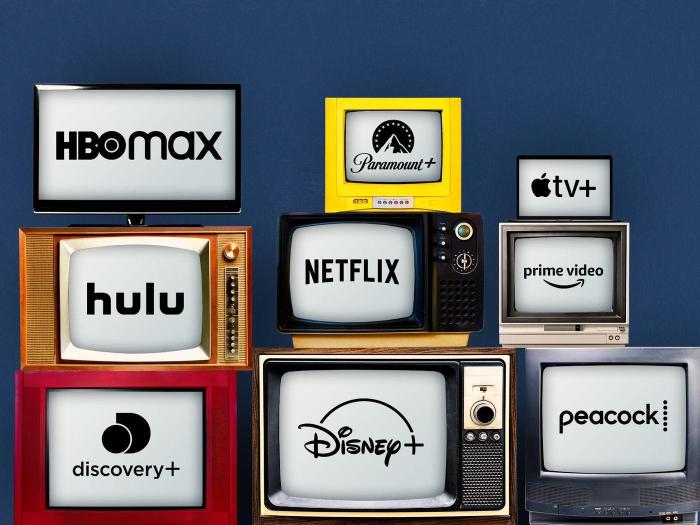
The streaming landscape is undergoing a rapid transformation, driven by technological advancements, evolving content creation models, and fierce competition. From the rise of immersive technologies like VR and AR to the increasing influence of AI in content personalization, the future of how we consume entertainment is being reshaped. This exploration delves into the key factors influencing this dynamic environment, examining the challenges and opportunities faced by both established giants and emerging players.
This analysis considers the impact of technological advancements such as 5G and improved video compression on streaming quality and accessibility, the evolving relationship between streaming services and traditional studios, and the implications of mergers and acquisitions on market competition. We will also explore innovative content distribution models, evolving subscription strategies, and the critical role of user experience and personalization in shaping the future of streaming.
Subscription Models and Monetization Strategies
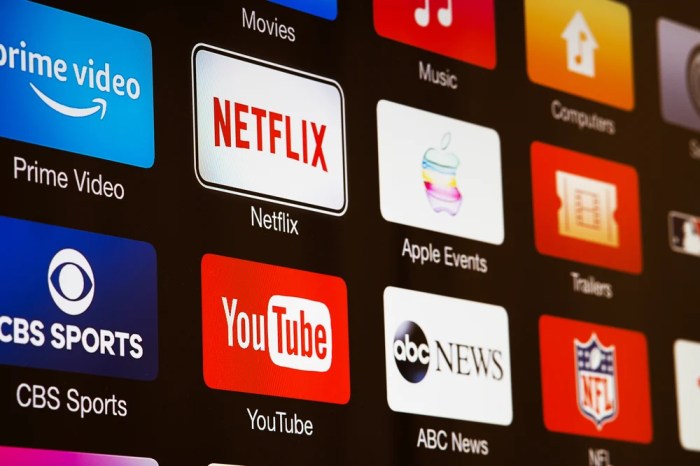
The success of streaming services hinges on a carefully crafted balance between attracting and retaining subscribers and generating sufficient revenue. This requires a nuanced understanding of various subscription models and a proactive approach to exploring new monetization avenues. The following sections delve into the complexities of this landscape, examining different subscription models, potential revenue streams, challenges in subscriber retention, and a hypothetical pricing strategy for a niche market.
Comparison of Subscription Models
Streaming services utilize diverse subscription models to cater to varying consumer preferences and budgets. The most prevalent models include ad-supported, premium (ad-free), and tiered subscriptions. Ad-supported models offer a lower price point, often free, in exchange for viewing advertisements. Premium subscriptions provide an ad-free experience at a higher cost. Tiered subscriptions offer various levels of service, with increasing price points corresponding to enhanced features like higher video quality, offline downloads, or simultaneous streams.
Netflix’s shift from a single-tiered model to a multi-tiered structure, introducing a cheaper, ad-supported plan, exemplifies the adaptability of these models to market demands and changing consumer behavior. Disney+, similarly, offers a basic ad-supported plan alongside its premium ad-free offering. The choice of model depends heavily on the service’s target audience, content library, and overall business strategy.
Potential New Revenue Streams
Beyond traditional subscription fees, streaming platforms are actively exploring new revenue streams to bolster profitability and diversify income sources. Live events, such as concerts or sporting events, offer a compelling opportunity to generate substantial revenue through pay-per-view or subscription add-ons. Interactive experiences, including interactive narratives or games integrated into the streaming platform, can enhance user engagement and provide additional revenue streams through in-app purchases or premium features.
The increasing popularity of live streaming of esports tournaments and concerts on platforms like Twitch and YouTube showcases the potential of this avenue. Furthermore, partnerships with brands for targeted advertising and sponsored content offer additional revenue generation possibilities.
Challenges of Subscriber Churn and User Engagement
Maintaining a high subscriber base and preventing churn is a critical challenge for streaming services. Factors contributing to churn include price increases, lack of compelling content, competition from rival platforms, and poor user experience. Strategies to mitigate churn involve offering personalized recommendations, improving user interface and navigation, investing in high-quality original content, and providing excellent customer support. To maintain user engagement, platforms must continuously update their content libraries, introduce new features, and personalize the viewing experience.
Netflix’s use of sophisticated algorithms to recommend shows and movies to individual users is a prime example of a strategy aimed at improving user engagement and reducing churn.
Hypothetical Pricing Strategy for a Niche Streaming Service
Consider a new streaming service specializing in independent documentaries focusing on environmental issues. This niche audience is likely to value high-quality content and a curated selection over a vast, unfocused library. A viable pricing strategy could involve a single premium tier at $7.99 per month, offering ad-free streaming of all documentaries in high definition. This price point balances affordability with the perceived value of specialized, high-quality content.
To incentivize early adoption, a limited-time introductory offer of $4.99 per month for the first three months could be implemented. This strategy focuses on delivering a premium experience to a targeted audience, recognizing their willingness to pay for specialized content.
The Future of User Experience and Personalization
The streaming landscape is rapidly evolving, driven by advancements in technology and a growing demand for personalized and engaging experiences. The future of streaming hinges on leveraging data, AI, and innovative design to create platforms that are not only intuitive and enjoyable but also accessible to a diverse user base. This necessitates a focus on user experience (UX) improvements that cater to individual preferences and needs.
AI and Machine Learning in Personalization
AI and machine learning are transforming how streaming services deliver content. These technologies analyze vast amounts of user data – viewing history, ratings, search queries, and even time spent watching specific scenes – to generate highly personalized recommendations. Algorithms go beyond simple genre matching, identifying nuanced preferences and predicting future viewing choices with increasing accuracy. For example, Netflix’s recommendation engine famously uses collaborative filtering to suggest shows similar to those enjoyed by users with similar viewing patterns.
This sophisticated approach moves beyond basic genre suggestions to offer a more intuitive and engaging experience, increasing user satisfaction and potentially reducing churn. Future iterations will likely incorporate more contextual factors, such as time of day or mood, to further refine recommendations.
Advancements in User Interface Design
Improved user interface (UI) design is crucial for enhancing the streaming experience. This involves simplifying navigation, creating visually appealing interfaces, and implementing intuitive controls. We can expect to see more personalized dashboards, customizable layouts, and seamless integration across multiple devices. Voice control and gesture-based interactions will also become more prevalent, making it easier to navigate and interact with the platform.
For example, Disney+’s kid-friendly interface with simplified navigation and large, easily selectable icons is a step in this direction. Further advancements could include AI-powered interface adjustments that adapt to individual user preferences and viewing habits, creating a truly tailored experience.
Accessibility Features for Users with Disabilities
Accessibility is no longer a niche concern; it’s a critical aspect of inclusive design. Future streaming services will prioritize features that cater to users with various disabilities. This includes providing high-quality closed captions and subtitles in multiple languages, audio descriptions for visually impaired users, and keyboard navigation for those with motor impairments. Moreover, advancements in AI-powered technologies could enable personalized accessibility adjustments, automatically optimizing the user interface based on individual needs.
For instance, a platform could automatically adjust font sizes, contrast levels, and audio settings based on a user’s declared visual or auditory impairments. Such features ensure that everyone can enjoy the benefits of streaming services.
Data Analytics for User Experience Improvement
Data analytics play a crucial role in optimizing user experience and engagement. By tracking user behavior, streaming platforms can identify areas for improvement. Analyzing data on user drop-off rates, navigation patterns, and content consumption helps identify friction points in the user journey. For example, if a significant number of users abandon a show after a particular episode, this data can point to issues with the show’s pacing or a problem with the platform’s interface.
This insight allows developers to make targeted changes to improve user retention and overall satisfaction. Furthermore, A/B testing different UI designs and recommendation algorithms allows for data-driven decisions, ensuring that improvements are demonstrably effective.
The future of streaming services promises a vibrant and diverse entertainment landscape, shaped by technological innovation, evolving content strategies, and a dynamic competitive environment. While challenges remain, particularly for smaller players navigating the complexities of market consolidation and subscriber retention, the potential for growth and innovation is immense. The industry’s focus on personalized experiences, enhanced user interfaces, and innovative monetization strategies will ultimately determine the winners and losers in this rapidly evolving ecosystem.
The continued embrace of technological advancements and a keen understanding of audience preferences will be crucial for success in this exciting and ever-changing field.
Q&A
What role will advertising play in the future of streaming?
Advertising is likely to play an increasingly significant role, particularly with the rise of ad-supported tiers and the need for diverse revenue streams. However, the balance between providing a high-quality viewing experience and acceptable advertising levels will be crucial.
How will streaming services address piracy?
Combating piracy will continue to be a major challenge. Strategies will likely involve improved anti-piracy technologies, stronger legal frameworks, and collaborative efforts across the industry.
What about the impact on employment in the entertainment industry?
The streaming revolution has already led to significant shifts in employment, with some roles disappearing and new ones emerging. The future will likely see a greater demand for specialists in areas like AI, data analytics, and user experience design.