Oscar-Winning Movies A Cinematic Legacy

Movies oscar winning award movie academy films winners hollywood romantic list awards winner won classic choose board 2011

The Academy Awards, or Oscars, represent the pinnacle of achievement in the film industry. Winning an Oscar signifies not only artistic merit but also a significant impact on a film’s financial success and lasting cultural relevance. This exploration delves into the world of Oscar-winning movies, examining their historical context, thematic trends, and lasting influence on cinema and society.

From groundbreaking technical achievements to powerful social commentary, Oscar-winning films have shaped cinematic history and continue to inspire filmmakers and audiences alike. We will investigate the criteria for winning, the impact of an Oscar win, and how these films reflect societal shifts across different eras. The analysis will cover various aspects, including the evolution of the awards themselves, the recurring themes and genres in winning films, and the impact on the careers of those involved.

Defining “Oscar-Winning Movie”

An Oscar-winning movie is a film that has received an Academy Award, presented annually by the Academy of Motion Picture Arts and Sciences (AMPAS). Eligibility criteria, encompassing factors like production budget, theatrical release, and submission deadlines, determine which films can compete. Awards are bestowed across numerous categories, recognizing achievements in areas such as Best Picture, Best Director, Best Actor, Best Actress, and many technical and artistic fields.The Academy Awards hold immense historical significance, shaping the film industry’s landscape and influencing cinematic trends for nearly a century.

The Oscars function as a powerful benchmark of artistic merit, driving public perception and shaping the careers of filmmakers and actors. The prestige associated with an Oscar win translates into increased box office revenue, critical acclaim, and lucrative opportunities for all involved in the production of a winning film. Their influence extends beyond the immediate financial benefits, profoundly impacting the direction and evolution of filmmaking techniques and storytelling.

Academy Awards: Historical Significance and Impact

The first Academy Awards ceremony took place in 1929, a relatively humble affair compared to the globally televised spectacle it has become. Initially, the Oscars focused primarily on recognizing technical achievements in filmmaking, reflecting the nascent stages of the industry. Over time, the emphasis broadened to include performances, directing, and screenwriting, acknowledging the multifaceted artistry of moviemaking. The Oscars’ impact on the film industry is multifaceted.

Winning an Oscar can dramatically boost a film’s popularity, leading to increased box office receipts and home video sales. Furthermore, the awards elevate the stature of actors, directors, and other creatives, attracting further opportunities and shaping future projects. The prestige associated with the awards has become a powerful marketing tool, with studios often using Oscar nominations and wins to promote their films.

Evolution of the Oscars: Categories, Eligibility, and Voting

The categories presented at the Academy Awards have expanded significantly since their inception. Early ceremonies focused primarily on technical aspects like cinematography and art direction. As the film industry evolved, so did the Oscars, incorporating categories for Best Picture, Best Director, Best Actor, and Best Actress, among others. The introduction of new categories reflects shifts in filmmaking trends and technological advancements.

For instance, the inclusion of categories for visual effects and animated films showcases the growing importance of these areas in modern cinema.Changes in eligibility rules have also shaped the Oscars’ trajectory. Initially, the rules were less stringent, leading to some controversies regarding which films qualified. Over time, the Academy has implemented stricter criteria to ensure fairness and transparency. This includes stipulations about theatrical release, minimum running time, and submission deadlines.

These evolving rules reflect the Academy’s attempts to adapt to the changing nature of film distribution and production. The voting procedures have also undergone changes. The Academy’s membership has grown considerably, leading to a more diverse and representative voting body. However, the voting process has also faced criticism, particularly regarding issues of diversity and potential biases.

The Academy has implemented reforms aimed at increasing transparency and inclusivity in the voting process. These continuous adjustments reflect the ongoing effort to maintain the integrity and relevance of the awards in a constantly evolving cinematic landscape.

Impact of Oscar Wins on Film

An Oscar win, particularly a Best Picture win, significantly impacts a film’s trajectory, influencing its financial success, critical reception, and lasting cultural relevance. The coveted gold statuette acts as a powerful endorsement, amplifying the film’s visibility and attracting a wider audience than might otherwise be the case. This heightened exposure translates into tangible benefits, both immediately and over the long term.The impact of an Oscar win extends beyond mere box office receipts.

While a win can certainly lead to a post-awards bump in ticket sales, its true value often lies in its effect on the film’s legacy. An Oscar-winning film often becomes a staple of cinematic discussions and retrospectives, securing its place in film history and influencing future generations of filmmakers. The award’s prestige helps to solidify the film’s reputation, ensuring its continued appreciation and study long after its initial release.

Box Office Performance and Long-Term Legacy

Oscar wins demonstrably boost a film’s box office performance, although the extent varies depending on the film’s genre, pre-existing popularity, and marketing strategy. For example, “The Lord of the Rings: The Return of the King” (2003), already a critical and commercial success, saw a significant post-Oscar bump in ticket sales, solidifying its position as a box office juggernaut. Conversely, some films, even with an Oscar win, might not experience a dramatic box office surge, as their initial release might not have attracted a wide enough audience.

However, the long-term impact is undeniable. The Academy Award acts as a powerful endorsement, increasing the film’s visibility on streaming platforms, home video sales, and television broadcasts, thereby ensuring its continued engagement with audiences for years to come. The enduring legacy of films like “Casablanca” (1942) and “Citizen Kane” (1941), both critically acclaimed and Oscar-winning, showcases the lasting impact of Academy recognition.

Marketing Strategies for Oscar-Nominated and Oscar-Winning Films

Studios employ distinct marketing strategies for Oscar-nominated and Oscar-winning films. Nominations generate initial buzz, leading to targeted campaigns emphasizing the film’s critical acclaim and highlighting its contenders in various categories. However, an Oscar win transforms the marketing approach. Studios capitalize on the prestige of the award, using the statuette itself prominently in promotional materials. This shift emphasizes the film’s achievement and positions it as a cultural landmark.

The marketing becomes less focused on plot details and more on celebrating the film’s accolades and highlighting its place in cinematic history. For instance, the post-Oscar marketing for “Moonlight” (2016) emphasized its groundbreaking story and its significance as a Best Picture winner, focusing on its artistic merit rather than simply its plot summary.

Impact on Filmmaker Careers

An Oscar win can dramatically propel the careers of actors, directors, and other filmmakers. Winning an Oscar significantly increases an actor’s marketability, leading to higher salaries and more prominent roles. Directors often see increased opportunities to helm bigger-budget projects and gain more creative control. For example, Kathryn Bigelow’s Best Director win for “The Hurt Locker” (2008) established her as a leading figure in Hollywood, opening doors to subsequent high-profile projects.

Similarly, the Best Actor win for Daniel Day-Lewis for “There Will Be Blood” (2007) solidified his reputation as one of the greatest actors of his generation, attracting more challenging and rewarding roles. Beyond actors and directors, screenwriters, cinematographers, and other crew members also benefit from the heightened prestige associated with an Oscar-winning film, enhancing their reputation and future career prospects.

Themes and Genres of Oscar-Winning Movies

The Academy Awards, or Oscars, have a long history of recognizing cinematic excellence. Analyzing the themes and genres prevalent in these award-winning films reveals fascinating trends reflecting societal shifts, artistic innovations, and enduring human experiences. While individual films defy easy categorization, recurring patterns emerge across different decades, showcasing the evolution of storytelling and the enduring power of certain narrative structures.The following table illustrates the diverse genres and recurring themes found in Oscar-winning films across various decades.

It is important to note that many films blend genres and explore multiple themes simultaneously; this table offers a simplified overview to highlight prominent trends.

Recurring Themes and Genres in Oscar-Winning Films

Decade Genre Theme Example Film
1930s Romantic Drama, Musical Love, Loss, Social Class Gone with the Wind
1940s War Drama, Film Noir Sacrifice, Morality, Post-War Trauma Casablanca
1950s Drama, Western Individualism, Conformity, Social Change On the Waterfront
1960s Drama, Crime Social Justice, Civil Rights, Moral Ambiguity In the Heat of the Night
1970s Drama, Thriller Paranoia, Political Intrigue, Corruption The Godfather
1980s Romantic Comedy, Drama Family Relationships, Personal Growth, Redemption Kramer vs Kramer
1990s Drama, Historical Drama Identity, Memory, Historical Trauma Schindler’s List
2000s Drama, Biographical Drama Resilience, Perseverance, Social Issues Million Dollar Baby
2010s Drama, Independent Film Social Inequality, Environmental Concerns, Human Connection 12 Years a Slave
2020s Drama, Sci-Fi Technological Advancements, Existentialism, Climate Change Nomadland

The Enduring Theme of Resilience

The theme of resilience, the capacity to recover quickly from difficulties, appears repeatedly in Oscar-winning films across various decades and genres. This theme manifests in different ways, reflecting the specific challenges faced by characters in their respective historical contexts. For example, Schindler’s List (1993) depicts the resilience of Jewish people facing the horrors of the Holocaust, while 12 Years a Slave (2013) showcases the incredible strength of Solomon Northup in the face of unimaginable brutality.

More recently, Nomadland (2020) portrays the resilience of individuals navigating economic hardship and finding community amidst personal challenges. The consistent presence of this theme suggests a deep-seated human fascination with the capacity for strength and survival in the face of adversity, a universal narrative that resonates with audiences across cultures and time periods. The depiction of resilience often serves as a source of both inspiration and empathy, highlighting the human spirit’s ability to endure and overcome even the most difficult circumstances.

Oscar-Winning Performances

The Academy Awards, or Oscars, celebrate excellence in filmmaking, and the acting categories are arguably the most highly anticipated. Analyzing Oscar-winning performances reveals not only the skill of the actors but also the evolving tastes and expectations of the Academy and the broader cinematic landscape. This examination explores the stylistic shifts across different eras, highlights iconic performances and their lasting impact, and details the criteria used for judging acting, showing how these criteria have themselves changed over time.

Evolution of Acting Styles in Oscar-Winning Performances

The style of acting rewarded by the Academy has shifted dramatically throughout its history. Early winners, often from the silent era and the early talkies, tended towards a more theatrical, larger-than-life style. Think of the melodramatic performances common in films of the 1930s and 40s. This style emphasized clear articulation, expressive gestures, and strong emotional displays. As filmmaking evolved, so too did the ideal of a compelling performance.

Method acting, gaining prominence in the mid-20th century, championed a more naturalistic and emotionally raw approach. Actors immersed themselves in their roles, often employing personal experiences and intense emotional preparation. This shift is evident in the performances of actors like Marlon Brando and Robert De Niro, whose understated intensity contrasted sharply with the earlier, more flamboyant styles. More recently, a greater emphasis on nuanced and subtle performances has emerged, with actors demonstrating exceptional range and ability to convey complex emotions with minimal overt display.

This modern style reflects a more sophisticated understanding of cinematic storytelling, where less can often be more impactful.

Iconic Oscar-Winning Performances and Their Lasting Impact

Several Oscar-winning performances have transcended their respective films, leaving an indelible mark on cinematic history. Marlon Brando’s portrayal of Stanley Kowalski in

  • A Streetcar Named Desire* (1951) is a prime example of the raw power of Method acting, establishing a new benchmark for on-screen intensity and realism. Similarly, Katharine Hepburn’s performances, spanning several decades and winning four Oscars, showcased her remarkable versatility and redefined what a strong female character could be on screen. Her portrayal of Tracy Lord in
  • The Philadelphia Story* (1940) remains a testament to her impeccable comedic timing and effortless charm. More recently, Meryl Streep’s extensive body of work, marked by numerous Oscar nominations and wins, exemplifies the capacity for transformative acting, consistently demonstrating remarkable depth and emotional range across a wide variety of roles. Her performance in
  • Sophie’s Choice* (1982) is particularly powerful, showcasing the complexities of trauma and grief. These performances, among many others, have not only won awards but have also influenced subsequent generations of actors and filmmakers, shaping the very landscape of acting on screen.

Academy Judging Criteria for Acting Performances: Evolution Over Time

The Academy’s criteria for judging acting performances are not explicitly codified, but rather evolve implicitly based on the prevailing cinematic trends and the preferences of the voters. Early awards often favored performers who exhibited strong stage presence and dramatic flair, reflecting the influence of theater on early cinema. As film developed its own unique language, the emphasis shifted towards a more nuanced understanding of screen acting, rewarding performers who could effectively convey emotion and character development within the constraints of the medium.

The rise of Method acting significantly impacted the judging criteria, with a greater appreciation for naturalism and emotional depth. Today, the Academy seems to value a combination of technical skill, emotional authenticity, and the actor’s ability to create a compelling and memorable character. However, the subjectivity of artistic judgment remains a significant factor, ensuring that the choices reflect the current cultural and aesthetic sensibilities of the Academy’s membership.

The ever-shifting nature of the judging criteria underscores the dynamic relationship between acting, filmmaking, and the ever-evolving standards of cinematic excellence.

Technical Achievements in Oscar-Winning Films

The Academy Awards, often reflecting the broader cinematic landscape, consistently celebrate technical prowess alongside artistic merit. Many Oscar-winning films showcase groundbreaking innovations in cinematography, sound design, visual effects, and editing, pushing the boundaries of what’s possible and influencing future filmmaking techniques. These achievements aren’t merely technical feats; they are integral to the films’ storytelling and emotional impact, often becoming defining characteristics of their legacies.The impact of these technical achievements extends beyond the individual films themselves.

They inspire and inform subsequent generations of filmmakers, leading to the development of new technologies and creative approaches. The evolution of visual effects, for instance, is directly linked to the innovations showcased in Oscar-winning films, constantly raising the bar for realism and visual spectacle.

Groundbreaking Cinematography

Cinematography, the art of visual storytelling through camera work, lighting, and framing, frequently earns Oscar recognition. Films like “1917” (2019), with its innovative long-take sequences creating a sense of immersive realism, exemplify this. The seemingly unbroken shots, achieved through meticulous planning and camera movement, were a significant technical accomplishment and a major factor in the film’s success. Similarly, the use of innovative lighting techniques in films like “Blade Runner 2049” (2017) created a visually stunning and atmospheric world, influencing the look and feel of many science fiction films that followed.

The deep, rich colors and use of shadows contributed significantly to the film’s neo-noir aesthetic.

Revolutionary Sound Design

Sound design, often overlooked, plays a crucial role in shaping the audience’s experience. Oscar-winning films consistently demonstrate mastery in this area, using sound to enhance emotion, create tension, and immerse viewers in the world of the film. “Mad Max: Fury Road” (2015), for example, received accolades for its visceral and powerful sound design, where the cacophony of the post-apocalyptic landscape became an integral part of the storytelling.

The precise layering of engine roars, explosions, and the characters’ grunts and shouts created an unforgettable auditory experience. This innovative approach influenced many action films that subsequently prioritized a more immersive and impactful soundscape.

Pioneering Visual Effects

Visual effects (VFX) have become increasingly sophisticated, and Oscar-winning films often push the boundaries of what’s possible. “Avatar” (2009), a groundbreaking achievement in its time, revolutionized motion capture technology and created a visually stunning and believable alien world. The film’s influence on the VFX industry is undeniable, paving the way for more realistic and immersive digital environments in subsequent films.

Similarly, “The Lord of the Rings: The Return of the King” (2003) demonstrated the power of VFX to bring fantasy worlds to life, influencing the standards for digital creature creation and large-scale battle sequences. These achievements have significantly advanced the tools and techniques available to filmmakers today.

The Oscars and Social Commentary

Winning before gamesradar

The Academy Awards, while often perceived as a celebration of cinematic artistry, have also served as a significant platform for reflecting and, at times, influencing social and political discourse. Oscar-winning films frequently grapple with pressing societal issues, prompting conversations and, in some cases, even catalyzing social change. The films chosen to receive recognition often reflect the prevailing societal concerns of their time, offering a window into the evolving values and anxieties of different eras.The impact of Oscar-winning films on social and political discourse is multifaceted.

These films can raise awareness about critical issues, challenge ingrained biases, and inspire empathy and action among viewers. The prestige associated with an Oscar win can amplify the message of a film, ensuring its reach extends beyond the typical cinematic audience. However, it’s crucial to acknowledge that the Oscars themselves have faced criticism regarding their representation of diverse voices and perspectives, a point that will be explored further.

Oscar-Winning Films Addressing Significant Social Issues

Many Oscar-winning films have directly engaged with significant social issues, leaving an undeniable mark on public consciousness. These films often function as powerful tools for social commentary, sparking crucial conversations and challenging the status quo. Their impact is not limited to immediate public reaction; they often become part of the cultural conversation for years, even decades, to come, shaping how we understand and discuss certain social problems.

  • Schindler’s List (1993): This powerful historical drama depicted the horrors of the Holocaust, bringing the atrocities to a wider audience and fostering a renewed commitment to Holocaust remembrance and education. The film’s stark imagery and emotionally resonant storytelling created a lasting impact, prompting renewed discussions about genocide and the importance of preventing such horrors from ever happening again.

  • 12 Years a Slave (2013): This unflinching portrayal of slavery in the United States sparked vital conversations about the enduring legacy of slavery and its continued impact on American society. The film’s brutal honesty challenged viewers to confront the uncomfortable realities of the past and its relevance to the present.
  • Moonlight (2016): This film’s sensitive depiction of a young, gay, African-American man’s journey to self-discovery brought much-needed representation to the LGBTQ+ community and sparked important conversations about identity, sexuality, and masculinity.
  • Parasite (2019): This South Korean thriller offered a sharp critique of class inequality and social stratification, resonating with audiences worldwide who grapple with similar issues. The film’s success transcended language barriers, highlighting the universality of socio-economic disparities.

Representation of Diverse Groups and Perspectives in Oscar-Winning Films Across Time

The representation of diverse groups and perspectives in Oscar-winning films has evolved significantly over time, although it has not been without its shortcomings. Early Oscar winners often reflected the dominant cultural narratives of their time, frequently lacking in diversity and inclusivity. However, recent years have witnessed a growing awareness of the need for greater representation, leading to an increase in films featuring diverse casts and storylines.While progress has been made, challenges remain.

For example, the underrepresentation of women and people of color both in front of and behind the camera continues to be a significant concern. The Academy Awards themselves have faced criticism for their historical lack of diversity, leading to efforts to increase inclusivity within the Academy membership and the films it chooses to recognize. Analyzing the trends across different decades reveals a gradual but uneven shift towards greater inclusivity, highlighting the ongoing struggle for equitable representation in the film industry.

The ongoing discussion surrounding diversity and inclusion within the Oscars remains a crucial aspect of the awards’ broader social and cultural significance.

Movies and Television

Movies oscar winning award movie academy films winners hollywood romantic list awards winner won classic choose board 2011

The lines between film and television have blurred considerably in recent years, particularly with the rise of streaming services. While traditionally distinct in their production values, storytelling approaches, and target audiences, the two mediums are now increasingly converging, leading to a fascinating re-evaluation of what constitutes cinematic excellence. This convergence necessitates a comparison of their respective strengths and weaknesses, especially in the context of award recognition.Production values, storytelling techniques, and target audiences differ significantly, yet overlap increasingly.

Oscar-winning films often boast larger budgets, allowing for elaborate sets, extensive special effects, and A-list casts. Critically acclaimed television series, however, have increasingly matched – and in some cases surpassed – these production values, particularly those with substantial streaming service backing. Narrative structures also differ; films generally tell self-contained stories, whereas television often employs serialized narratives unfolding across multiple seasons.

Target audiences, too, are evolving; while films traditionally aim for broad appeal, television series often cater to more niche audiences, fostering strong viewer loyalty and engagement.

Production Values and Budgetary Considerations

The disparity in budget between feature films and television series significantly impacts production values. High-budget films, like “Avatar” or “The Lord of the Rings” trilogy, can afford extensive pre-production, elaborate sets, and cutting-edge special effects. This allows for a level of visual spectacle rarely seen on television, even in high-budget productions. However, the increasing budgets of prestige television series, such as “Game of Thrones” or “The Crown,” have narrowed this gap considerably.

These series can leverage their longer run times to create visually stunning worlds and complex character arcs, blurring the lines between the cinematic and the televised. Streaming services, with their vast budgets and global reach, have further fueled this convergence.

Storytelling Techniques and Narrative Structures

Traditional filmmaking often favors a three-act structure with a clear beginning, middle, and end. Television series, conversely, can embrace serialized storytelling, allowing for complex character development and intricate plotlines that unfold over multiple seasons. This allows for greater depth and nuance in character arcs, as seen in shows like “Breaking Bad” or “The Wire.” However, recent Oscar-winning films have also experimented with more complex, multi-layered narratives, suggesting a growing cross-pollination of storytelling techniques between the two mediums.

The success of miniseries, such as “Chernobyl,” further blurs these lines, showcasing the cinematic potential of episodic storytelling.

Target Audiences and Viewership

Historically, feature films aimed for a broader audience, while television catered to specific demographics. However, the rise of streaming services has broadened the reach of television shows, attracting diverse and global audiences. The success of shows like “Squid Game” demonstrates the ability of television to transcend cultural and linguistic barriers, achieving global viewership comparable to major blockbuster films.

Furthermore, the subscription model of streaming services fosters a loyal and engaged audience, unlike the more transient viewership of traditional film releases. This shift has led to a re-evaluation of the traditional definition of “mass appeal,” with television series now capable of achieving widespread recognition and critical acclaim.

The Impact of Streaming Services on Award Recognition

Streaming services have profoundly reshaped the landscape of film and television, influencing award recognition significantly. The increased production values and narrative complexity of streaming shows have led to greater recognition at award ceremonies like the Emmys, often competing with – and sometimes surpassing – the achievements of feature films. The expansion of eligibility criteria for awards to include streaming content has further blurred the lines between film and television, creating a more integrated and competitive awards landscape.

The success of shows like “Ted Lasso” and “The Crown” in winning prestigious awards highlights this shift, challenging traditional notions of cinematic excellence.

Criteria for Judging Excellence in Film Versus Television

While both film and television strive for artistic merit, the criteria for judging excellence differ subtly. Film often emphasizes visual spectacle, narrative economy, and impact within a contained timeframe. Television, however, often prioritizes character development, sustained narrative engagement across multiple episodes, and the exploration of complex themes over a longer duration. However, these distinctions are increasingly fluid, as both mediums adopt and adapt techniques from each other.

The overlapping criteria in judging excellence, as reflected in award nominations and wins, further emphasizes the growing convergence between film and television.

The legacy of Oscar-winning movies extends far beyond the awards ceremony itself. These films serve as a reflection of their time, showcasing both the artistic brilliance and the social and political climate of each era. By studying these cinematic achievements, we gain a deeper understanding of the evolution of filmmaking, the power of storytelling, and the enduring impact of art on society.

Their continued influence on subsequent films and filmmakers underscores their lasting importance in the history of cinema.

Helpful Answers

What is the significance of a Best Director Oscar win?

A Best Director Oscar win signifies exceptional directorial vision and skill, often boosting a director’s career and future projects significantly. It’s a mark of prestige and recognition within the industry.

How are Oscar winners chosen?

Academy members (working professionals in the film industry) vote to nominate and select the winners in each category. The voting process is confidential and multi-stage.

Are there any controversies surrounding the Oscars?

Yes, throughout history, there have been debates about the nominations and winners, particularly concerning diversity and representation within the industry and the awards themselves. This has led to ongoing discussions about the Academy’s selection process and its inclusivity.

Do Oscar wins guarantee future success?

While an Oscar win significantly increases a film’s profile and can lead to greater financial success, it doesn’t guarantee future box office triumphs or critical acclaim. Many factors contribute to a film’s overall performance.

Best Movie Directors A Critical Exploration

Directors sidney lumet greatest

The question of who constitutes the “best” movie directors is inherently subjective, a fascinating debate fueled by diverse criteria and passionate opinions. Box office success, critical acclaim, artistic innovation, and cultural impact all contribute to a director’s legacy, making any definitive ranking an impossible task. This exploration delves into the multifaceted nature of directorial excellence, examining genre mastery, stylistic techniques, and lasting influence on cinema and popular culture.

We will explore how genre specialization shapes a director’s reputation, contrasting the approaches needed for horror, comedy, action, and drama. We’ll analyze the visual styles of renowned directors, dissecting their unique techniques and the emotional impact they create. Furthermore, we’ll consider the evolution of a director’s style over time, examining the factors that contribute to such changes. Finally, we’ll compare and contrast the demands of directing feature films versus television series, highlighting the successful transitions of some notable directors.

Defining “Best”

Determining the “best” movie directors is inherently subjective, a complex task fraught with challenges. There’s no single, universally accepted metric for evaluating their work, unlike, say, a track and field event with clearly defined winning criteria. The very notion of “best” is shaped by individual preferences, cultural backgrounds, and evolving cinematic trends. Attempting an objective ranking is akin to comparing apples and oranges – each director brings a unique style, vision, and impact to the art form.

Subjective Criteria in Film Direction

Evaluating directors necessitates considering diverse criteria, each carrying different weight depending on the evaluator’s perspective. Box office success, while indicating audience appeal, doesn’t necessarily equate to artistic merit. A film might be a commercial blockbuster yet receive lukewarm critical reviews. Conversely, a critically acclaimed film might have a limited theatrical release, achieving recognition primarily through festivals and home video.

Artistic innovation, another key factor, focuses on a director’s unique cinematic language – their use of visual storytelling, experimental techniques, and thematic exploration. This might involve pioneering new styles of cinematography, pushing narrative boundaries, or utilizing groundbreaking special effects. Cultural impact considers the lasting influence of a director’s work on society, popular culture, and subsequent filmmakers. A director’s films might spark conversations about important social issues, inspire new artistic movements, or simply leave an indelible mark on the collective cinematic consciousness.

Hypothetical Ranking System

A hypothetical ranking system attempting to incorporate these diverse, subjective elements could look like this: It’s crucial to remember that the weighting assigned to each criterion is debatable and would vary depending on the specific goals of the ranking.

Criterion Weighting Measurement Method Example Director
Box Office Success 15% Total worldwide gross revenue adjusted for inflation Steven Spielberg
Critical Acclaim 25% Average score across major film review aggregators (e.g., Rotten Tomatoes, Metacritic) Quentin Tarantino
Artistic Innovation 30% Expert panel assessment based on originality, stylistic influence, and technical achievements Stanley Kubrick
Cultural Impact 30% Analysis of the film’s influence on subsequent filmmaking, popular culture, and societal discourse Ingmar Bergman

Genre Specialization and Mastery

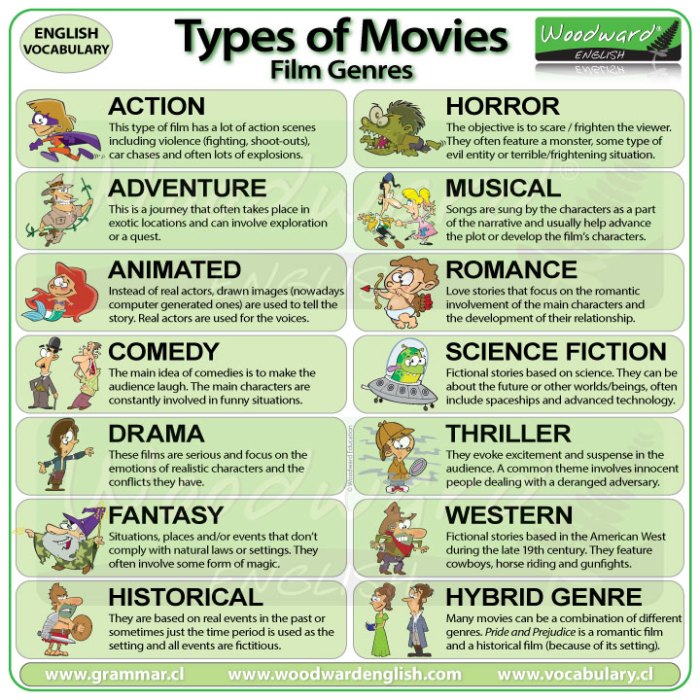
Genre specialization significantly impacts a director’s reputation, often leading to a recognizable style and devoted fanbase. While some directors successfully traverse multiple genres, others cultivate a deep understanding and mastery within a single area, becoming synonymous with a particular cinematic experience. The challenges and stylistic approaches differ vastly across genres; for example, the suspenseful pacing and atmospheric tension required for horror differ dramatically from the fast-paced action sequences and visual spectacle of action films, or the nuanced character development and emotional depth of a drama.Genre specialization allows directors to refine their craft and develop a unique visual language, thematic concerns, and narrative strategies.

This focused approach allows for a deeper exploration of the genre’s conventions and limitations, often resulting in innovative and groundbreaking works that redefine the genre’s boundaries. The director’s individual style is then deeply intertwined with the genre itself, creating a cohesive and recognizable body of work.

Directorial Style within a Genre

Building a unique style within a chosen genre involves several key elements. A director might employ specific visual techniques, such as distinctive camera angles, lighting styles, or editing rhythms. They might also develop recurring thematic concerns or character archetypes that resonate throughout their films. Consider Alfred Hitchcock’s use of suspense and his mastery of visual storytelling, consistently employing innovative camera techniques and editing to create psychological tension in his thrillers.

His films are immediately recognizable for their distinctive style, even across decades. Similarly, Wes Anderson’s use of symmetrical compositions, pastel color palettes, and whimsical narratives has created a highly recognizable visual style within the comedy-drama genre.

Mastery in Specific Genres

Three directors renowned for their mastery within specific genres are Alfred Hitchcock (Thriller/Suspense), Quentin Tarantino (Crime/Action), and Hayao Miyazaki (Animated).Alfred Hitchcock’s contributions to the thriller and suspense genres are immeasurable. His innovative use of camera angles, editing, and suspenseful pacing revolutionized the genre. Films like

  • Psycho* and
  • Rear Window* remain influential examples of how to build tension and create unforgettable cinematic moments. His consistent focus on psychological manipulation and the exploration of human darkness cemented his status as a master of the genre.

Quentin Tarantino’s distinctive style within the crime and action genres is defined by his nonlinear narratives, stylized violence, and sharp, witty dialogue. His films, such as

  • Pulp Fiction* and
  • Reservoir Dogs*, showcase his mastery of creating complex characters and crafting unforgettable scenes, while simultaneously pushing the boundaries of genre conventions. His unique blend of violence, humor, and homage to classic cinema has established a highly recognizable and influential style.

Hayao Miyazaki’s profound influence on the animated film genre is undeniable. His visually stunning films, such as

  • Spirited Away* and
  • Princess Mononoke*, are characterized by their breathtaking animation, intricate world-building, and deeply moving stories. Miyazaki’s focus on environmental themes, strong female characters, and explorations of human nature has established him as a true visionary within animation, inspiring countless filmmakers and artists.

Directorial Styles and Techniques

A film’s impact extends far beyond its narrative; it’s deeply intertwined with the director’s artistic vision, manifested through their unique style and technical choices. These choices, from shot composition to editing pace, shape the audience’s emotional response and understanding of the story. Examining the distinct approaches of several prominent directors illuminates the powerful influence of visual storytelling.

Visual Style Comparisons: Three Distinct Approaches

The visual styles of Wes Anderson, Quentin Tarantino, and Christopher Nolan offer compelling contrasts. Anderson’s films are characterized by their meticulously symmetrical compositions, pastel color palettes, and a distinct sense of whimsical artificiality. Think of the perfectly balanced shots and deliberately stylized sets in “The Grand Budapest Hotel.” In stark contrast, Tarantino’s work is marked by its vibrant, often hyper-saturated colors, dynamic camera movements, and a deliberate embrace of violence and stylized exaggeration, evident in the long takes and jarring edits of “Reservoir Dogs.” Nolan, on the other hand, frequently employs practical effects and IMAX filming to create a sense of immersive realism and grand scale, as seen in the breathtaking visuals of “Interstellar.” Each director constructs a unique visual language that profoundly impacts the film’s atmosphere and thematic resonance.

Directorial Techniques and Their Impact

Specific directorial techniques play a crucial role in shaping the audience’s experience. Shot composition, for example, can manipulate perspective and emotional engagement. A low-angle shot can make a character appear powerful, while a high-angle shot might convey vulnerability. Editing pace influences the film’s rhythm and intensity. Rapid cuts create a sense of urgency, whereas slower, more deliberate cuts can build suspense or evoke contemplation.

The use of music is equally significant; a soaring orchestral score can amplify emotional intensity, while a minimalist soundtrack can enhance realism or create a sense of unease. Consider the use of diegetic and non-diegetic sound in Hitchcock’s films to create suspense, or the contrasting musical scores used in films like “The Godfather” and “Pulp Fiction” to underscore different moods and themes.

Camera Angles and Emotional Effects in the Work of Alfred Hitchcock

Alfred Hitchcock masterfully utilized camera angles to manipulate audience perception and evoke specific emotional responses. A common technique was the point-of-view shot, placing the viewer directly into the protagonist’s perspective, creating a visceral sense of involvement and heightened suspense. Conversely, he frequently employed high-angle shots to portray characters as vulnerable or insignificant, while low-angle shots emphasized power and dominance.

For instance, in “Psycho,” the high-angle shot of Marion Crane in the shower scene intensifies the vulnerability and impending doom, whereas the low-angle shot of Norman Bates often emphasizes his menacing presence and control. The following textual representation illustrates some of Hitchcock’s common camera angles and their associated emotional effects:

Camera Angle Emotional Effect Example in Hitchcock’s Films
High Angle Vulnerability, insignificance, weakness Marion Crane in the shower (Psycho)
Low Angle Power, dominance, menace Norman Bates (Psycho)
Eye-Level Objectivity, neutrality Many conversational scenes
Point-of-View Immersion, suspense, empathy Various scenes in “Rear Window”

Impact on Cinema and Popular Culture

Directors spielberg

The influence of great film directors extends far beyond the silver screen; their work shapes cinematic techniques, inspires subsequent generations, and even permeates broader cultural trends. Their creative visions leave indelible marks, impacting how we perceive storytelling, visual aesthetics, and even our understanding of the world. This impact is multifaceted, ranging from the technical innovations they pioneer to the cultural dialogues they spark.The lasting impact of influential directors is evident in the evolution of filmmaking itself.

Their innovations in narrative structure, cinematography, and editing become adopted and adapted, shaping the very language of cinema. Furthermore, their distinct styles and thematic concerns often inspire countless imitators and reinterpretations, creating entire cinematic movements and subgenres. This ripple effect continues through generations, influencing not only aspiring filmmakers but also the audiences who engage with their work.

Alfred Hitchcock’s Enduring Legacy

Alfred Hitchcock’s mastery of suspense and his innovative use of cinematic techniques remain cornerstones of filmmaking. His contributions, such as the use of point-of-view shots to heighten suspense and the creation of iconic visual motifs, are still actively employed and analyzed in film schools worldwide. His films, like

  • Psycho* and
  • Vertigo*, continue to be celebrated and studied for their groundbreaking narrative structures and psychological depth. Hitchcock’s impact transcends mere technique; his films have permeated popular culture, shaping our understanding of suspense, thriller narratives, and the very nature of cinematic storytelling. His name itself is synonymous with suspense, a testament to his enduring legacy.

The Cultural Impact of Stanley Kubrick

Stanley Kubrick’s visionary filmmaking transcended the boundaries of cinema, influencing art, music, and even fashion. His films, such as

2001

A Space Odyssey* andA Clockwork Orange*, are characterized by their groundbreaking visual effects, innovative cinematography, and exploration of complex philosophical themes.

  • 2001

    A Space Odyssey*’s visual style, particularly its use of stark imagery and futuristic design, significantly influenced science fiction filmmaking and design aesthetics in subsequent decades. The film’s soundtrack, featuring classical music pieces, elevated the use of music in film to a new level of artistic expression. Similarly,

  • A Clockwork Orange*’s distinct visual style and unsettling themes continue to be referenced and analyzed in academic circles and beyond.

Quentin Tarantino’s Influence on Genre and Style

Quentin Tarantino’s impact on contemporary cinema is undeniable. His distinctive style, characterized by nonlinear storytelling, stylized violence, and witty dialogue, has influenced countless filmmakers. His films often feature homages to classic genre films, reimagining and revitalizing tropes from genres such as Westerns, crime thrillers, and martial arts films. This blending of genres and styles, coupled with his distinctive visual flair and memorable dialogue, has created a unique cinematic voice that has become highly influential.

The use of long takes, non-linear narratives, and stylistic violence in many modern films can be traced back to Tarantino’s influence. His films have also become cultural touchstones, inspiring countless imitations and discussions about genre filmmaking and narrative techniques.

Movies and Television

Directors sidney lumet greatest

The transition of acclaimed directors between the cinematic and television realms offers a fascinating case study in adapting storytelling techniques to different mediums. Feature films and television series, while both employing visual storytelling, present distinct challenges and opportunities for directors, demanding unique approaches to narrative structure, pacing, and overall aesthetic. This comparative analysis explores these differences and examines how successful directors have navigated this shift.The fundamental difference lies in the narrative scope and pacing.

Feature films typically tell a self-contained story within a defined timeframe, often aiming for a singular, impactful emotional arc. Television series, on the other hand, unfold over multiple episodes and seasons, allowing for complex character development, intricate plots, and a more gradual narrative progression. This difference necessitates varying directorial approaches. Film directors often prioritize visual spectacle and impactful single moments, whereas television directors must maintain a consistent tone and narrative momentum across numerous episodes, often collaborating with multiple directors and writers.

Directing Styles and Challenges in Film versus Television

Film directing often focuses on crafting a singular, cohesive vision within a relatively short timeframe. The director has greater control over all aspects of the production, from pre-production to post-production. This allows for a more meticulous attention to detail and a unified artistic style. Television directing, however, necessitates a more collaborative and flexible approach. Directors often work within established frameworks, sharing responsibilities with other directors, showrunners, and writers, often having less control over individual episodes.

The episodic nature demands consistency in tone and style across multiple episodes, potentially directed by different individuals. This collaborative nature requires a different skillset, emphasizing communication and adaptability.

Narrative Structures and Pacing

Feature films typically employ a three-act structure, building tension towards a climax and resolution. Pacing is often deliberate, building suspense and emotional impact through carefully chosen shots and sequences. Television series, however, often employ serialized narratives, weaving interconnected storylines across multiple episodes. Pacing is more varied, incorporating slower-burn character development alongside moments of high tension. The episodic format allows for greater exploration of subplots and character arcs, which might feel rushed or underdeveloped in a feature film’s limited runtime.

The director’s task is to balance these elements, maintaining audience engagement over extended periods.

Directors Who Successfully Transitioned Between Film and Television

Several notable directors have successfully navigated the transition between film and television, adapting their styles to suit the different mediums. For instance, David Fincher, known for his meticulous style in films like

  • Se7en* and
  • Fight Club*, maintained his signature dark aesthetic and suspenseful pacing in the television series
  • House of Cards*, demonstrating his adaptability. Similarly, Ryan Murphy, known for his work on television series such as
  • Glee* and
  • American Horror Story*, successfully transitioned to film with
  • The Prom*, demonstrating a command of both episodic storytelling and the constraints of a feature film narrative. These examples showcase the versatility of skilled directors who can successfully translate their creative vision across different platforms.

The Evolution of a Director’s Style

A director’s stylistic evolution is a fascinating aspect of cinematic history, often reflecting both personal growth and the changing landscape of filmmaking. Analyzing this evolution reveals not only the director’s artistic journey but also the broader influences shaping the art form. This examination will focus on Christopher Nolan, a director whose career showcases a compelling trajectory from relatively low-budget, independent filmmaking to large-scale, visually stunning blockbusters.

Nolan’s stylistic development is a compelling study in the interplay between technological advancements, narrative ambition, and the evolving expectations of audiences. His early films demonstrated a mastery of suspense and atmosphere achieved through clever editing and sound design, while his later works expanded upon this foundation, incorporating increasingly complex visual effects and ambitious, non-linear storytelling techniques. This evolution is not a simple progression, but rather a dynamic process of experimentation and refinement, showcasing the director’s continuous exploration of cinematic language.

Christopher Nolan’s Stylistic Shifts Across His Filmography

The following chronological overview details the significant stylistic shifts evident in Nolan’s filmography. Each phase reflects a distinct approach to narrative structure, visual aesthetics, and thematic concerns.

  • Early Works (1998-2005): Following, Memento, Insomnia, Batman Begins: This period showcases Nolan’s early mastery of suspense and low-budget filmmaking. Following, a neo-noir thriller shot on a shoestring budget, demonstrates his skill in creating tension through clever editing and a non-linear narrative structure. Memento further refined this technique, presenting a fragmented narrative told in reverse chronological order.

    Insomnia, a remake of a Norwegian film, showcases his growing ability to manage larger casts and budgets while maintaining a gritty, atmospheric style. Batman Begins marks a significant shift towards larger-scale production, yet retains Nolan’s signature focus on character development and realistic portrayals of violence.

  • The Dark Knight Trilogy (2005-2012): Batman Begins, The Dark Knight, The Dark Knight Rises: The Dark Knight trilogy solidified Nolan’s status as a major Hollywood director. These films feature increasingly sophisticated visual effects and action sequences, while maintaining his focus on complex characters and morally ambiguous themes. The use of IMAX cameras in The Dark Knight and The Dark Knight Rises marked a significant visual leap, enhancing the scope and spectacle of the films.

    The narrative complexity also increased, with interwoven storylines and multi-layered character arcs.

  • Later Works (2010-Present): Inception, The Prestige, Interstellar, Dunkirk, Tenet: This phase highlights Nolan’s ambitious explorations of complex themes and non-linear storytelling. Inception, with its dream-within-a-dream structure and stunning visual effects, pushes the boundaries of narrative and visual storytelling. Interstellar delves into scientific concepts and philosophical questions, employing stunning visuals to convey the vastness of space.

    Dunkirk employs a non-linear timeline and immersive sound design to recreate the intensity of the historical event. Tenet, a complex time-bending thriller, represents a culmination of his stylistic experiments, pushing the boundaries of action, visual effects, and narrative structure.

Ultimately, defining the “best” movie directors remains a subjective and ever-evolving pursuit. While objective metrics like box office numbers offer some insight, the true measure of a director’s greatness lies in their artistic vision, lasting influence, and ability to connect with audiences on an emotional level. This exploration has highlighted the diverse factors contributing to a director’s success, from genre mastery and stylistic innovation to their impact on popular culture and the evolution of their own craft.

The journey through cinematic history reveals a rich tapestry of talent, demonstrating the enduring power of storytelling through the lens of exceptional filmmakers.

FAQ Explained

What is the difference between a director and a producer?

A director is responsible for the artistic and creative vision of a film, overseeing the actors, crew, and overall aesthetic. A producer handles the business and financial aspects of filmmaking.

How do directors get their start in the industry?

Many directors begin by working in various roles on film sets, gradually gaining experience and building their portfolio before directing their own projects.

What are some common challenges faced by film directors?

Challenges include managing budgets and schedules, working with diverse personalities, and bringing their creative vision to life within constraints.

Are there any notable female directors who have significantly impacted cinema?

Yes, numerous female directors have made significant contributions, including Kathryn Bigelow, Sofia Coppola, and Greta Gerwig, amongst many others.

Independent Films vs Blockbusters A Comparative Analysis

Independent blockbuster struggle hollywoodinsider demands visions reaching compromise defining filmmakers fox

The cinematic landscape is a diverse tapestry woven from threads of independent artistry and blockbuster spectacle. This exploration delves into the contrasting worlds of independent films and blockbuster movies, examining their production, distribution, creative control, audience reception, and impact on the film industry as a whole. We will uncover the unique challenges and triumphs inherent in each approach, revealing the fascinating interplay between artistic vision and commercial success.

From minuscule budgets and intimate crews to multi-million dollar productions and global marketing campaigns, the differences are stark. Yet, both independent and blockbuster films contribute significantly to the rich and ever-evolving narrative of cinema, each playing a crucial role in shaping the cinematic experience for audiences worldwide. This analysis aims to illuminate these distinctions and explore their implications for the future of filmmaking.

Budget and Production

Blockbusters british

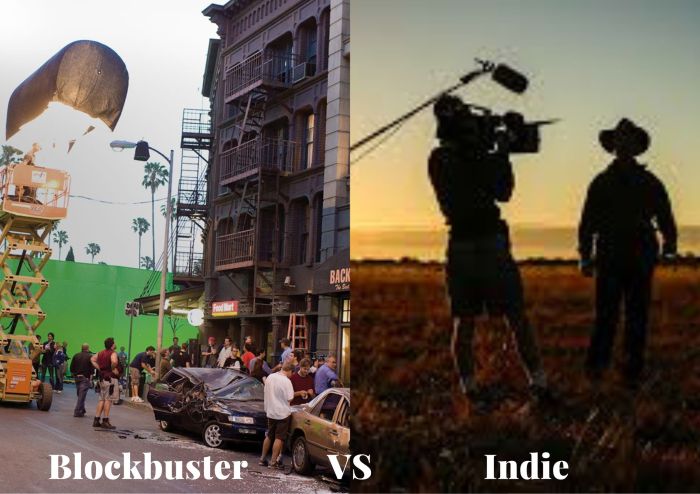
The chasm between independent films and blockbuster movies is perhaps most dramatically illustrated in their budgets and production processes. While both aim to tell compelling stories, the resources available significantly shape the final product, influencing everything from the scope of the narrative to the technical quality of the visuals.Independent films typically operate on significantly smaller budgets, ranging from a few thousand dollars to a few million.

Blockbusters, on the other hand, often boast budgets exceeding hundreds of millions of dollars. This difference in financial backing translates into vastly different production approaches.

Budget Ranges and Examples

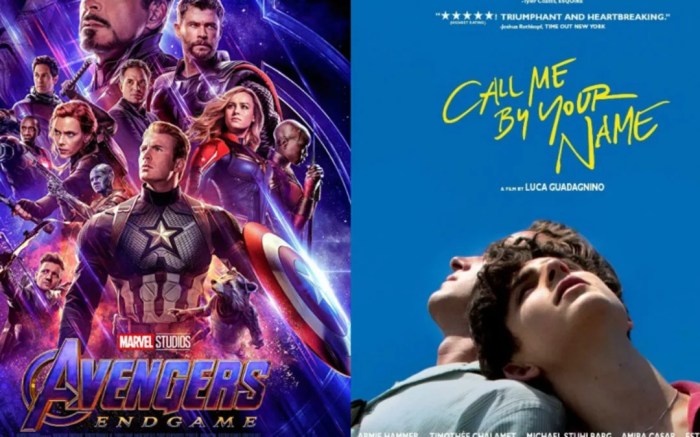
Independent films often rely on creative financing, crowdfunding, or smaller studio backing. While some manage to secure substantial funding, such as the $30 million budget for “Moonlight” (2016), which ultimately won several Academy Awards, the vast majority operate within much tighter constraints. Conversely, blockbusters like “Avengers: Endgame” (2019) commanded a budget exceeding $350 million. A notable exception to the typical high-budget blockbuster is “The Blair Witch Project” (1999), which was made for a mere $60,000 but grossed over $248 million worldwide, demonstrating the potential for low-budget films to achieve significant commercial success.

Production Processes

The production processes for independent and blockbuster films differ significantly. Independent films often utilize smaller, more agile crews, frequently relying on multi-skilled individuals who wear multiple hats. Filming locations are typically more modest, often chosen for their accessibility and affordability, potentially utilizing locations that are easily accessible to reduce costs. Technology may be less advanced, although the rise of affordable high-quality digital cameras has leveled the playing field somewhat.

Blockbusters, conversely, employ massive crews with specialized roles for each member. Filming often takes place on elaborate sets constructed specifically for the film or on location shoots requiring significant logistical planning and resources. They leverage cutting-edge technology, including advanced visual effects (VFX), to deliver spectacular visuals.

Production Timelines

The time it takes to bring a film from concept to completion also varies significantly between independent and blockbuster productions. Blockbusters, with their complex visual effects and extensive post-production work, typically require much longer timelines. Independent films, due to their smaller scope and streamlined processes, can often be completed more quickly.

Film Type Pre-Production Time Production Time Post-Production Time
Independent Film 3-6 months 1-3 months 3-6 months
Blockbuster Film 1-2 years 6-12 months 1-2 years

Distribution and Marketing

Independent films and blockbusters employ vastly different strategies for distribution and marketing, reflecting their contrasting budgets and target audiences. The scale of these differences significantly impacts the reach and success of each type of film. Blockbusters rely on widespread theatrical releases and extensive marketing campaigns, while independent films often utilize a more targeted approach, leveraging film festivals and digital platforms.The distribution channels utilized by independent films and blockbusters differ significantly.

Blockbusters typically prioritize a wide theatrical release, aiming for maximum box office revenue in the initial weeks. This involves securing deals with major cinema chains for prominent screening slots and coordinating simultaneous releases across multiple territories. Independent films, conversely, often premiere at film festivals (such as Sundance, Cannes, or Tribeca) to gain critical acclaim and attract distributors. Following festival screenings, distribution might involve limited theatrical releases in select cities, or a direct-to-streaming release through platforms like Netflix, Hulu, or smaller streaming services specializing in independent cinema.

Some independent films may also opt for a hybrid approach, combining limited theatrical runs with simultaneous or subsequent streaming releases.

Distribution Channel Comparison

Independent films and blockbusters diverge significantly in their distribution strategies. Blockbusters leverage massive theatrical releases, aiming for maximum audience reach through major cinema chains. In contrast, independent films often premiere at film festivals, utilizing this platform for critical recognition and securing distribution deals. Subsequent release strategies for independent films might include limited theatrical releases, direct-to-streaming releases, or a combination of both.

This diversity reflects the varying goals and resource constraints of each film type.

Marketing Strategies

Blockbuster marketing campaigns are typically large-scale, high-budget affairs designed to generate significant pre-release buzz and maximize opening weekend box office. These campaigns utilize a multi-platform approach, including television commercials, print advertisements, extensive online advertising (including social media campaigns), billboards, and partnerships with major brands. They frequently involve celebrity endorsements and carefully crafted trailers designed to appeal to a broad audience.

Independent films, on the other hand, often employ more targeted marketing strategies, focusing on building a niche audience through social media engagement, targeted online advertising, and press outreach to film critics and specialized publications. Film festival screenings and word-of-mouth marketing also play a crucial role in generating awareness and building anticipation.

Marketing Budget and Promotional Activities

The differences in marketing budgets and promotional activities between independent films and blockbusters are stark. A concise overview of these differences is presented below:

  • Marketing Budget: Blockbusters typically have marketing budgets in the tens or even hundreds of millions of dollars, while independent films often operate with budgets ranging from a few thousand to a few hundred thousand dollars.
  • Promotional Activities: Blockbusters engage in extensive television advertising, print campaigns, billboard advertising, large-scale social media campaigns, and celebrity endorsements. Independent films rely more heavily on social media marketing, targeted online advertising, film festival participation, press kits, and grassroots outreach.
  • Target Audience: Blockbusters aim for broad appeal, targeting a wide demographic. Independent films typically target more niche audiences, often focusing on specific genres, themes, or demographics.
  • Distribution Strategy: Blockbusters utilize widespread theatrical releases, often coordinated internationally. Independent films may employ limited theatrical releases, direct-to-streaming releases, or a combination of both.

Creative Control and Artistic Vision

The chasm between independent filmmaking and blockbuster production is perhaps most dramatically illustrated in the realm of creative control. While both strive for artistic merit, the path to achieving it, and the degree of freedom experienced by the filmmaker, differ significantly. Independent films often offer a more intimate and personally driven creative process, whereas blockbusters, due to their scale and investment, frequently involve a more collaborative and sometimes heavily scrutinized approach.Independent filmmakers often enjoy a significantly higher level of creative control than their blockbuster counterparts.

This stems from the smaller scale of their projects, which typically involve fewer stakeholders and less external pressure to conform to pre-established formulas for success. The director’s vision tends to be paramount, and the creative decisions are frequently driven by artistic merit rather than market demands. This autonomy allows for experimentation and the exploration of unconventional narratives and styles.

Creative Control in Independent vs. Blockbuster Films

Independent films provide directors with substantially more creative freedom. Consider filmmakers like Quentin Tarantino, whose distinct style and narrative choices have consistently defined his independent work, or Wes Anderson, celebrated for his meticulously crafted visual aesthetic and quirky storytelling. These directors, along with many others working outside the studio system, have the agency to pursue their unique visions without the significant compromises often required in larger-scale productions.

Conversely, blockbuster films, while capable of showcasing artistic talent, are often subject to extensive studio oversight, market research, and test screenings, which can lead to compromises in the director’s initial vision. The creative process becomes a negotiation, with the director’s input balanced against the studio’s concerns regarding profitability and audience appeal. A prime example might be a superhero film where a director’s initial dark, gritty vision might be toned down to make it more commercially appealing.

Common Themes and Stylistic Choices

Independent films frequently explore more personal, intimate, and often unconventional themes. Character studies, social commentary, and explorations of complex emotional landscapes are commonplace. Stylistically, independent films often embrace experimental techniques, unconventional cinematography, and non-linear narratives. Blockbusters, on the other hand, tend to focus on broad, widely appealing themes such as heroism, good versus evil, and grand-scale adventures. Their stylistic choices are generally more conventional, aiming for visual spectacle and narrative clarity to appeal to a mass audience.

This isn’t to say that blockbusters are devoid of artistic merit; however, their creative choices are often guided by the need to cater to a wider audience and maximize box office potential.

Creative Risks in Independent vs. Blockbuster Films

Independent filmmakers are often more willing to take creative risks, as the potential financial consequences of failure are significantly lower. They can experiment with unconventional storytelling, challenging themes, and experimental visual styles without the fear of jeopardizing a massive budget. This willingness to push boundaries leads to a wider range of cinematic experiences and innovations. Conversely, blockbuster films, with their enormous budgets and marketing campaigns, are often more risk-averse.

The pressure to deliver a commercially successful product often leads to a preference for familiar formulas and proven strategies, minimizing the potential for financial loss but potentially limiting creative innovation. The high financial stakes involved often lead to a more conservative approach, prioritizing safety over artistic experimentation.

Target Audience and Reception

Independent blockbuster struggle hollywoodinsider demands visions reaching compromise defining filmmakers fox

Independent films and blockbuster movies cater to vastly different audiences, resulting in contrasting critical reception and box office performance. While blockbusters aim for mass appeal, independent films often focus on niche audiences or explore more unconventional themes. This difference in target audience directly impacts the films’ critical reviews and financial success.Independent films frequently attract audiences interested in more artistic or thought-provoking narratives, often with smaller budgets and less reliance on special effects.

Blockbusters, conversely, prioritize spectacle and broad appeal, relying heavily on marketing and established franchises to draw large audiences. This difference significantly impacts both the critical and commercial success of each type of film.

Target Audience Demographics

The target audience for independent and blockbuster films varies considerably across age, gender, and interests. While generalizations can be made, these are not absolute, and many films blur the lines between these categories.

Film Type Age Range Gender Interest
Independent Film 18-55+ (wide range, often skewed towards older viewers) Generally balanced, though specific films may skew towards a particular gender Arthouse cinema, character-driven stories, social commentary, independent filmmaking
Blockbuster Film 13-35 (though franchises can attract a wider age range) Generally balanced, though specific films may target a particular gender (e.g., action films may lean towards male audiences) Action, adventure, fantasy, science fiction, superhero narratives, spectacle, established franchises

Critical Reception and Box Office Performance

Critically acclaimed independent films often receive awards and recognition at film festivals and from critics, but their box office performance is typically modest. Examples include Moonlight (2016), which won Best Picture at the Oscars, and Parasite (2019), a South Korean thriller that won Best Picture at the Oscars, both achieving critical acclaim but not necessarily massive box office numbers compared to blockbusters.Conversely, commercially successful blockbusters often generate enormous box office revenue but may receive mixed or less favorable reviews from critics.

Examples include the Marvel Cinematic Universe films, which consistently break box office records but are not always praised for their artistic merit. The Avatar franchise exemplifies films with high box office returns but varying critical reception across its sequels. While the first Avatar film received generally positive reviews, the subsequent films garnered more mixed critical responses.

Impact on the Film Industry

Independent and blockbuster films, while seemingly occupying different spheres of the cinematic universe, exert a profound and reciprocal influence on the film industry’s evolution. Their contrasting approaches to filmmaking, distribution, and audience engagement contribute to a dynamic ecosystem that shapes cinematic trends, technological advancements, and artistic expression.Independent films often serve as incubators for cinematic innovation and artistic expression. Their lower budgets and less rigid structures allow filmmakers greater creative freedom to experiment with narrative styles, visual techniques, and thematic explorations.

This experimentation frequently finds its way into mainstream cinema, influencing both style and substance.

Independent Films’ Influence on Cinematic Innovation

Independent films have consistently pushed the boundaries of storytelling and filmmaking. For example, the Dogme 95 movement, with its strict rules limiting filmmaking technology, forced filmmakers to focus on narrative and performance, influencing a return to minimalist aesthetics in many mainstream productions. Similarly, the rise of mumblecore, characterized by its naturalistic dialogue and low-budget aesthetics, demonstrated that compelling narratives could be crafted with minimal resources, impacting the approach to character development in a wider range of films.

The success of films like

  • Pulp Fiction* (1994), with its non-linear narrative structure, demonstrated the viability of unconventional storytelling techniques that were subsequently adopted by many blockbuster filmmakers. The stylistic innovations seen in films like
  • Clerks* (1994), which revolutionized low-budget filmmaking techniques and distribution, have also paved the way for more independent voices to gain wider recognition.

Blockbuster Films’ Influence on Industry Trends

Blockbuster films, with their massive budgets and global reach, play a significant role in shaping industry trends and driving technological advancements. The pursuit of higher box office returns often leads to investment in cutting-edge visual effects, innovative sound design, and immersive cinematic experiences. The success of films likeAvatar* (2009) spurred advancements in 3D technology and motion capture, influencing subsequent productions across the industry.

Similarly, the Marvel Cinematic Universe’s success has redefined the landscape of franchise filmmaking and the integration of interconnected narratives. The emphasis on spectacle and technological advancements in blockbusters often pushes the boundaries of what’s cinematically possible, even influencing the technical capabilities of independent films through the wider availability of advanced tools and techniques.

Coexistence and Mutual Influence of Independent and Blockbuster Films

The relationship between independent and blockbuster films is not simply one of contrast but also of mutual influence and occasional convergence. Independent films often serve as proving grounds for new talent and innovative approaches, which can later be adopted by larger studios. Conversely, the success of blockbuster films can create opportunities for independent filmmakers, increasing investment in the industry and expanding the audience for diverse cinematic voices.

The rise of streaming platforms has further blurred the lines between these two categories, allowing independent films to reach wider audiences while also enabling studios to experiment with smaller-scale projects and diverse storytelling approaches. For example, the success of Netflix’s original programming, which includes a mix of independent-style productions and larger-scale projects, demonstrates the convergence of these two sectors and their impact on the overall cinematic landscape.

Movies and Television

The lines between film and television have become increasingly blurred in recent years, driven largely by the rise of streaming services and evolving audience consumption habits. While independent films and television series, both independent and network, maintain distinct characteristics, a comparative analysis reveals fascinating similarities and significant differences in their production styles, storytelling, target audiences, and distribution models.Independent films often prioritize artistic expression and unique storytelling, while television series, particularly those on streaming platforms, offer opportunities for serialized narratives and character development across multiple episodes.

This difference in format directly influences production styles and the overall narrative arc.

Production Styles and Storytelling Approaches

Independent films typically operate with smaller budgets and crews, fostering a more intimate and collaborative production environment. Storytelling often focuses on character-driven narratives with a singular, self-contained story. In contrast, network television series often adhere to established formats and genres, utilizing larger production teams and resources to deliver consistent, high-quality episodes across a season. Streaming services offer more flexibility, allowing for diverse formats and greater creative freedom for both independent and network productions.

For example, the anthology series “Black Mirror” on Netflix showcases a variety of narrative styles and themes within a single overarching concept, reflecting the flexibility offered by streaming. Conversely, a low-budget independent film like “Tangerine” (2015), shot entirely on iPhones, demonstrates the creative possibilities with limited resources, prioritizing a unique visual style and compelling story over large-scale production values.

Target Audiences and Distribution

Independent films often target niche audiences interested in arthouse cinema, experimental filmmaking, or specific genres. Distribution typically involves film festivals, limited theatrical releases, and direct-to-video or streaming platforms. Network television series aim for broader appeal, catering to mass audiences with established programming formats and genres. Streaming services have expanded the reach of both independent films and television series, providing access to global audiences and enabling niche content to find wider viewership.

The success of shows like “Atlanta” on FX, which blends comedy, drama, and social commentary, exemplifies how streaming platforms can support shows with specific cultural relevance and unique perspectives, reaching audiences beyond traditional network television.

Impact of Streaming Services

Streaming services have revolutionized the distribution and consumption of both independent films and television. They provide platforms for independent filmmakers to bypass traditional gatekeepers and reach wider audiences directly. Simultaneously, streaming services have fostered a culture of binge-watching and on-demand viewing, altering the way audiences engage with both film and television content. Netflix’s original programming, for instance, has profoundly impacted the television landscape, pushing creative boundaries and challenging traditional network television models.

The success of independent films on platforms like Amazon Prime Video and Mubi demonstrates the expanding reach and accessibility of independent cinema to a global audience.

Blurring Lines Between Film and Television

The distinctions between film and television are increasingly blurred. Successful film-to-TV adaptations, such as “Fargo” (based on the Coen brothers’ film) and “The Handmaid’s Tale” (based on Margaret Atwood’s novel but adapted for television), demonstrate the potential for expanding narrative universes and exploring characters in greater depth. Conversely, television series are increasingly transitioning to the big screen, with shows like “Game of Thrones” and “Stranger Things” expanding their narratives and world-building with feature-length films or special episodes.

This demonstrates a shift in how stories are conceived and distributed, highlighting the increasing interconnectedness of film and television production and consumption.

Ultimately, the comparison between independent films and blockbusters reveals not a dichotomy, but a spectrum of creative expression and commercial viability. While blockbusters often dominate the box office, independent films frequently push boundaries, fostering innovation and challenging conventional storytelling. Their coexistence is vital to the health of the film industry, offering a diverse range of cinematic experiences that cater to a broad spectrum of tastes and preferences.

The future of cinema likely lies in a continued dialogue between these two powerful forces, each enriching and influencing the other.

Top FAQs

What are some examples of successful crossover films – those that blend independent and blockbuster styles?

Examples include films like “Little Miss Sunshine” (indie sensibilities with broad appeal) and “The Blair Witch Project” (low budget indie that became a blockbuster phenomenon).

How do streaming services affect the distribution of independent films?

Streaming services offer wider distribution reach for independent films, bypassing traditional theatrical release limitations and reaching global audiences directly. However, competition for audience attention remains fierce.

What role do film festivals play in the success of independent films?

Film festivals serve as crucial platforms for independent films, providing exposure to critics, distributors, and potential audiences, often leading to wider distribution and critical acclaim.

Are there any examples of independent films that significantly impacted mainstream cinema?

Many independent films have influenced mainstream cinema, such as “Pulp Fiction,” which redefined independent filmmaking and influenced countless subsequent films.

Movies Based on True Stories Fact Meets Fiction

Movies based on true stories

From Hollywood’s Golden Age to today’s blockbuster hits, films based on true stories have captivated audiences with their compelling narratives and emotional resonance. These “biopics,” as they are often called, offer a unique blend of historical accuracy and dramatic storytelling, presenting real-life events and individuals in a way that both informs and entertains. The enduring appeal of these films lies in their ability to connect us with the human experience, offering glimpses into extraordinary lives and pivotal moments in history.

This exploration delves into the evolution of biopics, examining their popularity, the challenges of adaptation, genre variations, critical reception, and their impact on public perception. We will compare and contrast biopics with biographical television series, analyze the role of visual storytelling, and consider the ethical responsibilities of filmmakers in portraying real-life events and individuals.

Genre Variations in Biopics

Movies based on true stories

Biopics, or biographical pictures, offer a fascinating lens through which to examine real-life individuals and their impact on the world. However, the genre’s versatility extends far beyond a simple chronological recounting of events. By incorporating elements from other genres, filmmakers create richer, more engaging narratives that explore the complexities of their subjects’ lives and legacies.The blending of genres within the biopic framework allows for diverse storytelling approaches, significantly impacting the narrative structure and thematic depth.

A straightforward historical drama might focus on factual accuracy and the grand sweep of history, while a biographical thriller might emphasize suspense and hidden motives. The strategic use of genre elements can enhance the emotional impact and offer fresh perspectives on well-known stories.

Genre Categorization of Biopics and Examples

The following list categorizes several biopics by genre, providing a brief synopsis to illustrate the diverse approaches to biographical storytelling. Genre boundaries can often be fluid, with many films successfully incorporating elements from multiple categories.

  • Historical Drama: Lincoln (2012)
    -Steven Spielberg’s film focuses on Abraham Lincoln’s efforts to pass the 13th Amendment during the Civil War, emphasizing the political machinations and moral dilemmas of the era. The film uses a meticulously recreated historical setting and focuses on the weighty decisions of a historical figure.
  • Biographical Thriller: Zero Dark Thirty (2012)
    -This film follows the decade-long hunt for Osama bin Laden, creating suspense and tension as it chronicles the intelligence operations leading to the raid. The narrative structure employs elements of suspense and mystery common to thrillers, while remaining grounded in the true story.
  • Sports Drama: Moneyball (2011)
    -This film depicts the Oakland A’s general manager Billy Beane’s innovative approach to baseball team management, using statistical analysis to build a competitive team. It uses the familiar tropes of the underdog sports story, emphasizing themes of perseverance and unconventional success.
  • Musical Biopic: Bohemian Rhapsody (2018)
    – This film recounts the life of Freddie Mercury and the band Queen, utilizing their music to drive the narrative and explore themes of ambition, creativity, and personal struggles. The musical elements are central to the story, enhancing the emotional impact and providing a unique perspective.
  • Biographical Crime Drama: The Wolf of Wall Street (2013)
    – This film depicts the rise and fall of Jordan Belfort, a stockbroker who engaged in fraud and corruption. The film blends elements of dark comedy and crime drama to explore themes of greed, excess, and the consequences of unchecked ambition.

Influence of Genre on Narrative Structure and Thematic Elements

Genre significantly impacts both the narrative structure and thematic exploration within biopics. For instance, a historical drama might utilize a linear chronological structure, focusing on accurate depiction of events and the historical context. Conversely, a biographical thriller might employ a non-linear structure, building suspense and revealing information gradually to keep the audience engaged. The thematic elements also vary widely; a sports drama might emphasize themes of teamwork, perseverance, and overcoming adversity, while a biographical crime drama could explore themes of morality, corruption, and the consequences of choices.

The selected genre fundamentally shapes how the audience experiences and interprets the subject’s life story.

Critical Reception and Audience Response

Biopics, by their very nature, walk a tightrope between factual accuracy and compelling storytelling. This inherent tension significantly influences both critical reception and audience response, shaping the legacy and impact of these films long after their release. The success of a biopic hinges not only on its cinematic merits but also on its ability to navigate the complexities of portraying a real person’s life and legacy.Critical reviews of biopics often reveal recurring themes.

Many focus on the film’s fidelity to historical events, analyzing the accuracy of depicted events and the choices made in portraying the subject’s personality and motivations. Another common thread involves the director’s and screenwriter’s interpretation of the subject’s life – whether they present a balanced perspective or lean towards a particular narrative, potentially impacting the overall assessment of the film.

Furthermore, the acting performances, especially that of the actor portraying the central figure, are critically examined, with reviewers assessing their ability to capture the essence of the real-life individual.

Analysis of Critical Reviews

Several notable biopics offer insightful case studies. “Bohemian Rhapsody” (2018), while commercially successful, received mixed critical reviews. Some praised the energetic performances and musical sequences, while others criticized its handling of certain historical events and its somewhat sanitized portrayal of Freddie Mercury’s life. Conversely, “The King’s Speech” (2010) garnered widespread critical acclaim, lauded for its nuanced performances, compelling narrative, and sensitive portrayal of King George VI’s struggles.

The contrasting reception of these films highlights the varied factors influencing critical opinion, including historical accuracy, narrative choices, and overall cinematic quality.

Comparison of Audience Reception

Audience reception of biopics often differs from that of fictional films. Biopics frequently attract viewers interested in the subject’s life, leading to a pre-existing level of engagement and, potentially, expectation. This can result in more polarized responses, with strong positive or negative reactions based on whether the film aligns with viewers’ preconceived notions. Fictional films, on the other hand, typically have a broader appeal and can be enjoyed without the same level of prior knowledge or personal connection to the subject matter.

Consequently, audience expectations and emotional investment play a crucial role in shaping the overall reception of biopics compared to fictional narratives.

Examples of Critical and Commercial Success

Some biopics achieve both critical acclaim and significant box office success, a rare feat in filmmaking. “Ray” (2004), the biographical film about Ray Charles, is a prime example. It received widespread praise for Jamie Foxx’s Oscar-winning performance and its authentic depiction of Charles’s life and musical journey. The film’s critical success translated into considerable box office earnings, demonstrating the potential for biopics to resonate with both critics and audiences.

Similarly, “Walk the Line” (2005), about Johnny Cash, achieved similar success, balancing artistic merit with popular appeal.

Impact of Historical Context and Cultural Sensitivities

The historical context and cultural sensitivities surrounding a biopic’s subject significantly impact audience response. Films dealing with controversial figures or sensitive historical events can provoke strong reactions, depending on the audience’s perspective and cultural background. For instance, biopics tackling complex issues of race, gender, or politics often generate intense debate and varied interpretations, highlighting the inherent subjectivity in interpreting historical narratives.

The filmmaker’s choices in representing these sensitive aspects heavily influence the reception, potentially leading to both praise and criticism, depending on the audience’s understanding and acceptance of the presented perspective.

Movies and Television

Biopics and biographical television series, while both aiming to tell true stories of individuals’ lives, employ distinct narrative strategies shaped by their respective mediums. The inherent differences in length, episodic structure, and audience engagement lead to contrasting approaches in storytelling and character development. This comparison explores the strengths and weaknesses of each medium in portraying the complexities of real-life narratives.Movies, with their limited runtime, typically focus on pivotal moments and overarching themes in a subject’s life.

They often employ a more condensed, dramatic narrative arc, highlighting key turning points and emotional climaxes. Television series, on the other hand, benefit from their extended format, allowing for a more nuanced and detailed exploration of a subject’s life, encompassing a wider range of experiences and relationships. This allows for a more gradual and immersive portrayal of character development and thematic exploration.

Narrative Strategies in Biopics versus Biographical Television Series

Film biopics often prioritize a compelling narrative arc, often structured around a central conflict or a significant life transformation. This approach prioritizes dramatic impact and emotional resonance. Conversely, biographical television series can adopt a more episodic structure, exploring various facets of the subject’s life across multiple episodes. This allows for a richer, more comprehensive portrait, even if it means sacrificing a tightly-plotted narrative.

The pacing is fundamentally different; a movie rushes through years, while a series can dedicate an entire season to a single period. For example, the film “Bohemian Rhapsody” focuses primarily on Queen’s rise to fame and Freddie Mercury’s personal struggles, while a potential television series could explore his childhood, his relationships in greater detail, and his later years with more thoroughness.

Advantages and Disadvantages of Each Medium

Film biopics offer a concise and impactful storytelling experience. Their concentrated narrative can leave a lasting impression and create a strong emotional connection with the audience. However, this conciseness often necessitates simplification or omission of certain details, potentially leading to an incomplete or even misleading portrayal of the subject’s life. Biographical television series, while providing greater depth and detail, can suffer from pacing issues or inconsistencies across episodes.

The extended format also increases the risk of narrative fatigue or a lack of overall cohesion. A successful example of a film biopic is “The King’s Speech,” which effectively portrays a pivotal moment in King George VI’s life with compelling narrative focus. Conversely, the success of a series like “The Crown” lies in its ability to unfold the complexities of Queen Elizabeth II’s reign over multiple seasons.

Successful Biographical Television Series and Their Strengths

“The Crown,” a biographical series about Queen Elizabeth II, excels in its meticulous historical detail, its exploration of complex interpersonal relationships within the royal family, and its nuanced portrayal of the monarch’s evolution over decades. The series successfully balances historical accuracy with dramatic storytelling, creating a compelling and engaging narrative. “Chernobyl,” while not strictly a biographical series, masterfully weaves together multiple perspectives to depict a catastrophic event and the human consequences, demonstrating the power of television to tackle complex historical narratives with depth and emotional impact.

Its strength lies in its meticulous reconstruction of events and its exploration of the human cost of disaster.

Comparison of Pacing, Character Development, and Thematic Depth

The following bullet points compare biopics and biographical TV series across key aspects:

  • Pacing: Biopics generally have a faster pace, focusing on key events. TV series allow for a slower, more deliberate pace, exploring events in greater detail.
  • Character Development: Biopics often present a simplified version of a character’s personality. TV series provide ample time for complex and nuanced character development.
  • Thematic Depth: Biopics tend to focus on one or two central themes. TV series can explore a wider range of themes and complexities.

The Role of Visual Storytelling in Biopics

Movies based on true stories

Biopics, by their very nature, strive to present a truthful and engaging portrayal of a person’s life. While dialogue and narrative structure are crucial, the visual elements – cinematography, set design, and costumes – play a pivotal role in shaping the audience’s understanding and emotional connection to the subject. These visual components aren’t mere background; they actively contribute to the storytelling, enriching the narrative and often revealing deeper truths about the character and their times.Visual elements in biopics function on multiple levels.

Cinematography, for instance, can establish tone and mood. A handheld camera might create a sense of immediacy and realism, mirroring the chaotic or turbulent experiences of the subject, while a more static, composed shot might reflect a period of stability or introspection. Set design recreates the historical context, immersing the viewer in the subject’s world and allowing them to better grasp the socio-political climate influencing their life.

Costumes further solidify this immersion, reflecting not only fashion trends of the era but also the character’s personality, social standing, and even their inner state. Careful attention to these details allows for a deeper understanding of the subject’s journey and their place in history.

Effective Use of Visual Storytelling in Biopics

Several biopics masterfully utilize visual storytelling to elevate their narratives. For example, “Amadeus” (1984) uses vibrant, almost operatic visuals to portray the genius and extravagance of Mozart, contrasting sharply with the darker, more muted tones used to depict Salieri’s jealous envy. The stark visual differences between the two composers underscore the thematic tension of the film. Similarly, “The King’s Speech” (2010) employs a restrained and elegant visual style to reflect the formality of British society in the early 20th century, while the close-ups on Colin Firth’s face during his speech therapy sessions convey his inner struggle and gradual triumph over his stammer.

The film’s visual restraint effectively amplifies the emotional weight of the narrative. In contrast, “Bohemian Rhapsody” (2018), while sometimes criticized for historical inaccuracies, uses dynamic camerawork and vibrant color palettes to capture the energy and spectacle of Queen’s live performances, creating an immersive and exhilarating viewing experience.

Visual Metaphors and Symbolism in Biopics

Visual metaphors and symbolism serve as powerful tools for conveying complex emotions and events that might be difficult to articulate through dialogue alone. For instance, recurring imagery, such as a specific object or color, can represent a key theme or aspect of the character’s life. In “Schindler’s List” (1993), the use of black and white cinematography, punctuated by the vibrant red of a girl’s coat, creates a stark visual contrast that underscores the horror of the Holocaust and the fragility of life amidst unimaginable suffering.

The red coat acts as a powerful visual metaphor for innocence lost and the enduring impact of the tragedy. Similarly, the use of light and shadow can be employed to symbolize hope and despair, inner turmoil and outward composure. These subtle visual cues enrich the narrative and add layers of meaning that resonate deeply with the audience.

Detailed Description of a Key Scene

Consider the scene in “The Social Network” (2010) where Mark Zuckerberg, after being dumped by his girlfriend Erica Albright, furiously begins coding in his dorm room. The lighting is harsh and cold, reflecting his emotional state. The close-up shots of his fingers flying across the keyboard emphasize his intense focus and almost manic energy, mirroring his emotional turmoil channeled into creation.

The rapid-fire editing and the minimalist set design, focusing solely on Zuckerberg and his computer, create a sense of isolation and urgency. The scene’s visual language effectively communicates the raw emotion and ambition driving Zuckerberg’s creation of Facebook, demonstrating how visual storytelling can convey complex internal states without relying solely on dialogue. The audience feels the intensity of his emotion through the stark visual choices made by the director.

Ultimately, movies based on true stories serve as powerful vehicles for storytelling, capable of both educating and captivating audiences. While the pursuit of entertainment often necessitates creative liberties, the ethical considerations involved in adapting real-life events cannot be overlooked. The enduring legacy of successful biopics lies in their ability to strike a balance between dramatic storytelling and historical accuracy, leaving viewers with a deeper understanding of the past and a renewed appreciation for the human spirit.

Detailed FAQs

What makes a good biopic?

A successful biopic balances factual accuracy with compelling storytelling, engaging characters, and strong performances. It should capture the essence of the subject’s life while also entertaining the audience.

How accurate are biopics?

Accuracy varies greatly. Some strive for strict adherence to facts, while others take more creative liberties. It’s crucial to approach biopics with a critical eye and consider the potential for bias or interpretation.

Are biopics always successful?

No, many biopics underperform critically or commercially. Factors such as casting choices, screenplay quality, and directorial vision heavily influence a biopic’s success.

What is the difference between a biopic and a biographical documentary?

Biopics are fictionalized narratives based on true stories, while biographical documentaries aim for factual accuracy and utilize archival footage and interviews.

Movie Genres Explained A Comprehensive Guide

Genre movie elements icons infographic illustration thumbs preview

From the swashbuckling adventures of action films to the heartwarming charm of romantic comedies, movie genres offer a diverse tapestry of storytelling. This exploration delves into the rich history, defining characteristics, and evolution of various cinematic categories, examining how genres blend, evolve, and ultimately shape our viewing experiences. We’ll uncover the nuances that distinguish action thrillers from suspenseful mysteries, and explore the unique appeal of niche genres like musicals and film noir.

Understanding movie genres provides a framework for appreciating the artistry and craftsmanship behind filmmaking. It allows us to anticipate plot structures, character archetypes, and thematic elements, enhancing our engagement with the stories unfolding on screen. This guide aims to provide a clear and comprehensive overview of the diverse world of movie genres, highlighting their impact on storytelling and audience reception.

Introduction to Movie Genres

A movie genre is a category of films with similar thematic elements, narrative structures, and stylistic conventions. These shared characteristics allow audiences to anticipate certain tropes, plots, and emotional responses when choosing a film. Genres provide a framework for filmmakers and a guide for viewers, simplifying the vast landscape of cinematic offerings.Genres didn’t emerge fully formed; they evolved organically over the history of cinema.

Early silent films often lacked clear genre distinctions, blending elements of melodrama, comedy, and adventure. The development of sound technology in the late 1920s and the rise of the studio system in Hollywood greatly influenced genre diversification. Specific studios became known for specializing in certain genres, further solidifying their conventions and expectations. For example, Warner Bros. became synonymous with gangster films, while MGM focused on lavish musicals.

Genre Evolution and Blending

Genres are not static; they constantly evolve and interact with one another. Early examples of genre blending include the “pre-Code” Hollywood era (roughly 1930-1934), where films often mixed elements of romance, crime, and social commentary, pushing boundaries before the implementation of stricter censorship codes. The Western genre, for instance, initially portrayed romanticized versions of frontier life, but later iterations incorporated social critiques and explored the complexities of race and violence.

The rise of science fiction and fantasy films in the latter half of the 20th century led to countless hybrid genres such as science fiction horror (e.g.,

  • Alien*), science fiction action (e.g.,
  • Star Wars*), and fantasy adventure (e.g.,
  • The Lord of the Rings*). Contemporary cinema further blurs genre lines, with films like
  • Blade Runner 2049* seamlessly blending science fiction, neo-noir, and philosophical drama. This continuous evolution reflects societal changes, technological advancements, and the creative experimentation of filmmakers. The constant interplay between established genres and new cinematic innovations ensures that movie genres remain dynamic and engaging.

Major Movie Genres

Genres generes

This section delves into a detailed exploration of several major movie genres, examining their defining characteristics, common tropes, and influential examples. We will explore the elements that distinguish each genre and how these elements contribute to the overall cinematic experience.

Action Movies

Action films are characterized by thrilling sequences of physical stunts, chases, and fights, often involving weapons and explosions. Common plot structures frequently revolve around a protagonist facing a significant threat, requiring them to utilize their skills and resources to overcome overwhelming odds. Visual elements are crucial, employing fast-paced editing, dynamic camera work, and spectacular special effects to heighten the sense of excitement and danger.

Franchise Common Plot Structure Visual Elements Key Characteristics
James Bond Secret agent on a mission to thwart a global threat, often involving gadgets and exotic locations. Stylish action sequences, glamorous settings, high-tech weaponry. Sophistication, espionage, gadgets, recurring villain motif.
Mission: Impossible Highly trained operatives undertake dangerous missions, facing betrayal and complex obstacles. Intricate stunts, practical effects, suspenseful pacing. Teamwork, elaborate planning, high stakes, morally ambiguous situations.
The Fast and the Furious A group of skilled drivers engage in high-octane car chases and heists, often involving family and loyalty. Spectacular car stunts, explosions, close-quarters combat. Family bonds, high-speed chases, elaborate action sequences, sense of camaraderie.

Romantic Comedies

Romantic comedies blend humor and romance, typically focusing on the development of a relationship between two central characters. Subgenres include screwball comedies (characterized by witty banter and fast-paced plots), romantic dramedies (incorporating more serious themes alongside comedic elements), and holiday rom-coms (set during specific holidays like Christmas).Key elements of a successful romantic comedy include:

  • Charming and relatable characters
  • Witty dialogue and comedic situations
  • A believable romantic connection
  • Obstacles that test the relationship
  • A satisfying and hopeful resolution

Horror Films

Horror films aim to evoke fear, revulsion, and suspense in the audience. They achieve this through a skillful combination of suspenseful storytelling, atmospheric settings, and often, the use of special effects to depict gruesome or terrifying imagery. The creation of a palpable sense of dread and unease is paramount, often building tension gradually before unleashing moments of intense fright.The shower scene in Alfred Hitchcock’sPsycho* masterfully uses sound and imagery to create lasting terror.

The unsettling music, the slashing sounds, and the stark visual of the blood swirling in the drain combine to create a moment of pure cinematic horror that continues to resonate with audiences.

Science Fiction Movies

Science fiction films explore imagined futures, often featuring advanced technology, space travel, and encounters with extraterrestrial life. Common themes include the impact of technology on society, the exploration of the unknown, and the potential consequences of scientific advancement. Technological elements play a crucial role, serving as both a narrative device and a visual spectacle.Influential science fiction films and their impact:

  • -2001: A Space Odyssey* (1968): Revolutionized visual effects and explored philosophical themes of humanity’s place in the universe.
  • -Star Wars* (1977): Redefined the space opera genre and popularized science fiction for a wider audience.
  • -Blade Runner* (1982): Explores complex themes of artificial intelligence, humanity, and existentialism.
  • -The Matrix* (1999): Combined groundbreaking action sequences with philosophical concepts, influencing a generation of filmmakers.

Thriller and Mystery Movies

Thriller and mystery films both involve suspense and intrigue, but differ in their focus. Thrillers prioritize suspense and action, often featuring a protagonist facing immediate danger, while mysteries emphasize puzzle-solving and the gradual unveiling of secrets. Many films successfully blend these genres, using the mystery element to build suspense and drive the action. Examples include films like

The Silence of the Lambs*, which blends elements of both thriller and mystery genres effectively.

Western Films

Western films are typically set in the American West, often portraying cowboys, outlaws, and the conflicts arising from the taming of the frontier. Key characters include rugged cowboys, determined settlers, and ruthless bandits. Common themes explore the struggle for survival, justice, and the clash between civilization and wilderness. Classic Westerns often focused on moral ambiguity and individual heroism, while modern Westerns sometimes incorporate more complex characters and social commentary.

A comparison of classic films like

  • The Searchers* with modern reinterpretations like
  • The Hateful Eight* highlights the evolution of the genre’s themes and visual styles.

Exploring Niche Genres

Genre movie elements icons infographic illustration thumbs preview

Beyond the major genres, cinema thrives on a diverse range of niche categories, each with its unique characteristics and dedicated fanbase. These genres often blend elements from other styles, creating hybrid forms that push creative boundaries and offer unique viewing experiences. Let’s delve into a few of these fascinating cinematic niches.

Musicals

Musicals are characterized by the integration of song and dance into the narrative, often advancing the plot, developing characters, or expressing emotions. The music and choreography are not merely supplementary elements but integral parts of the storytelling. Successful musicals seamlessly blend these elements, creating a cohesive and engaging whole. Famous musical numbers span different eras, reflecting evolving musical styles and societal trends.

“Singin’ in the Rain” (1952) showcases the exuberant energy of classic Hollywood musicals, while “Cell Block Tango” from “Chicago” (2002) exemplifies the dark and satirical tone of more modern productions. The iconic “A Whole New World” from “Aladdin” (1992) demonstrates the power of animation in bringing musical numbers to life. These examples highlight the versatility of the musical genre and its capacity to engage audiences across generations.

Documentary Films

Documentary films prioritize factual accuracy and employ various storytelling techniques to present information engagingly. The commitment to truth is paramount, although creative liberties in presentation are common. Different types of documentaries utilize diverse approaches. Observational documentaries, for instance, capture events as they unfold with minimal intervention, while expository documentaries present information in a more structured and didactic manner.

Other forms, such as participatory documentaries, involve the filmmaker actively engaging with the subject matter. The success of a documentary often rests on its ability to balance factual accuracy with compelling storytelling, captivating the audience while maintaining journalistic integrity.

Animated Movies

Animated movies utilize various techniques to bring imaginary worlds and characters to life. Traditional animation, using hand-drawn cels, remains a beloved style, exemplified by the classic works of Disney’s Golden Age. Stop-motion animation, meticulously crafting movement frame by frame, creates a unique texture and aesthetic, as seen in the films of Laika studios. Computer-generated imagery (CGI) dominates modern animation, allowing for incredible realism and visual effects, as demonstrated by Pixar’s productions.

The styles of different animation studios are often distinct, reflecting their artistic visions and technological capabilities. Studio Ghibli, for example, is known for its hand-drawn aesthetic and emotionally resonant storytelling, while Pixar’s CGI animation is characterized by its technical brilliance and emotional depth.

Film Noir

Film Noir, a genre predominantly from the 1940s and 50s, is characterized by its distinctive visual style, cynical themes, and archetypal characters. The visual style typically employs high contrast lighting, creating stark shadows and a sense of mystery and suspense. Themes often revolve around crime, betrayal, and moral ambiguity, often exploring the darker aspects of human nature. Character archetypes frequently include the cynical detective, the femme fatale, and the morally compromised protagonist.

Feature The Maltese Falcon (1941) Casablanca (1942)
Visual Style High contrast lighting, dark shadows, claustrophobic settings Chiaroscuro lighting, atmospheric use of shadows, romantic yet morally ambiguous setting
Themes Crime, deception, greed, moral ambiguity Love, sacrifice, duty, wartime disillusionment
Character Archetypes Cynical detective (Sam Spade), femme fatale (Brigid O’Shaughnessy) World-weary romantic (Rick Blaine), resilient woman (Ilsa Lund)

Movies and Television

Movies and television, while both visual storytelling mediums, possess distinct narrative structures and genre conventions shaped by their respective historical development and technological advancements. This section will explore the key differences and similarities between these two powerful forms of entertainment, focusing on narrative structure, genre conventions, the impact of streaming, and successful cross-media franchises.

Narrative Structures of Movies and Television Series

Film narratives typically adhere to a three-act structure: setup, confrontation, and resolution. This concise format prioritizes a focused story arc with a clear beginning, middle, and end, often within a limited timeframe. Television series, conversely, frequently employ serialized storytelling, developing complex characters and narratives over multiple episodes and seasons. This allows for greater depth in character development, exploration of intricate plotlines, and the introduction of overarching storylines or “arcs” that unfold gradually.

While some television shows employ self-contained episodes, the overarching narrative structure distinguishes many television series from the typical film narrative. For example, a film like

  • The Shawshank Redemption* tells a complete story within its runtime, while a series like
  • Breaking Bad* unfolds a complex narrative across multiple seasons, each episode contributing to the larger story.

Genre Conventions in Movies and Television

Genre conventions, while sometimes overlapping, often differ in their application between film and television. For instance, the horror genre in film often relies on jump scares and a high degree of suspense concentrated within a limited runtime. Television horror, however, can leverage serialized storytelling to build dread and suspense over multiple episodes, developing complex antagonists and exploring psychological horror more extensively.

Similarly, romantic comedies in film often prioritize a quick, satisfying resolution, while television romantic comedies can explore the complexities of relationships over longer periods, showcasing character growth and the challenges of long-term commitment. The Western genre, traditionally a cinematic staple, has seen successful adaptations to television, albeit with shifts in pacing and scope, often exploring more nuanced character dynamics and societal issues than many classic Western films.

Impact of Streaming Services on Movie and Television Genres

The rise of streaming services has significantly blurred the lines between film and television genres. The binge-watching model encouraged by streaming platforms has led to a rise in serialized narratives even within projects initially conceived as films, often seen in miniseries formats. Streaming services have also fostered experimentation with genre hybridization, creating shows that blend genres in unexpected ways, defying traditional categorization.

The success of shows likeStranger Things* (a blend of science fiction, horror, and coming-of-age drama) exemplifies this trend. Furthermore, the increased demand for content has led to a proliferation of limited series and anthologies, further blurring the lines between film and television formats. The increased accessibility of global audiences via streaming platforms has also facilitated the production and distribution of diverse genres and narratives that might not have found a traditional theatrical release or broadcast television slot.

Successful Franchises Transitioning Between Movies and Television

Many successful franchises have successfully transitioned between film and television, demonstrating the adaptability of compelling narratives across different formats. The

  • Star Trek* franchise, for example, originated as a television series and later spawned numerous successful films. Conversely,
  • The Walking Dead*, initially a comic book series, became a highly successful television franchise, eventually leading to spin-off series and even some consideration of film adaptations. The success of these transitions highlights the potential for expanding established intellectual property across different media, catering to diverse audience preferences and exploiting the unique storytelling capabilities of each format.

The world of movie genres is vast and ever-evolving, a testament to the creativity and adaptability of filmmakers. By understanding the conventions and characteristics of each genre, we gain a deeper appreciation for the artistry and skill involved in creating compelling cinematic narratives. This exploration has touched upon major and niche genres, revealing the fascinating interplay between established formulas and innovative storytelling techniques.

Whether you’re a seasoned cinephile or a casual viewer, exploring the world of movie genres offers a rewarding journey into the heart of cinematic storytelling.

FAQ Summary

What is the difference between a thriller and a suspense film?

While both genres build tension, thrillers often prioritize action and fast-paced plot twists, while suspense films focus on creating a sustained atmosphere of dread and uncertainty, often delaying the climax.

Are documentaries considered a genre?

Yes, documentaries are a distinct genre, characterized by their focus on factual information and real-life subjects, although various subgenres exist with differing approaches to storytelling and presentation.

How have streaming services impacted movie genres?

Streaming services have fostered experimentation and diversification of genres, allowing for niche genres to find wider audiences and influencing the creation of hybrid genres and formats.