Popular TV Show Genres A Comprehensive Overview

Infogram

Television, a ubiquitous form of entertainment, thrives on its diverse range of genres. From the thrilling escapades of science fiction to the heartwarming narratives of family dramas, the landscape of television programming is a constantly evolving tapestry of storytelling. This exploration delves into the world of popular TV show genres, examining their defining characteristics, historical evolution, and influence on audiences across demographics and platforms.

We’ll analyze how streaming services have reshaped the industry and venture into predictions for future trends, considering the impact of emerging technologies.

This analysis will cover major genres, comparing and contrasting their key elements, target audiences, and narrative structures. We will trace the historical development of specific genres, highlighting the impact of technological advancements and shifting audience preferences. Furthermore, we’ll explore the differences between genre conventions in television and film, and consider the implications of runtime differences on storytelling.

Defining Popular TV Show Genres

Television shows are categorized into various genres, each with its own distinct characteristics and target audience. Understanding these genres helps viewers navigate the vast landscape of television programming and producers to better target their intended market. This section will define several major genres, compare and contrast key examples, and illustrate their defining features.

Major Television Show Genres and Their Characteristics

Television genres are not always mutually exclusive; many shows blend elements from multiple categories. However, certain core characteristics generally define each genre. A comprehensive understanding of these characteristics allows for better appreciation and analysis of the shows themselves.

Genre Key Characteristics Examples Target Audience
Comedy Humorous situations, witty dialogue, often episodic storylines. Subgenres include sitcoms (situation comedies), romantic comedies, and dark comedies. The Office, Friends, Parks and Recreation, Arrested Development Broad, but often skews towards younger demographics and those seeking lighthearted entertainment.
Drama Focuses on serious and complex themes, character development, and often features serialized storylines with ongoing narratives. Subgenres include crime dramas, legal dramas, medical dramas, and historical dramas. Breaking Bad, The Crown, House M.D., The Wire Wide-ranging, appealing to viewers who enjoy intricate plots and character-driven stories.
Science Fiction Set in the future or other worlds, often explores themes of technology, space exploration, and societal change. Can encompass various subgenres like dystopian fiction, space opera, and cyberpunk. Star Trek, Black Mirror, Westworld, Stranger Things Appeals to fans of speculative fiction, often attracting a younger and technologically-savvy audience.
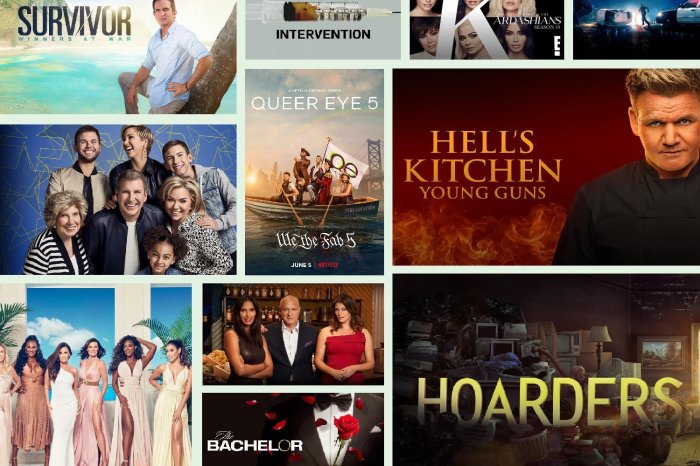
Reality TV Features unscripted situations and real people, often focusing on competition, relationships, or daily life. Subgenres include competition shows, docu-series, and dating shows. Survivor, Keeping Up with the Kardashians, The Real Housewives, RuPaul’s Drag Race Highly diverse, depending on the specific show; can attract viewers seeking escapism, drama, or inspiration.
Horror Aims to frighten or disturb the audience, often featuring supernatural elements, violence, or psychological suspense. Subgenres include slasher films, psychological horror, and gothic horror. The Walking Dead, American Horror Story, Stranger Things (elements of), The Haunting of Hill House Appeals to viewers who enjoy suspense, thrills, and psychological scares; often attracts a younger audience.

Comparison of Comedy, Drama, and Science Fiction

Comedy, drama, and science fiction represent three distinct genres with contrasting approaches to storytelling. Comedy prioritizes humor and lightheartedness, often employing episodic structures with self-contained storylines. Drama, conversely, emphasizes character development and complex narratives, typically using serialized storylines to build upon previous episodes. Science fiction often blends elements of both, utilizing humor to offset serious themes and utilizing serialized narratives to explore complex futuristic concepts.

While comedy aims for laughs, drama seeks emotional engagement, and science fiction strives for thought-provoking exploration of possibilities. The target audiences also differ, with comedy often appealing to a broader audience, drama to those seeking deeper emotional connections, and science fiction to those interested in exploring imaginative worlds and ideas.

Evolution of Popular Genres

The landscape of television entertainment has been dramatically shaped by the evolution of its genres. From simple narratives to complex, interwoven storylines, genres have adapted to reflect societal changes, technological advancements, and evolving audience tastes. This dynamic process is particularly evident in the history of science fiction, a genre that has consistently mirrored and challenged our understanding of the world and our place within it.Science fiction’s journey from niche interest to mainstream phenomenon is a testament to its capacity for innovation and its ability to resonate with diverse audiences.

Its evolution is intrinsically linked to technological progress, societal anxieties, and the ever-shifting preferences of viewers.

Technological Advancements and Science Fiction’s Popularity

Technological advancements have profoundly influenced the popularity and production of science fiction television. Early science fiction, constrained by the limitations of television technology, often relied on imaginative storytelling and creative visual effects to depict futuristic worlds. The advent of color television expanded the visual possibilities, allowing for richer and more immersive depictions of alien landscapes and technological marvels. The development of CGI and special effects, starting in the late 20th century, revolutionized the genre, enabling the creation of incredibly detailed and realistic alien worlds, spaceships, and creatures, previously relegated to the imagination.

This technological leap allowed for more ambitious storytelling and increased the genre’s appeal to a broader audience, who could now experience the futuristic visions of writers in a more compelling way. The increasing accessibility of high-quality home video and streaming platforms further amplified the genre’s reach, making it readily available to viewers globally.

Shifts in Audience Preferences in Science Fiction

Initially, science fiction on television often focused on utopian or dystopian futures, exploring themes of technological progress and its potential consequences. Shows like “The Twilight Zone” (1959-1964) presented thought-provoking social commentaries wrapped in science fiction narratives, captivating audiences with their suspense and philosophical depth. Later, the genre expanded to encompass a wider range of subgenres, including space operas (“Star Trek,” 1966-1969), cyberpunk (“Blade Runner 2049,” film, but influencing TV), and post-apocalyptic narratives (“The Walking Dead,” 2010-2022).

These shifts reflect a change in audience preferences, moving from a focus on philosophical exploration to a greater demand for action, adventure, and complex character development. More recently, there’s been a resurgence of interest in socially conscious science fiction, reflecting a contemporary focus on issues such as climate change, social inequality, and artificial intelligence. The genre’s ability to adapt and incorporate these contemporary concerns ensures its continued relevance and appeal.

Timeline of Science Fiction Television

The following timeline illustrates key moments in the evolution of science fiction television:

  • 1950s-1960s: Early science fiction anthology series like “The Twilight Zone” and “Outer Limits” establish the genre’s foundation, exploring philosophical and social themes through self-contained episodes. These shows often used creative visual effects and suspenseful narratives to compensate for technological limitations.
  • 1960s-1970s: “Star Trek” emerges as a landmark series, introducing a hopeful vision of the future and exploring themes of diversity, tolerance, and exploration. Its influence on subsequent science fiction is immeasurable.
  • 1980s-1990s: The advancements in special effects lead to more visually spectacular science fiction shows, such as “Babylon 5” and “Stargate SG-1,” which expanded the scope and scale of storytelling. The rise of cyberpunk subgenre influences the aesthetic and themes of some productions.
  • 2000s-Present: The rise of cable television and streaming services allows for more mature and complex science fiction narratives, such as “Battlestar Galactica,” “Westworld,” and “Stranger Things.” These shows often blend science fiction with other genres, such as horror, thriller, and drama, reflecting the increasingly blurred lines between genres in modern television.

Genre Popularity Across Demographics

Television genre preferences are far from uniform; they vary significantly based on age, cultural background, and geographic location. Understanding these demographic shifts is crucial for broadcasters, streaming services, and content creators aiming to maximize viewership and engagement. This analysis explores the interplay between demographics and genre popularity, highlighting key trends and influences.Genre preferences are strongly correlated with age. Younger audiences (18-34) tend to gravitate towards genres offering fast-paced action, relatable characters, and contemporary themes.

Sci-fi, fantasy, superhero narratives, and reality competition shows often dominate this demographic’s viewing habits. Conversely, older audiences (55+) often show a preference for genres emphasizing character development, complex plots, and nostalgic elements. Crime dramas, historical pieces, and biographical series frequently appeal to this group. The middle age group (35-54) demonstrates a broader range of preferences, often incorporating elements from both younger and older demographic preferences, depending on individual tastes and life experiences.

Age Group and Genre Preference

Younger viewers (18-34) exhibit a strong preference for action-packed genres like superhero shows and science fiction, reflecting their interest in fast-paced narratives and visually stimulating content. Reality television, particularly competition-based shows, also garners significant viewership in this demographic, possibly due to its focus on relatable characters and social dynamics. Conversely, older viewers (55+) tend to favor genres with more mature themes and slower pacing, such as crime dramas, historical dramas, and documentaries.

This shift might reflect a preference for intricate plots and character-driven narratives, as well as a desire for content that resonates with their life experiences. The 35-54 age group demonstrates a more diverse range of preferences, often bridging the gap between the younger and older demographics.

Cultural Influences on Genre Popularity

Cultural factors significantly influence genre preferences. For instance, a nation with a rich history might see a higher demand for historical dramas and period pieces, while a country with a strong emphasis on family values might favor family-oriented sitcoms or heartwarming dramas. Similarly, cultural events and social movements can significantly impact the popularity of specific genres. For example, a period of social unrest might lead to an increased interest in documentaries or dramas exploring social justice themes.

The rise of global streaming services has further complicated this dynamic, exposing viewers to a wider range of content and influencing preferences across different cultures. For example, the popularity of Korean dramas (K-dramas) and anime has increased globally, reflecting a growing appetite for diverse storytelling and unique cultural perspectives.

Geographic Variations in Genre Popularity

Genre popularity also varies considerably across geographical regions. For example, crime dramas might be more prevalent in regions with higher crime rates or a strong media focus on criminal justice. Similarly, genres reflecting national identity or historical events tend to be more popular within specific countries or regions. The availability of specific genres also plays a crucial role; for example, genres with significant production costs might be more prevalent in countries with robust media industries.

Streaming services, while offering global access to content, often tailor their recommendations and content libraries to suit regional preferences, leading to further variations in genre popularity. A bar chart illustrating this could show the percentage of viewers preferring different genres (e.g., romance, action, comedy, etc.) in various regions (e.g., North America, Europe, Asia). The chart would visually represent the disparities in genre popularity across different geographic locations.

For instance, it might show that romance dramas are particularly popular in Asia, while action films are more prevalent in North America.

The Influence of Streaming Services

Genres quarantine prefer reelgood midst pandemic habits streamers crime breakdown

Streaming services have revolutionized the television landscape, profoundly impacting the creation, distribution, and consumption of various genres. Their on-demand nature, vast content libraries, and data-driven algorithms have reshaped how viewers engage with television, leading to both exciting innovations and significant shifts in genre popularity.Streaming platforms have significantly altered the creation and distribution of television genres. The traditional gatekeeping role of broadcast networks and cable providers has diminished, opening doors for independent producers and diverse voices.

This has resulted in a proliferation of niche genres and a greater willingness to experiment with unconventional formats and storylines. The ability to release entire seasons at once, a hallmark of many streaming services, has also influenced storytelling, allowing for more complex narratives and serialized plots that cater to binge-watching habits. Furthermore, the global reach of streaming platforms has fostered cross-cultural collaborations and increased the visibility of international programming, leading to a more diverse and globally-connected television landscape.

Streaming Algorithms and Genre Popularity

Streaming algorithms utilize data on user viewing habits, preferences, and search history to personalize recommendations. This process significantly influences genre popularity by amplifying certain genres while potentially marginalizing others. Algorithms tend to prioritize content that aligns with established user preferences, leading to “filter bubbles” where users are primarily exposed to similar genres and styles. This can create a feedback loop, where popular genres become even more prominent, while less-represented genres struggle to gain traction.

For example, if a user primarily watches crime dramas, the algorithm will likely prioritize similar recommendations, potentially limiting their exposure to other genres like documentaries or romantic comedies. This algorithmic influence shapes viewer perceptions of genre popularity and directly impacts the types of content that streaming platforms choose to commission.

Genre Prevalence Across Streaming Services

Different streaming services cater to diverse audiences and have varying strategies regarding genre offerings. Netflix, known for its vast library, often prioritizes original programming across a wide range of genres, including dramas, comedies, documentaries, and reality shows. Conversely, platforms like Disney+ heavily emphasize family-friendly content, with a focus on animation, children’s programming, and superhero franchises. HBO Max, on the other hand, has cultivated a reputation for high-quality dramas, comedies, and critically acclaimed limited series.

These differences in genre emphasis reflect the platforms’ target demographics and branding strategies.

Genre Offerings of Major Streaming Platforms

Genre Netflix Disney+ HBO Max
Action/Adventure High Medium Medium
Comedy High Medium High
Drama High Low High
Sci-Fi/Fantasy High Medium Medium
Horror Medium Low Medium
Animation Medium High Low
Documentaries High Medium Medium
Reality TV Medium Low Low

Movies and Television

Infogram

Movies and television shows, while both operating within the realm of visual storytelling, exhibit significant differences in their approach to genre conventions, narrative structures, and runtime, leading to distinct storytelling styles. These differences stem from the inherent limitations and opportunities presented by each medium’s format and audience expectations.Genre conventions, while often shared between film and television, are implemented differently.

Movies, due to their limited runtime, typically focus on a singular, tightly-plotted narrative arc, often prioritizing a clear resolution. Television, on the other hand, benefits from serialized storytelling, allowing for complex character development, intricate plots spanning multiple episodes and seasons, and ongoing exploration of genre themes.

Genre Convention Implementation in Film and Television

Movies often utilize genre conventions as shorthand to quickly establish tone and expectations. A Western, for instance, might rely heavily on iconic imagery – dusty landscapes, saloons, and gunfights – to instantly convey its genre. Television series, however, have the luxury of gradually revealing genre conventions over time, allowing for subversions and unexpected twists within established frameworks. A television crime drama, for example, might initially adhere to familiar procedural tropes, but later seasons could introduce supernatural elements or explore the psychological depths of its characters, expanding the genre’s boundaries.

Narrative Structure Differences in Horror

Let’s examine the horror genre to illustrate narrative structural differences. Horror films often follow a three-act structure: setup, confrontation, and resolution. The limited runtime necessitates a rapid escalation of tension leading to a climactic confrontation with the antagonist. In contrast, horror television series can stretch the narrative across multiple episodes and seasons. A series might introduce a central mystery or threat gradually, building suspense through episodic investigations or character-focused arcs.

The resolution, if there is one, is often delayed or fragmented, allowing for ongoing exploration of the horror theme and its impact on characters. Consider the differences between a slasher film like “Scream” and a horror series like “The Walking Dead.” The former relies on a tightly-plotted narrative with a relatively swift conclusion, while the latter builds a complex, multi-layered story across multiple seasons.

Impact of Runtime on Genre Storytelling

The significant difference in runtime profoundly impacts storytelling. Movies, typically 90-120 minutes, demand concise narratives with focused character arcs and streamlined plots. Television, with its episodic format, allows for sprawling narratives, intricate character development, and exploration of multiple plotlines concurrently. A romantic comedy film needs to establish the central relationship, create conflict, and resolve it within a couple of hours.

A romantic comedy series, however, can develop the relationship over multiple seasons, exploring various facets of the characters’ lives and relationships along the way.

Successful Genre Transitions Between Film and Television

Many genres have successfully transitioned between film and television, often requiring significant adaptations. The crime drama genre, for example, readily adapts. Film crime dramas often focus on a single case or a specific criminal, while television series allow for ongoing investigations, character arcs that span multiple seasons, and exploration of the complex moral ambiguities of law enforcement. “The Wire,” a critically acclaimed television series, provides a compelling example, showcasing the intricate details of the Baltimore drug trade across multiple seasons in a way that would be impossible to achieve in a single film.

Similarly, the superhero genre, initially a staple of comic books and films, has flourished on television with series like “The Umbrella Academy” and “Daredevil,” which allow for deeper exploration of character motivations and backstories than typically found in feature films. These adaptations often involve expanding the scope of the narrative, developing recurring characters more fully, and utilizing the serialized format to create a more complex and nuanced storytelling experience.

Future Trends in TV Show Genres

The television landscape is in constant flux, driven by technological advancements, evolving audience preferences, and the ever-competitive streaming wars. Predicting the future of television genres is inherently speculative, but by analyzing current trends and emerging technologies, we can identify likely paths of development in the next five years. These predictions are based on observed shifts in audience engagement, production techniques, and the capabilities of new media platforms.The factors driving these changes are multifaceted.

The rise of interactive storytelling, fueled by advancements in technology, is a major influence. Simultaneously, audiences are increasingly demanding diverse and nuanced representations, pushing creators to explore more inclusive and experimental narratives. The economic pressures of the streaming market also play a significant role, encouraging the development of genres that offer high production value and broad appeal, while simultaneously allowing for niche explorations that cater to specific audience segments.

The Rise of Interactive and Immersive Storytelling

The integration of interactive elements and immersive technologies like virtual reality (VR) and augmented reality (AR) is poised to significantly reshape television genres. We’re already seeing early examples of choose-your-own-adventure style narratives in video games and interactive fiction, and this trend is likely to permeate television. Imagine a crime drama where viewers can choose the detective’s next move, influencing the course of the investigation and the ultimate outcome.

This level of audience participation creates a unique and personalized viewing experience, fostering a deeper engagement with the narrative. VR and AR could further enhance immersion, allowing viewers to step into the fictional world, explore environments, and interact with characters in unprecedented ways. The potential for these technologies to transform genres like sci-fi, fantasy, and horror is immense.

For example, a horror series could utilize VR to place viewers directly within the haunted house, increasing the sense of fear and suspense.

Genre Blending and Hybrid Formats

Expect to see a continued blurring of genre lines, with more hybrid formats emerging that blend elements from different established categories. For instance, we might see a rise in “dark comedies” that incorporate elements of thriller or horror, or “romantic thrillers” that combine romance with suspenseful plots. This trend reflects the increasingly sophisticated tastes of audiences, who are less interested in rigidly defined genres and more open to narratives that defy easy categorization.

The success of shows like “Russian Doll” (a dark comedy with sci-fi elements) demonstrates the audience’s appetite for such hybrid forms. The streaming platforms’ algorithms also encourage this genre-bending, as they identify and cater to viewers with eclectic tastes, leading to a more fragmented and diverse television landscape.

Personalized and Algorithmic Content Creation

The increasing sophistication of AI and machine learning is expected to influence the creation of television content. While not replacing human creativity, these technologies can assist in developing storylines, predicting audience preferences, and even generating personalized content experiences. This could lead to the emergence of genres tailored to highly specific niche audiences, creating a highly fragmented television market.

Imagine a sci-fi series where the plot dynamically adapts based on individual viewer choices and preferences, creating a unique narrative for each person. This personalized approach could transform the way television is consumed, leading to a more interactive and individualized experience.

Potential Future Genre Trends

The following list presents potential future genre trends, informed by current developments and technological advancements:

  • Hyper-realistic simulations: Shows employing advanced CGI and VFX to create hyper-realistic worlds and characters, blurring the lines between fiction and reality. Think a medical drama so realistic that it feels like a live surgery, or a historical drama where historical figures are convincingly recreated.
  • Interactive documentaries: Documentaries that incorporate interactive elements, allowing viewers to explore different perspectives and make choices that affect the narrative. This could involve choosing which interview to watch next or selecting alternative storylines based on evidence presented.
  • Personalized horror: Horror experiences tailored to individual viewers’ fears and anxieties using AI and data analysis. This could result in a horror series where the scares are specifically designed to target a viewer’s personal phobias.
  • VR/AR adventure series: Series designed specifically for VR/AR platforms, offering immersive experiences that go beyond traditional screen-based viewing. This could involve exploration games, puzzle solving, and interactive narratives within virtual environments.
  • Meta-narrative dramas: Shows that explicitly comment on the nature of storytelling itself, breaking the fourth wall and playing with audience expectations. This could involve characters acknowledging their status as fictional entities or the narrative directly addressing the viewer.

The world of television genres is dynamic and ever-changing, reflecting societal shifts, technological innovations, and evolving audience tastes. While established genres continue to thrive, new subgenres and hybrid forms are constantly emerging, promising exciting developments in the years to come. Understanding the forces shaping these trends—from streaming algorithms to the impact of virtual and augmented reality—is key to appreciating the ongoing evolution of television storytelling and its enduring power to captivate audiences worldwide.

FAQ Explained

What is the difference between a sitcom and a dramedy?

Sitcoms typically rely on humor and episodic plots, while dramedies blend comedic and dramatic elements, often exploring more complex character arcs and storylines across multiple episodes.

How have reality TV shows impacted other genres?

Reality TV’s influence is multifaceted. Its popularity has led to increased use of unscripted elements in scripted shows, blurring the lines between fiction and reality. It has also created demand for more relatable and character-driven narratives across various genres.

What are some examples of genres that have successfully transitioned from film to television?

Science fiction, crime dramas, and horror have all successfully transitioned, often adapting their narratives to suit the episodic format of television, allowing for more character development and complex storylines.

Classic TV Shows to Revisit A Nostalgic Journey

Shows classic hulu

Rediscovering classic television offers a unique blend of nostalgia and insightful cultural commentary. These shows, often lauded for their enduring appeal and impact, provide a window into past eras, reflecting societal shifts and artistic innovation. This exploration delves into the reasons behind their continued relevance, examining the psychological impact of revisiting these beloved programs and the technological advancements that have enhanced their accessibility and viewing experience.

From the witty banter of classic sitcoms to the gripping narratives of dramatic series, we’ll traverse various genres, analyzing storytelling techniques and comparing their impact on popular culture with that of classic cinema. We’ll also consider how the definition of a “classic” itself evolves across generations and cultures, making this a journey as much about the shows themselves as about our relationship with them.

Defining “Classic” TV Shows

Television 60s margie gale happened main closerweekly

Defining what constitutes a “classic” TV show is a subjective endeavor, influenced by individual preferences and broader cultural shifts. However, several key factors consistently emerge when assessing a show’s claim to classic status. These factors contribute to a show’s enduring legacy and its continued relevance across generations. A truly classic show transcends its initial air date, maintaining cultural impact and critical acclaim over time.The criteria for classifying a television show as a “classic” are multifaceted.

Several key elements contribute to a show’s lasting appeal and its place in television history. These elements often intertwine and reinforce each other, creating a synergistic effect that elevates a show beyond mere entertainment.

Criteria for Classifying Classic TV Shows

Several factors contribute to a show’s classification as a classic. These factors are not mutually exclusive and often work in concert to create a lasting impact. Consideration should be given to cultural impact, lasting popularity, critical acclaim, innovative techniques, and artistic merit. A show may excel in some areas more than others, but a strong showing across multiple criteria typically signals classic status.

  • Cultural Impact: Did the show significantly influence societal attitudes, fashion, language, or behavior? Did it spark significant public conversation or debate?
  • Lasting Popularity: Does the show maintain a dedicated fanbase across decades, evidenced by continued viewership (through syndication, streaming, etc.) and merchandise sales?
  • Critical Acclaim: Did the show receive significant praise from critics and industry professionals, winning prestigious awards and garnering positive reviews across its run and beyond?
  • Innovative Techniques: Did the show pioneer new storytelling techniques, filming styles, or production methods that influenced subsequent television productions?
  • Artistic Merit: Does the show demonstrate high levels of writing, acting, directing, and overall production quality? Does it possess a unique style or voice?

Examples of Classic TV Shows

Many shows exemplify these criteria. I Love Lucy (1951-1957) revolutionized sitcom filming techniques and remains beloved for its comedic genius and relatable characters. Its impact on television production and comedic styles is undeniable. The Twilight Zone (1959-1964) pushed the boundaries of television storytelling with its anthology format, exploring complex themes through science fiction and fantasy. Its influence on subsequent genre television is immense.

Star Trek (1966-1969) not only captivated audiences with its futuristic vision but also promoted social commentary and diversity, impacting science fiction and popular culture significantly.

Generational and Cultural Variations in Defining “Classics”

The definition of a “classic” TV show is not static. What resonates with one generation may not hold the same appeal for another. Cultural context also plays a crucial role. A show popular in one country or region might be unknown or less appreciated in another. For example, a British sitcom might achieve classic status within the UK but remain relatively obscure in the United States.

The evolving social and political landscape also influences perceptions of classic status; shows once lauded might be reassessed in light of modern sensibilities. For instance, shows that previously escaped criticism for problematic portrayals of minorities or women may now be viewed critically. Therefore, the designation of “classic” is a dynamic and ongoing conversation shaped by the collective cultural memory and evolving societal values.

Nostalgia and the Appeal of Revisiting Classic TV

Shows classic hulu

The enduring popularity of classic television shows stems from a powerful combination of factors, chief among them the potent emotion of nostalgia. Revisiting these programs offers more than mere entertainment; it provides a pathway to reconnect with cherished memories, familiar comfort, and a sense of simpler times, all contributing to a uniquely satisfying viewing experience. The psychological impact of this revisiting is significant and multifaceted.Revisiting classic TV shows evokes nostalgia by tapping into our inherent need for connection to the past.

These shows act as cultural time capsules, transporting viewers back to specific historical periods. The fashion, music, and social dynamics depicted in shows like “I Love Lucy” or “The Twilight Zone” instantly evoke a particular era, triggering associated memories and feelings. Furthermore, for many, these shows are intrinsically linked to personal memories – family gatherings spent watching together, childhood evenings filled with laughter and anticipation, or even significant life events that coincided with a particular show’s airing.

This intertwining of personal history and cultural artifact strengthens the emotional bond and explains the continued appeal.

Emotional Responses to Rewatching Classic TV

Rewatching classic TV often elicits a range of positive emotions. The familiarity of beloved characters and storylines creates a sense of comfort and security, a feeling of returning to a safe and predictable space. This can be especially comforting during times of stress or uncertainty. The experience can also spark feelings of joy and happiness, particularly when revisiting comedic shows or those associated with positive childhood memories.

Furthermore, the simple, often straightforward narratives of many classic shows offer a refreshing contrast to the complexity and often cynical nature of much contemporary television. This simplicity can be profoundly soothing and even restorative. Conversely, rewatching shows that deal with difficult or complex themes can provide an opportunity for reflection and emotional processing, allowing viewers to engage with past experiences and perspectives in a new light.

For example, rewatching a show that depicted social injustices from a previous era can prompt reflection on societal progress (or lack thereof) and foster empathy.

Genre Exploration

Classic television shows offer a diverse landscape of genres, each with its unique storytelling conventions and lasting impact on the medium. Analyzing these genres reveals not only the evolution of television itself but also the enduring appeal of certain narrative structures and thematic concerns. The following exploration examines several key genres, highlighting their defining characteristics and showcasing exemplary programs.

Classic Television Show Genres and Examples

The following table provides a selection of classic television show genres, along with representative examples. The choice of examples reflects the genre’s evolution and enduring influence.

Genre Example 1 Example 2 Example 3
Sitcom I Love Lucy The Dick Van Dyke Show Seinfeld
Drama The Twilight Zone The Mary Tyler Moore Show Hill Street Blues
Science Fiction The Outer Limits Star Trek (Original Series) The X-Files
Western Gunsmoke Bonanza The Big Valley

Genre Descriptions and Evolution

Sitcoms, characterized by their humorous portrayal of everyday life, evolved from radio comedy formats, gradually incorporating more sophisticated writing and character development. Early sitcoms relied heavily on slapstick, while later examples explored more nuanced social commentary. Dramas, often focusing on serious themes and character relationships, witnessed a shift from melodramatic narratives to more realistic and complex portrayals of human experience.

Science fiction, initially exploring futuristic concepts and space travel, expanded to incorporate social and political allegories, reflecting contemporary anxieties and hopes. Westerns, initially romanticizing the American frontier, evolved to grapple with issues of morality, justice, and the changing landscape of the West.

Storytelling Techniques Across Genres

Classic TV genres employed distinct storytelling techniques. Sitcoms often utilized episodic structures with self-contained narratives, allowing for easy viewing. Dramas frequently employed serialized storytelling, developing characters and storylines across multiple episodes, creating greater emotional investment. Science fiction often employed allegorical narratives, using futuristic settings to explore contemporary issues. Westerns frequently used episodic plots, but often incorporated recurring characters and overarching themes of conflict and survival.

While sitcoms prioritized humor and lightheartedness, dramas prioritized emotional depth and realism, and science fiction and westerns both often used suspense and action to drive their narratives. The use of episodic versus serialized structures, the emphasis on character development, and the degree of realism all contributed to the unique appeal of each genre.

Impact of Classic TV Shows on Popular Culture

Classic television shows have profoundly impacted popular culture, leaving an indelible mark on various aspects of society, from fashion and language to social attitudes and political discourse. Their influence extends far beyond their initial broadcast, continuing to resonate with audiences and inspire new creative works decades later. This enduring legacy is a testament to the power of television to shape and reflect the zeitgeist.The lasting influence of classic TV shows is multifaceted.

They not only reflected the social, political, and cultural landscapes of their time but also actively shaped them, influencing public opinion and driving social change. Moreover, their impact on subsequent media, fashion, and language remains palpable, demonstrating their enduring cultural significance.

Fashion Trends Inspired by Classic TV Shows

The fashion choices of iconic television characters often became highly influential. For example, the sleek, sophisticated style of “Mad Men’s” characters sparked a resurgence of 1960s fashion, with women adopting A-line dresses, cat-eye sunglasses, and bouffant hairstyles. Similarly, the preppy aesthetic popularized by shows like “The OC” and “Gossip Girl” led to a widespread adoption of cardigans, polo shirts, and tailored blazers.

These shows didn’t just showcase fashion; they dictated trends, inspiring designers and consumers alike.

Language and Catchphrases Popularized by Classic TV Shows

Many classic TV shows have contributed significantly to the lexicon of popular culture, introducing catchphrases and expressions that have become ingrained in everyday language. “I love Lucy” gave us expressions like “Lucy, you got some ‘splainin’ to do!” Similarly, “The Simpsons” has spawned countless catchphrases, including “D’oh!” and “Eat my shorts,” that have entered common parlance. These phrases, often associated with specific characters or situations, transcend the shows themselves, becoming cultural shorthand.

Social and Political Commentary in Classic TV Shows

Classic TV shows often served as platforms for social and political commentary, reflecting and shaping the prevailing societal norms and debates. “All in the Family” tackled controversial topics like racism, sexism, and class conflict, sparking national conversations and prompting viewers to confront uncomfortable truths. Similarly, “The Mary Tyler Moore Show” portrayed a strong, independent working woman, challenging traditional gender roles and paving the way for more progressive portrayals of women on television.

These shows demonstrated television’s potential as a vehicle for social change, using humor and drama to address pressing issues.

Enduring Resonance with Modern Audiences

The enduring appeal of classic TV shows stems from their ability to transcend their historical context. While their settings and storylines might be rooted in a specific era, the underlying themes of love, loss, ambition, and the human condition remain universally relatable. Shows like “I Love Lucy” and “The Twilight Zone,” despite being decades old, continue to entertain and engage new generations of viewers, proving that great storytelling endures across time.

The high-quality writing, memorable characters, and timeless themes ensure their continued relevance and popularity.

Technological Advancements and the Re-Experience of Classic TV

The advent of digital technology has profoundly reshaped how we consume classic television shows. No longer confined to the limitations of broadcast schedules and analog picture quality, viewers now enjoy unparalleled access and enhanced viewing experiences thanks to advancements in streaming services and high-definition remastering. This has not only broadened the audience for classic shows but also fostered a renewed appreciation for their enduring appeal.Technological advancements have significantly improved the accessibility and viewing experience of classic television shows.

Streaming services like Netflix, Hulu, and Amazon Prime Video offer vast libraries of classic TV series, making them readily available to a global audience, transcending geographical limitations and broadcast schedules. High-definition remastering techniques have dramatically improved picture quality, often restoring lost detail and enhancing color vibrancy, creating a viewing experience far superior to that of original broadcasts. Furthermore, the inclusion of bonus features like behind-the-scenes footage, deleted scenes, and director’s commentary provides viewers with richer context and a deeper understanding of the creative process.

This ease of access and improved quality has undeniably contributed to a surge in the popularity of classic television among younger generations who may not have been exposed to these shows during their initial run.

High-Definition Remastering and its Impact

High-definition remastering has revolutionized the viewing experience of classic TV shows. The process involves digitally cleaning up and enhancing the original film or video footage, often employing techniques like noise reduction, color correction, and resolution upscaling. This results in a significantly improved picture quality, bringing out details that were previously lost or obscured by the limitations of older technologies.

For example, the remastering of “I Love Lucy” episodes has revealed subtle nuances in the actors’ performances and set designs that were previously invisible to viewers. This improved visual fidelity creates a more immersive and engaging viewing experience, allowing audiences to appreciate the artistry and craftsmanship of classic television production in a way that was previously impossible. The impact extends beyond mere visual enhancement; the renewed clarity can even lead to a deeper understanding of the show’s narrative and thematic elements.

The Role of Streaming Services in Accessibility

Streaming services have played a crucial role in expanding the accessibility and popularity of classic TV shows. Prior to the widespread adoption of streaming platforms, access to classic shows was often limited to syndication deals, specific broadcast windows, or physical media like DVDs. Streaming services have eliminated these barriers, providing on-demand access to a vast library of classic series from different eras and genres.

This has not only broadened the potential audience but has also allowed for the rediscovery of shows that might have otherwise been forgotten or unavailable. For instance, the popularity of shows like “The Twilight Zone” and “Star Trek” has experienced a significant resurgence in recent years due, in part, to their readily available presence on popular streaming platforms.

This accessibility has led to new generations of fans and facilitated discussions and analysis of these shows within online communities.

Future Technological Advancements and Immersive Viewing

Future technological advancements could further transform the way we experience classic TV. Imagine a scenario where viewers can interact with classic TV shows in a more immersive way, perhaps through virtual reality (VR) technology. A viewer could, for instance, experience an episode of “The Andy Griffith Show” as if they were actually in Mayberry, interacting with the characters and environment.

Similarly, advancements in artificial intelligence (AI) could allow for the creation of personalized viewing experiences, where the narrative or visual elements adapt to the viewer’s preferences in real time. While still largely hypothetical, these advancements illustrate the potential for classic TV to become an even more engaging and interactive medium in the years to come. The incorporation of AI-powered enhancement could also extend to automated restoration and upscaling, resulting in even higher-quality versions of classic shows, further bridging the gap between the past and the present viewing experience.

Movies and Television

Movies and television, while both visual storytelling mediums, employ distinct narrative structures and audience engagement strategies. Classic television shows often utilize serialized storytelling, building narratives across multiple episodes, fostering a deeper connection with characters and their evolving arcs. In contrast, classic films typically present a self-contained narrative within a single viewing experience, focusing on a complete story arc within a set timeframe.

This fundamental difference influences the pacing, character development, and overall thematic exploration of each medium.Classic television shows frequently rely on episodic structures, with each episode presenting a self-contained story while contributing to the overarching series narrative. Movies, conversely, generally follow a three-act structure, progressing through setup, confrontation, and resolution within the film’s runtime. This structural contrast dictates the depth of character development, the complexity of plots, and the overall emotional impact on the audience.

Television allows for more nuanced character exploration over extended periods, while movies often prioritize a concise and impactful narrative.

Narrative Structures and Storytelling Techniques

Classic television shows, particularly anthology series like

  • The Twilight Zone* or serialized dramas like
  • I Love Lucy*, demonstrated a mastery of episodic storytelling. Each episode could stand alone, offering complete narratives, while contributing to the show’s overall theme or character development. Classic films, on the other hand, like
  • Casablanca* or
  • Citizen Kane*, focused on crafting a complete narrative within a single, carefully structured film. The pacing, character arcs, and thematic resolution were meticulously designed to fit within the film’s runtime. The use of flashbacks, dream sequences, and other narrative devices differed significantly between the two mediums, reflecting their distinct structural constraints and storytelling goals.

Adaptation of Franchises Between Film and Television

The adaptation of successful movie franchises into television series, and vice-versa, presents unique challenges and opportunities. The successful transition often hinges on understanding the core elements of the franchise and adapting them to the different narrative structures of each medium. For example, the

  • Star Trek* franchise transitioned seamlessly from film to television, leveraging its established mythology and characters to create compelling television narratives. Conversely, the adaptation of the
  • Battlestar Galactica* franchise from a 1970s television series into a critically acclaimed 2000s television series demonstrated a successful reimagining for a new audience and a contemporary medium. However, adaptations such as the
  • Minority Report* television series struggled to recapture the impact of the original film, highlighting the challenges of translating a cinematic experience into a serialized television format. Successfully adapting a franchise requires careful consideration of the source material, a nuanced understanding of the target audience, and a creative approach to bridging the structural differences between film and television.

The Blurring Lines Between Film and Television

The lines between film and television are increasingly blurred, with streaming services and changing viewing habits driving the convergence of these two mediums. The rise of prestige television, characterized by high production values, complex narratives, and cinematic storytelling techniques, has significantly narrowed the gap between film and television. Series like

  • The Crown*,
  • Game of Thrones*, and
  • Stranger Things* demonstrate the ability of television to produce narratives that rival the scope and ambition of major motion pictures. Simultaneously, the increasing popularity of limited series, which tell complete stories over a shorter number of episodes, further blurs the distinctions between film and television. This convergence is driven by technological advancements, evolving audience expectations, and the growing accessibility of high-quality production resources across both mediums.

The Enduring Legacy of Classic TV Shows

The impact of classic television shows extends far beyond their initial air dates. These programs, often remembered with fondness and nostalgia, continue to resonate with audiences across generations, shaping cultural landscapes and influencing subsequent media. Their enduring appeal lies in a potent combination of compelling storytelling, memorable characters, and timeless themes that transcend the eras in which they were created.

This enduring relevance is a testament to the power of well-crafted narratives and their capacity to connect with viewers on a profound level.Classic TV shows maintain their cultural relevance through a variety of factors. High-quality writing, strong character development, and innovative production techniques all contribute to a show’s lasting power. Furthermore, the themes explored in these shows – love, loss, social injustice, ambition, and the complexities of human relationships – remain eternally pertinent.

Reboots, remakes, and continued syndication also play a crucial role in ensuring these shows remain accessible to new audiences and maintain their presence in the collective consciousness. The influence of these programs on subsequent television programming is undeniable, with many modern shows drawing inspiration from their predecessors.

Examples of Enduringly Relevant Classic TV Shows

Several classic TV shows continue to hold significant cultural weight and influence. “I Love Lucy,” for example, remains a comedic masterpiece, its slapstick humor and relatable situations still finding an audience today. Its innovative use of filming techniques and its exploration of a working woman’s life in the 1950s continue to be studied and appreciated. Similarly, “The Twilight Zone,” with its thought-provoking science fiction narratives and exploration of social and philosophical themes, remains a benchmark for anthology series.

The show’s ability to tap into universal anxieties and explore complex moral dilemmas ensures its continued relevance. The enduring popularity of these shows demonstrates the power of strong storytelling and timeless themes to transcend generational divides.

Five Classic TV Shows Projected to Remain Culturally Relevant for Decades to Come

The following five shows exemplify the potential for enduring cultural relevance due to their innovative storytelling, complex characters, and exploration of timeless themes.

  • “Star Trek” (1966-1969): Its optimistic vision of the future, exploration of social issues through allegory, and diverse cast continue to inspire discussions about diversity, technology, and humanity’s potential. The franchise’s continued expansion through films and television series is a testament to its enduring appeal.
  • “The Simpsons” (1989-present): Its satirical wit, commentary on societal issues, and enduringly relatable characters have made it a cultural touchstone. The show’s ability to adapt and evolve while maintaining its core comedic sensibility ensures its continued relevance.
  • “Seinfeld” (1989-1998): Its focus on everyday life, observational humor, and relatable characters has solidified its place as a sitcom masterpiece. The show’s impact on sitcom structure and comedic style remains palpable.
  • “Breaking Bad” (2008-2013): This critically acclaimed drama redefined the television landscape with its complex characters, morally gray areas, and stunning narrative. Its influence on subsequent prestige television is undeniable.
  • “The Mary Tyler Moore Show” (1970-1977): Its portrayal of a strong, independent working woman in the 1970s was groundbreaking and continues to resonate with audiences. The show’s sophisticated humor and exploration of feminist themes ensure its lasting relevance.

Ultimately, the enduring legacy of classic television lies not just in its entertainment value but in its ability to connect us to the past while simultaneously offering fresh perspectives on timeless themes. Whether it’s the comforting familiarity of a beloved sitcom or the thought-provoking narratives of a groundbreaking drama, revisiting these shows allows us to appreciate the artistry of television’s golden age and its lasting influence on our cultural landscape.

The technological advancements that have made these shows more accessible only amplify their continued relevance and enduring power.

Detailed FAQs

What makes a TV show truly “classic”?

A “classic” TV show typically boasts lasting cultural impact, sustained popularity across generations, and critical acclaim for its writing, acting, or innovation. It often reflects the societal values and concerns of its time while also possessing universal themes that resonate with contemporary audiences.

Are there any downsides to revisiting classic TV shows?

While generally positive, revisiting classic shows can sometimes reveal dated portrayals, storylines, or social attitudes that may clash with modern sensibilities. This can be a valuable opportunity for reflection on societal progress and evolving norms.

How have streaming services changed the way we experience classic TV?

Streaming services have dramatically increased accessibility to classic TV shows, offering high-definition versions, often with bonus features. This has led to a resurgence in popularity for many shows previously difficult to find.

Why do people experience nostalgia when watching classic TV?

Nostalgia is a powerful emotion often triggered by sensory cues associated with positive past experiences. Classic TV shows can evoke nostalgic feelings by connecting viewers to specific time periods, personal memories, or comforting childhood experiences.

Reality TV Trends A Comprehensive Overview

Reality shows tv top series culture

Reality television, a genre once defined by observational documentaries, has dramatically evolved. From the intimate portrayal of family life in shows like
-An American Family* to the highly-produced, competition-driven formats dominating today’s screens, the transformation reflects both technological advancements and shifting societal values. This evolution, fueled by social media’s pervasive influence and a constant push for genre innovation, has reshaped the industry, creating a landscape as complex as it is captivating.

This exploration delves into the multifaceted world of reality TV, examining its historical trajectory, its symbiotic relationship with social media, its creative innovations, the business mechanics driving its success, its reflection of contemporary society, and its surprising influence on other media forms. We will analyze the impact of streaming platforms, the ethical considerations surrounding its production, and the future directions of this ever-evolving genre.

Evolution of Reality TV Formats

Reality television, a genre initially conceived as a window into real-life situations, has undergone a dramatic transformation since its inception. Early attempts at capturing unfiltered reality gradually gave way to highly stylized and manipulated formats, often prioritizing entertainment value over genuine documentary representation. This evolution reflects broader shifts in media consumption and the ever-increasing demand for compelling narratives.The shift from observational documentaries to heavily produced competition shows represents a fundamental change in the genre’s approach.

Early reality programs, such as “An American Family” (1973), aimed to present a seemingly unfiltered portrayal of everyday life, albeit with the inherent biases of the filming and editing process. However, the success of competition-based formats like “Survivor” (2000) and “Big Brother” (2000) signaled a turning point, highlighting the audience’s appetite for structured conflict and dramatic narratives. This preference for manufactured drama has significantly shaped the landscape of modern reality TV.

Early Reality TV and Modern Formats: A Comparison

“An American Family,” a groundbreaking series for its time, used a cinéma vérité style, attempting to minimize interference in the family’s daily lives. The editing was relatively straightforward, aiming for a naturalistic feel. In contrast, contemporary reality shows often employ extensive editing techniques to create heightened drama and specific character arcs. Modern shows actively shape narratives through selective footage, voiceovers, and music choices, crafting compelling stories that may not entirely reflect the unedited reality.

This difference highlights a fundamental shift from observing reality to constructing it for entertainment purposes. The focus has moved from simply showing everyday life to manufacturing engaging conflicts and compelling characters.

The Rise of Competition-Based Reality TV

The success of competition-based reality TV can be attributed to several factors. The inherent drama of competition, the clear-cut narrative structure, and the elimination format all contribute to a highly engaging viewing experience. Shows like “Survivor” and “The Amazing Race” established a formula that has been replicated and adapted countless times, spawning subgenres like cooking competitions (“MasterChef”), singing competitions (“American Idol”), and dating competitions (“The Bachelor”).

The impact on the genre is undeniable: competition-based formats now dominate the reality TV landscape, influencing the structure and style of even non-competition shows. The rise of these shows also led to the development of more sophisticated editing techniques designed to maximize suspense and emotional impact.

Evolution of Reality TV Editing Techniques

Early reality TV editing was relatively minimal, prioritizing a documentary-style approach. Modern reality TV, however, utilizes sophisticated editing techniques to manipulate audience perception. Techniques like selective editing, confessional interviews, and the strategic use of music and sound effects are employed to create specific narratives and enhance emotional impact. For example, a seemingly innocuous interaction might be presented as a major conflict through careful selection of shots and audio.

This level of manipulation raises ethical questions about the authenticity of the presented reality, but it also undeniably contributes to the genre’s popularity. The constant evolution of editing techniques reflects the ongoing quest to create ever more compelling and engaging television.

Impact of Social Media on Reality TV

Social media has fundamentally reshaped the landscape of reality television, moving beyond simple promotion to become an integral part of the production process itself. Its influence permeates every stage, from initial casting to the ongoing narrative and ultimately, the show’s longevity and success. The symbiotic relationship between reality TV and social media platforms is a powerful force shaping both entertainment and online culture.Social media significantly influences casting choices and storylines.

Producers actively scour social media platforms to identify potential contestants, looking for individuals with engaging personalities, pre-existing online followings, and compelling backstories readily available for public consumption. Furthermore, social media trends and conversations often directly inform storyline development. Producers might incorporate popular online challenges, memes, or even direct audience feedback into the show’s narrative to increase relevance and viewer engagement.

The inherent drama and conflict often amplified by social media interactions are highly desirable for reality television.

Social Media’s Role in Narrative Creation and Amplification

Social media serves as a powerful tool for creating and amplifying narratives surrounding reality TV personalities. Contestants often cultivate their online personas, strategically sharing content that highlights their strengths and downplays their weaknesses. This curated self-presentation influences public perception and can significantly impact their popularity. Simultaneously, social media allows for rapid dissemination of information and opinions, both positive and negative, about contestants and the show itself.

This constant stream of online chatter can significantly shape the narrative arc of a season, with certain storylines receiving more attention and others fading into the background based on social media trends. For example, a seemingly minor conflict between two contestants could become a major storyline if it generates significant buzz and engagement on platforms like Twitter or TikTok.

Impact of Online Fan Communities on Show Longevity

Online fan communities play a crucial role in determining the longevity and success of reality TV shows. These communities, often thriving on platforms like Reddit, Facebook groups, and dedicated forums, provide a space for viewers to discuss episodes, share opinions, and engage with each other. The level of engagement within these communities can directly influence a show’s ratings and overall popularity.

A highly active and engaged fan base can generate significant buzz and publicity, leading to increased viewership and extending the show’s lifespan. Conversely, negative online sentiment can quickly damage a show’s reputation, potentially leading to cancellation. The sustained interest and active participation of online fan communities often lead to spin-offs, reunion specials, and even entirely new shows based on the popularity of specific personalities or storylines that emerged through online discourse.

Examples of Social Media Trends Shaping Reality TV Content

The rise of influencer culture has profoundly impacted reality TV casting. Shows increasingly feature contestants with substantial pre-existing online followings, leveraging their existing audience to boost the show’s viewership and engagement. Furthermore, the popularity of specific social media challenges and trends has led to their incorporation into reality TV formats. For instance, the popularity of TikTok dance challenges might inspire a reality show incorporating similar dance-offs or competitions.

Similarly, the rise of online beauty and fashion trends has influenced the styling and aesthetic of many reality TV shows, ensuring that they remain visually appealing and relevant to current social media trends. The success of shows like “Love Island” demonstrates the power of social media integration, with contestants actively engaging with their followers during and after the show’s run, thereby extending the show’s cultural impact and creating a powerful feedback loop between online engagement and on-screen narratives.

The Business of Reality TV

Reality television, a genre once considered a niche market, has evolved into a global phenomenon, generating billions of dollars annually. Its success hinges not only on captivating storylines and relatable characters but also on a sophisticated and multifaceted business model encompassing diverse revenue streams and complex production processes. Understanding the financial architecture of reality TV is crucial to grasping its enduring appeal and influence on the broader entertainment landscape.The various revenue streams associated with reality television production are extensive and interconnected.

These streams contribute to the overall profitability and sustainability of the genre.

Revenue Streams in Reality TV Production

The primary revenue source is typically advertising revenue, particularly for shows aired on traditional television networks. Network advertising sales are influenced by factors like viewership ratings, target demographic, and the show’s overall popularity. Beyond advertising, reality shows generate income through product placement, sponsorships, and brand integrations woven seamlessly into the narrative. For example, a cooking competition show might feature a specific brand of cookware or appliances throughout its episodes.

Furthermore, licensing and syndication deals, where the show is sold to other networks or streaming platforms for re-airing, contribute significantly to the overall profitability. Finally, international distribution rights and the creation of merchandise related to the show (clothing, books, etc.) can provide additional substantial revenue streams. The success of a reality TV show is often measured not only by its viewership but also by its ability to generate diverse and substantial revenue across these multiple channels.

Production Budgets of Different Reality TV Formats

Production budgets for reality TV shows vary drastically depending on several key factors. High-budget shows, like those featuring extensive international travel or complex production designs (e.g., “The Amazing Race”), can cost millions of dollars per episode. These productions often involve large crews, expensive locations, and elaborate post-production processes. Conversely, lower-budget shows, such as those filmed primarily in a studio setting with limited travel (e.g., some dating shows or competition shows), can have significantly smaller budgets, potentially operating in the hundreds of thousands per episode.

The format’s complexity, the number of participants, and the duration of filming all significantly impact production costs. Additionally, the involvement of established celebrities or well-known producers can dramatically increase the overall budget.

The Role of Streaming Platforms in Reality TV Distribution

Streaming platforms have fundamentally reshaped the distribution landscape of reality TV. Platforms like Netflix, Hulu, and Amazon Prime Video commission original reality programming, often offering creators greater creative control and potentially more favorable financial terms compared to traditional network television. Streaming services offer global reach, bypassing geographical limitations inherent in traditional broadcasting, and this allows for broader audiences and revenue opportunities.

The on-demand nature of streaming also impacts viewing habits, leading to increased binge-watching and potentially influencing the show’s overall structure and narrative pacing. The shift towards streaming has empowered smaller production companies and independent creators to gain access to a wider audience, fostering innovation and diversification within the genre.

Hypothetical Budget Breakdown for a New Reality TV Show

Let’s consider a hypothetical budget for a new reality competition show, “Culinary Clash,” airing on a streaming platform. This show features 10 contestants competing in weekly cooking challenges. The estimated budget, encompassing production costs and potential revenue, is as follows:

Category Estimated Cost
Pre-production (casting, location scouting, etc.) $50,000
Filming (crew, equipment, locations) $200,000
Post-production (editing, sound mixing, graphics) $100,000
Marketing and Promotion $50,000
Talent Fees (contestants, judges) $100,000
Total Production Cost $500,000

Potential Revenue Streams:

Revenue Stream Estimated Revenue
Streaming Platform Licensing Fee $300,000
Sponsorships and Product Placement $100,000
Merchandise Sales (potential) $50,000
Total Potential Revenue $450,000

Note: This is a simplified hypothetical budget and actual costs and revenues can vary significantly based on various factors. Profitability depends on factors beyond budget, including audience engagement and marketing success.

Reality TV and its Reflection of Society

Reality shows tv voice season me voice1 things make happiness sell hope concert forgot because different were little un larger

Reality television, despite its often-contrived nature, serves as a fascinating reflection of societal values, anxieties, and evolving trends. By showcasing (and often exaggerating) interpersonal dynamics, competition, and aspirational lifestyles, these programs offer a distorted yet revealing lens through which to examine contemporary culture. The ethical considerations surrounding this reflection, however, are significant and require careful consideration.

Societal Values, Trends, and Anxieties Reflected in Reality TV

Reality TV frequently mirrors prevalent societal values. Shows emphasizing wealth and success, such as “The Real Housewives” franchise or “Keeping Up with the Kardashians,” reflect a culture that often prioritizes material possessions and outward displays of prosperity. Conversely, programs like “Survivor” and “Big Brother” highlight the importance of strategic thinking, resilience, and social manipulation in a competitive environment, reflecting anxieties about economic insecurity and the need to constantly strive for advancement.

The popularity of dating shows like “The Bachelor” and “Love is Blind” suggests a societal fascination with finding romantic partners and the ongoing search for love and connection in a rapidly changing world. These shows, while entertainment, act as barometers of shifting cultural priorities and anxieties.

Ethical Considerations in the Portrayal of Individuals

The ethical implications of reality TV are multifaceted. The editing process, for instance, can heavily influence the narrative and portrayal of participants, potentially creating misleading or unfair representations. Individuals may be manipulated through editing to appear more dramatic or controversial than they are in reality. The potential for emotional distress and reputational damage caused by negative editing or public scrutiny is a serious concern.

Furthermore, the pursuit of ratings can lead to the exploitation of vulnerable individuals, creating ethical dilemmas regarding the responsibility of producers and broadcasters. The lack of informed consent regarding the extent of editing and the potential consequences can also raise serious ethical questions.

Representation of Different Demographics

Reality TV’s representation of various demographics is uneven and often problematic. While some shows feature diverse casts, many still lack sufficient representation of marginalized groups. The casting process itself may inadvertently perpetuate stereotypes, leading to underrepresentation or stereotypical portrayals of racial, ethnic, LGBTQ+, and socioeconomic groups. For example, some shows may rely on easily identifiable stereotypes for comedic effect or to create conflict, thus reinforcing harmful prejudices.

A more equitable and accurate representation requires conscious efforts from producers to diversify casting and to avoid perpetuating harmful stereotypes.

Comparative Portrayal of Social Issues Across Reality TV Formats

The following table compares the portrayal of specific social issues across different reality TV formats. It’s important to note that these portrayals are often simplified and dramatized for entertainment purposes.

Social Issue Show Example Portrayal Critical Analysis
Class Inequality “Rich Kids of Beverly Hills” Displays of extravagant wealth juxtaposed with obliviousness to privilege. Reinforces existing class divisions; lacks nuance in portraying economic realities.
Racial Bias (Various reality competition shows) Often subtle biases in editing or casting choices; sometimes overt instances of prejudice among contestants. Highlights the persistence of systemic racism; needs more direct confrontation of issues.
Gender Roles “The Bachelor”/”The Bachelorette” Traditional gender roles often reinforced; women competing for a single man. Challenges traditional gender dynamics are often limited; reinforces heteronormative expectations.
Mental Health (Various reality shows) Often sensationalized or trivialized; mental health struggles are sometimes used for dramatic effect. Needs more responsible and accurate portrayal; requires greater sensitivity and awareness.

Reality TV’s Influence on Movies and Television

Reality shows tv top series culture

Reality television, with its emphasis on dramatic narratives, relatable characters, and unscripted moments, has profoundly impacted the landscape of scripted television and film. The lines between reality and fiction have become increasingly blurred, with traditional narrative structures adapting to incorporate elements popularized by reality TV’s formulaic successes. This influence is evident in both the formats of shows and movies, and the careers of individuals who transitioned from reality stardom to acting.The pervasive influence of reality TV tropes is undeniable.

The rise of the “anti-hero,” often seen in reality competitions where contestants engage in morally ambiguous behavior, has found its way into numerous scripted dramas. Similarly, the confessional-style interviews, a staple of reality shows, have been adopted to provide insights into characters’ motivations and inner lives in fictional narratives. The focus on interpersonal conflict and dramatic reveals, meticulously crafted in reality TV editing, has become a blueprint for heightened tension and plot development in scripted programming.

Reality TV Formats Adapted for Scripted Television

The success of reality competition formats like “Survivor” and “Big Brother” has led to numerous scripted adaptations. These adaptations often retain the core elements of competition, isolation, and strategic alliances, but within a fictional framework. For instance, the premise of characters vying for survival in a hostile environment, a core element of “Survivor,” has been reimagined in numerous post-apocalyptic dramas and sci-fi thrillers.

Similarly, the social dynamics and strategic gameplay of “Big Brother” have inspired scripted series exploring the complexities of human relationships under pressure. These adaptations often benefit from the pre-existing audience familiarity with the format, providing a readily accessible entry point for viewers.

Blurring Lines Between Reality and Fiction

The rise of “docusoaps” and “mockumentaries” highlights the increasingly blurred lines between reality and fiction in contemporary media. Shows like “The Office” and “Parks and Recreation” successfully blended elements of documentary-style filmmaking with fictional narratives, creating a unique comedic style that appealed to a wide audience. This blurring extends to other genres as well, with scripted dramas incorporating “reality” elements like handheld camerawork and unscripted moments to enhance authenticity and viewer engagement.

The immersive nature of reality TV has encouraged a trend towards more naturalistic and character-driven storytelling in scripted productions, moving away from purely plot-driven narratives.

Reality TV Stars’ Transition to Acting

Many reality TV stars have successfully transitioned into acting roles, leveraging their pre-existing fame and familiarity with the public. The reality TV experience, while not a formal acting training ground, provides valuable experience in front of the camera, handling pressure, and projecting a persona. This experience can provide a significant advantage when transitioning to acting roles, particularly in smaller supporting roles or in projects that leverage their established public image.

While not all reality stars achieve significant acting success, several examples demonstrate the feasibility of such a transition. For instance, [Insert Example of a Reality Star Successfully Transitioning to Acting – include details of their career progression and the types of roles they’ve played]. This demonstrates that reality TV stardom can act as a springboard for a career in acting, though talent and adaptability remain crucial for sustained success.

Successful Adaptations of Reality TV Concepts into Feature Films

The dramatic narratives and high-stakes competition present in reality TV shows have inspired successful adaptations into feature films. The competitive elements, often involving survival, challenges, or social dynamics, translate well to the big screen, offering opportunities for visual spectacle and heightened drama. For example, the premise of a group of individuals competing for a prize, as seen in many reality competition shows, has been adapted into numerous films focusing on themes of teamwork, betrayal, and resilience.

[Insert Example of a Film Successfully Adapting a Reality TV Concept – include details of the film’s plot and how it draws upon reality TV tropes]. This illustrates the versatility of reality TV formats and their potential for adaptation into different cinematic genres.

From its humble beginnings as a social experiment to its current status as a global entertainment powerhouse, reality TV continues to adapt and reinvent itself. The genre’s enduring appeal lies in its ability to both reflect and shape our cultural landscape, offering a compelling blend of entertainment, social commentary, and entrepreneurial ingenuity. As social media continues to evolve and new platforms emerge, the future of reality television promises further innovation, blurring the lines between reality and fiction even further.

The exploration of its ethical implications and the responsible portrayal of individuals remain crucial considerations for its ongoing success and societal impact.

Detailed FAQs

What are some examples of reality TV shows that have successfully transitioned to other media?

Several reality shows have spawned successful spin-offs, movies, or even theatrical productions. Examples include
-The Real Housewives* franchise, which has led to numerous spin-offs, and
-The Bachelor*, which has been adapted into various international versions.

How does reality TV impact mental health, both for participants and viewers?

The intense pressure and scrutiny faced by reality TV participants can negatively impact their mental health. For viewers, excessive consumption can lead to unrealistic expectations and comparisons, potentially affecting self-esteem. Responsible viewing habits and awareness of potential psychological effects are important.

What is the future of reality TV in the age of AI?

AI’s potential applications in reality TV are vast, ranging from enhanced editing and personalized content to more sophisticated audience engagement strategies. However, ethical considerations surrounding AI’s role in shaping narratives and potentially manipulating viewers’ perceptions need careful attention.