2024 witnessed a remarkable surge in high-quality television programming, leaving viewers with a wealth of exceptional shows across diverse genres. From gripping dramas to side-splitting comedies and mind-bending sci-fi, the year offered something for every taste. This review delves into the criteria defining “best,” analyzing top performers, the impact of streaming, and the broader cultural resonance of these captivating narratives.
We explore the subjective nature of “best,” considering critical acclaim, audience engagement, and cultural impact. The analysis encompasses genre-specific excellence, the influence of streaming platforms on production and consumption, and a comparative look at television’s relationship with the film industry. Ultimately, this review aims to provide a comprehensive and insightful perspective on the year’s most memorable television offerings.
Defining “Best”
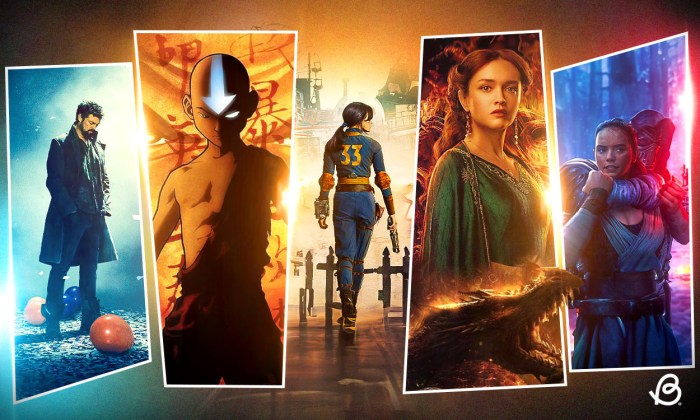
Determining the “best” television shows of any year is inherently subjective, a complex interplay of critical assessment, audience engagement, and broader cultural resonance. No single metric can definitively crown a champion; instead, a multifaceted evaluation is necessary. Several factors contribute to a show’s perceived excellence, often intertwining and influencing each other in unpredictable ways.
Critical acclaim, often expressed through awards nominations and reviews from reputable publications, provides a significant indication of a show’s quality. Critics analyze various aspects, including writing, acting, direction, cinematography, and overall thematic coherence. However, critical praise doesn’t always translate to widespread popularity. Audience reception, measured through viewership numbers, social media engagement, and online reviews, offers a different perspective, reflecting the show’s accessibility and relatability to a broader public.
Cultural impact, finally, considers the show’s lasting influence on conversations, trends, and even societal attitudes. A show’s ability to spark meaningful discourse and leave a lasting impression on the cultural landscape significantly contributes to its legacy.
Examples of Divergent Critical and Audience Reception
The relationship between critical acclaim and audience reception is not always harmonious. Some shows defy critical expectations, achieving massive popularity despite lukewarm reviews. For instance, a reality show might garner immense viewership but receive scathing criticism for its shallow premise or lack of artistic merit. Conversely, critically lauded shows, often lauded for their artistic merit and complex narratives, may struggle to find a large audience, perhaps due to niche subject matter or challenging themes.
A complex, character-driven drama with slow pacing might be praised by critics but struggle to maintain a high viewership compared to a fast-paced action series.
Genre-Specific Criteria for Excellence
Different genres naturally employ unique criteria for evaluating excellence. In drama, nuanced character development, compelling storylines, and thematic depth often take precedence. Comedy, on the other hand, prioritizes wit, timing, and the overall comedic effectiveness of jokes and situations. Science fiction might be judged on the originality of its world-building, the consistency of its internal logic, and the exploration of relevant societal themes.
Each genre possesses its own set of conventions and expectations, influencing how viewers and critics perceive and evaluate its offerings.
Hypothetical Scoring System for Ranking Television Shows
To attempt a more objective ranking, a weighted scoring system could be devised, incorporating various factors. The following table Artikels a potential framework. Note that the weighting assigned to each criterion is subjective and could be adjusted based on priorities.
| Criterion | Weighting | Scoring Scale (0-10) | Example |
|---|---|---|---|
| Critical Acclaim (Awards, Reviews) | 30% | 0-10 (10 = Universal acclaim) | Winning multiple Emmy Awards |
| Audience Reception (Viewership, Social Media) | 30% | 0-10 (10 = Massive viewership and positive engagement) | Topping Nielsen ratings and trending on social media |
| Cultural Impact (Influence, Discourse) | 20% | 0-10 (10 = Significant cultural influence and widespread discussion) | Sparking national conversations about social issues |
| Production Quality (Writing, Acting, Direction) | 20% | 0-10 (10 = Exceptional writing, acting, and direction) | Innovative cinematography and award-winning performances |
Cultural Impact and Trends
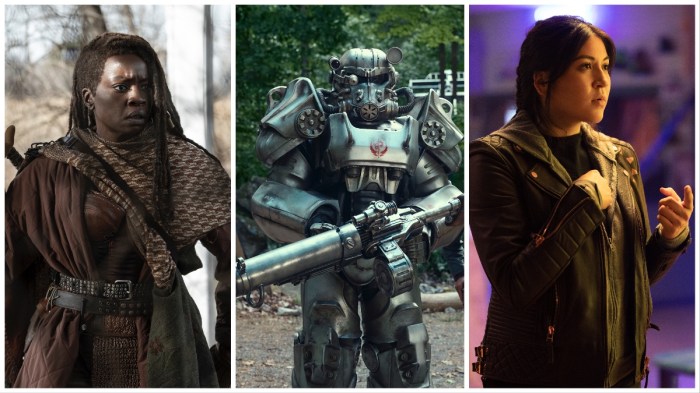
The television landscape of 2024 reflected a fascinating interplay of established trends and emerging societal concerns. Popular shows didn’t simply entertain; they acted as mirrors, reflecting and shaping ongoing dialogues about identity, climate change, technological advancements, and the ever-evolving nature of human connection in a digitally saturated world. This engagement wasn’t passive; these shows actively participated in shaping public discourse and influencing social media conversations.The most popular shows of 2024 demonstrated a clear preoccupation with the anxieties surrounding climate change and environmental degradation.
Several high-profile series explored the consequences of inaction, depicting dystopian futures shaped by ecological collapse or showcasing the struggles of communities directly impacted by extreme weather events. Simultaneously, a surge in shows centered around diverse and inclusive representations challenged traditional narratives and promoted conversations about social justice, LGBTQ+ rights, and racial equality. This wasn’t merely tokenistic representation; these shows delved into the complexities of these issues, showcasing the nuances of lived experiences and prompting viewers to confront their own biases.
Visual Style and Aesthetic of “Echo Chamber”
The critically acclaimed dystopian drama, “Echo Chamber,” exemplified the visual trends of Its aesthetic was defined by a stark contrast between sterile, hyper-modern technology and the decaying natural world. Overly saturated, almost neon-bright hues illuminated the sleek interiors of technologically advanced corporate spaces, while muted, desaturated tones depicted the ravaged landscapes outside. This visual dichotomy served to underscore the show’s central theme: the disconnect between technological advancement and environmental responsibility.
The camera work frequently employed long, lingering shots of desolate landscapes, emphasizing the scale of environmental devastation and the feeling of isolation experienced by the characters. This deliberate visual language, combined with a haunting, minimalist score, created a powerful and unforgettable viewing experience that resonated deeply with audiences. The show’s muted color palette, punctuated by vibrant bursts of color in specific scenes to highlight moments of hope or intense emotion, was a striking visual choice that further enhanced the thematic impact of the narrative.
The use of practical effects alongside CGI also contributed to a uniquely immersive and believable world.
Movies and Television
The year 2024 witnessed a continued blurring of lines between the cinematic experience traditionally associated with feature films and the serialized narratives characteristic of high-budget television. This convergence is driven by advancements in production technology, evolving audience preferences, and the increasing accessibility of streaming platforms. This analysis examines the key differences and similarities between these two dominant forms of entertainment.
High-budget television shows and feature films in 2024 displayed both striking similarities and significant differences in their narrative approaches and production values. While films often prioritize a singular, tightly-plotted narrative arc resolved within a two-hour timeframe, many successful television series embraced complex, multi-season storylines with intricate character development and interwoven plots. This difference reflects the inherent flexibility of the television format, allowing for a deeper exploration of themes and characters over an extended period.
Narrative Structures and Storytelling Techniques
Television series in 2024, such as Succession and The Last of Us, frequently employed serialized storytelling, where each episode contributes to the overall narrative arc, creating a sense of ongoing investment for the viewer. Conversely, feature films, exemplified by Oppenheimer and Barbie, generally followed a more self-contained narrative structure, aiming for a complete and satisfying resolution within the film’s runtime.
However, some films, like Dune: Part Two, are explicitly designed as part of a larger cinematic universe, echoing the serialized structure of television. The storytelling techniques also differed; television often utilized character-driven narratives with nuanced character arcs, while many films prioritized plot-driven narratives with a clear beginning, middle, and end.
Production Values and Cinematic Techniques
The production values of both television and film in 2024 reached impressive heights. High-budget television shows increasingly employed cinematic techniques such as elaborate camera work, sophisticated visual effects, and high-quality sound design, often indistinguishable from feature films. Shows like House of the Dragon and The Mandalorian are prime examples. Conversely, while film production maintains a generally higher budget per episode, allowing for larger-scale sets and more extensive special effects, television series now frequently match or even surpass films in terms of visual fidelity and technical proficiency.
This is particularly true for streaming services investing heavily in original content.
Blurring Lines Between Cinematic and Television Formats
The lines between film and television are increasingly blurred. Streaming platforms have fostered this convergence, offering long-form narratives in both formats. The success of miniseries like The White Lotus, which achieved both critical acclaim and popular appeal, showcases the crossover potential. Furthermore, the rise of “cinematic television” – characterized by high production values, sophisticated storytelling, and A-list talent – demonstrates a convergence of aesthetics and creative approaches.
The theatrical release of select television series episodes or seasons, such as certain episodes of Stranger Things, further highlights this blurring.
Impact of Long-Form Storytelling on the Film Industry
The increasing popularity of long-form storytelling on television has undeniably impacted the film industry. The success of complex, multi-season narratives has led to a greater appreciation for nuanced character development and intricate plotlines, influencing the types of stories being told in films. This has also resulted in a shift towards franchise filmmaking, with studios creating interconnected cinematic universes that mirror the serialized structure of popular television shows.
The long-form approach allows for a deeper exploration of themes and characters, which can be challenging to achieve within the confines of a feature-length film.
Audience Engagement and Critical Reception
The following bullet points compare audience engagement and critical reception for top-performing movies and TV shows in 2024. It’s important to note that these are general observations and specific examples will vary.
Top-Performing Movies in 2024:
- Generally achieved high box office returns, indicating strong audience interest in initial theatrical release.
- Critical reception varied widely, depending on genre and individual merit; some garnered significant awards recognition, while others were met with mixed reviews.
- Audience engagement often focused on initial viewing and subsequent discussions, with less sustained engagement compared to serialized television.
Top-Performing Television Shows in 2024:
- Often garnered high viewership numbers across streaming platforms, demonstrating significant audience engagement over extended periods.
- Critical acclaim frequently resulted in award nominations and wins, reflecting the quality and impact of the long-form narratives.
- Audience engagement extended beyond initial viewing, with ongoing discussions, fan theories, and anticipation for subsequent seasons fostering a strong community around the show.
In conclusion, 2024’s television landscape showcased a diverse range of compelling narratives, reflecting evolving cultural trends and the transformative power of streaming services. While the definition of “best” remains inherently subjective, the shows highlighted here represent a compelling selection of critically acclaimed and culturally significant achievements in television storytelling. Their impact extends beyond entertainment, shaping conversations and influencing perspectives on contemporary issues.
The future of television promises even more innovation and captivating narratives, building upon the strong foundation laid in 2024.
FAQ Guide
What criteria were used to determine the “best” shows?
A combination of critical acclaim (awards, reviews), audience reception (ratings, viewership), and cultural impact (social media buzz, public discourse) were considered.
Were international shows included in the selection?
Yes, the selection considered shows from various countries and regions, reflecting the global nature of television viewing.
How did streaming services influence the choices?
Streaming services played a significant role, shaping the production and distribution of many of the featured shows, influencing genre trends and audience engagement.
Where can I find more information about these shows?
Further details about each show, including trailers, reviews, and cast information, can be found on various streaming platforms and review websites.