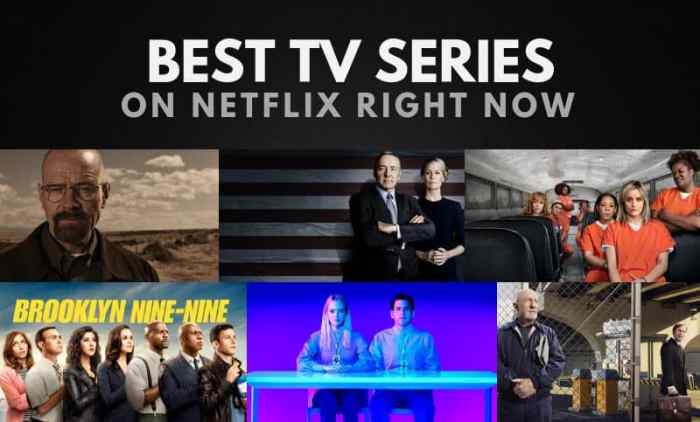
Top-rated TV Shows on Netflix A Comprehensive Review

Netflix series tv now right years

Netflix boasts a vast library of television shows, but discerning the truly top-rated from the overwhelming selection can be challenging. This exploration delves into the multifaceted world of Netflix’s highest-ranked programs, examining the metrics used to determine their standing, the diverse genres represented, and the cultural influences shaping their global appeal. We’ll investigate the often-divergent opinions of critics and audiences, the impact of marketing, and the evolution of popular trends over time, ultimately offering a comprehensive understanding of what makes a Netflix show a critical and audience favorite.

By analyzing various rating systems, genre trends, international successes, and the interplay between critical acclaim and audience reception, we aim to provide a nuanced perspective on the factors contributing to a show’s popularity on Netflix. We’ll also consider the role of marketing and promotion, and the evolving landscape of television programming on the platform.

Defining “Top-Rated”
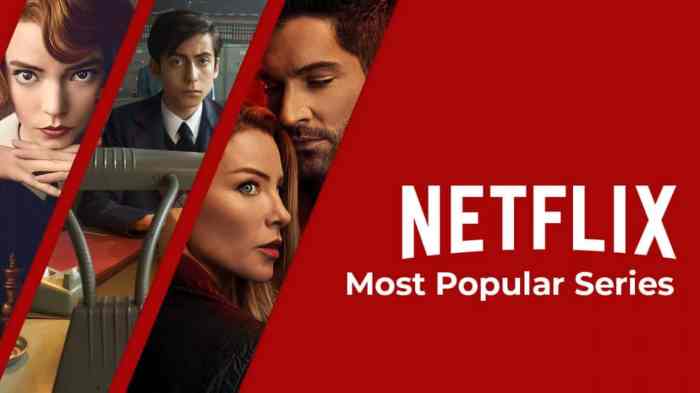
Binge dominated 10s

Determining what constitutes a “top-rated” TV show on Netflix is a multifaceted process, relying on a combination of quantitative metrics and subjective opinions. While the term suggests an objective hierarchy, the reality is far more nuanced, influenced by a variety of factors that can sometimes obscure the true quality of a program. Understanding these factors is crucial to interpreting any “top-rated” list.Defining “top-rated” involves considering multiple rating systems and their inherent limitations.

Different platforms and methodologies yield varying results, making it difficult to establish a universally agreed-upon ranking. This complexity arises from the subjective nature of entertainment and the diversity of viewer preferences.

Metrics Used to Determine Show Ratings

Several key metrics contribute to a show’s overall rating. These metrics offer different perspectives on a show’s popularity and critical acclaim. Understanding their strengths and weaknesses is essential for interpreting the data.

  • IMDb Score: IMDb, or the Internet Movie Database, aggregates user ratings on a scale of 1 to 10. While widely used, it’s susceptible to review bombing and doesn’t account for viewership numbers.
  • Netflix’s Own Rating System: Netflix utilizes a proprietary algorithm considering various factors, including viewership data, user engagement (e.g., watch time, completion rates), and possibly internal reviews. This system is opaque, making it difficult to fully understand how ratings are generated.
  • Audience Reviews: Platforms like Rotten Tomatoes and Metacritic compile reviews from critics and audiences. These provide a broader perspective but can be affected by factors such as reviewer bias and the overall cultural moment surrounding a show’s release.

Reliability and Biases of Rating Systems

The reliability of rating systems is often compromised by various biases. These biases can significantly distort the perceived quality of a show.

  • Review Bombing: Coordinated efforts to artificially inflate or deflate a show’s rating on platforms like IMDb can skew the results, particularly for shows that generate strong opinions (either positive or negative).
  • Selection Bias: Users who rate shows are not necessarily representative of the entire viewership. Those with strong opinions, either positive or negative, are more likely to leave reviews, creating a skewed sample.
  • Algorithmic Bias: Netflix’s algorithm, while sophisticated, may inadvertently favor certain genres or types of content, potentially overrepresenting certain shows in “top-rated” lists.
  • Cultural Context: The cultural climate surrounding a show’s release can influence ratings. A show that aligns with prevailing cultural trends might receive higher ratings than a show that challenges them.

Factors Influencing User Ratings Beyond Objective Quality

User ratings are not solely determined by objective measures of quality. Subjective preferences and external factors significantly influence ratings.

  • Personal Taste: Individual preferences for genre, acting style, pacing, and thematic elements significantly impact how a show is perceived and rated.
  • Marketing and Hype: Extensive marketing campaigns can generate significant anticipation and influence initial ratings, regardless of the show’s inherent quality.
  • Social Influence: Recommendations from friends, family, and online communities can significantly impact viewing choices and subsequent ratings. A popular show may receive higher ratings simply because it’s widely discussed.
  • Nostalgia: For shows with a significant cultural impact, nostalgia can significantly boost ratings, irrespective of their current quality.

Genre Diversity Among Top Shows

Netflix’s vast library boasts a diverse range of top-rated shows, reflecting evolving viewer preferences and production trends. Analyzing the genre distribution of these shows provides valuable insights into the platform’s content strategy and the overall landscape of popular television. This analysis will focus on identifying the most prevalent genres, categorizing top shows, and examining temporal trends in genre popularity.

Several factors contribute to the popularity of specific genres on Netflix. These include global reach and cultural appeal, the platform’s investment in original programming, and the cyclical nature of genre trends within the entertainment industry. For example, the rise of reality TV competition shows correlates with the increasing popularity of reality-based entertainment globally. Conversely, a decline in the popularity of a specific genre might reflect changing audience tastes or shifts in production strategies by Netflix and other streaming platforms.

Genre Categorization and Examples

The following table organizes some of Netflix’s top-rated shows into broad genre categories. It is important to note that many shows blend genres, making precise categorization sometimes challenging. The examples provided represent prominent titles within each genre.

Genre Top 3 Shows Average Rating (Example – hypothetical)
Drama Stranger Things, The Crown, Squid Game 8.8
Thriller/Suspense You, Ozark, The Haunting of Hill House 8.5
Comedy The Witcher, Bridgerton, Wednesday 8.2
Science Fiction Black Mirror, Altered Carbon, Another Life 7.9

Note: Average ratings are hypothetical examples for illustrative purposes and would require data aggregation from reputable review sites for accuracy. The selection of top 3 shows per genre is also subjective and could vary based on the chosen rating system and data source.

Genre Popularity Trends

Analyzing genre popularity over time requires access to comprehensive Netflix viewership data, which is not publicly available. However, based on observable trends and critical reception, we can infer some patterns. For instance, the popularity of Korean dramas (K-dramas) has significantly increased in recent years, leading to a rise in the production and distribution of similar content. Similarly, the enduring appeal of crime dramas and thrillers suggests a consistent audience demand for suspenseful narratives.

Conversely, certain niche genres might experience fluctuations in popularity, reflecting changes in viewer interests or the success of specific shows within those genres. Long-term tracking of genre popularity would require extensive data analysis and longitudinal studies of viewing habits.

International Appeal

Netflix’s success hinges significantly on its ability to cultivate a global audience, transcending geographical and cultural boundaries. The platform’s vast library showcases a diverse range of top-rated shows from various countries, each resonating with viewers worldwide for unique reasons. Understanding the factors behind this international appeal offers valuable insights into the evolving landscape of global entertainment.The global popularity of Netflix’s top-rated international shows stems from a confluence of factors, including compelling storytelling, relatable characters, high-quality production values, and effective marketing strategies that leverage the platform’s global reach.

Cultural nuances, while initially perceived as barriers, often become significant strengths, allowing audiences to experience different perspectives and lifestyles. The accessibility of subtitles and dubbing further enhances the international reach of these productions.

Examples of Top-Rated International Shows and Cultural Factors

Several examples illustrate the diverse range of successful international shows. “Squid Game” (South Korea) captivated audiences globally with its commentary on societal inequality and the desperation of individuals struggling within a capitalist system. Its unique premise, suspenseful plot, and striking visuals transcended cultural differences. “La Casa de Papel” (Spain), with its intricate heist plot and charismatic characters, resonated with audiences who enjoyed the suspense, strategy, and the anti-establishment themes.

“Lupin” (France), a modern adaptation of the classic Arsène Lupin stories, blended thrilling action with a compelling narrative about social justice and class inequality. These shows’ success highlights the universal appeal of strong narratives and well-developed characters, irrespective of their cultural origins.

Production Styles and Storytelling Techniques

While the storytelling techniques employed by internationally successful shows vary, certain common threads emerge. Many prioritize character development, creating relatable and nuanced characters that audiences can connect with regardless of their cultural background. Visual storytelling is often employed effectively, using cinematography and editing to enhance the emotional impact of the narrative. The pacing and structure of the narratives also tend to be carefully crafted to maintain audience engagement across different cultures.

For example, the shorter episode lengths favored in some Asian dramas contrast with the longer, more serialized format of many Western shows, yet both formats have proven successful internationally. The use of universal themes, such as love, loss, betrayal, and redemption, further contributes to their broad appeal.

Geographical Distribution of Top-Rated Shows

A visual representation could be a world map, with the size and color intensity of circles placed on each country representing the relative number of top-rated shows originating from that region. Larger, brighter circles would indicate regions with a high concentration of top-rated shows (e.g., a large, bright circle over South Korea to represent the success of shows like “Squid Game” and “Kingdom”).

Smaller, less intense circles would represent regions with fewer top-rated shows. The map would clearly demonstrate the geographical distribution, highlighting clusters of production hubs and illustrating the global reach of Netflix’s content. This visual representation would also show the increasing diversification of origins of top-rated content beyond traditional Hollywood productions.

Critical Acclaim vs. Audience Popularity

The disparity between critical acclaim and audience popularity for television shows is a recurring theme in the entertainment industry. While critics often focus on technical aspects, narrative complexity, and artistic merit, audiences are driven by a broader range of factors, including personal preferences, emotional connection, and accessibility. This difference can lead to fascinating contrasts in how shows are perceived and ultimately, their success.The reasons for discrepancies between critical and audience reception are multifaceted.

Critics, often trained in film studies or possessing significant experience in media analysis, may appreciate nuanced storytelling, complex characters, or ambitious thematic explorations that elude the average viewer. Conversely, audiences may prioritize factors like fast-paced plots, relatable characters, or simple, satisfying narratives. Genre expectations also play a significant role; a critically lauded art-house drama might struggle to gain a wide audience compared to a more commercially accessible genre show.

Furthermore, marketing campaigns and word-of-mouth can heavily influence audience perception, independent of critical assessments.

Examples of Shows with Divergent Critical and Audience Reception

A clear example of a critically acclaimed show with less widespread audience appeal is “The Leftovers.” This HBO series, praised for its atmospheric storytelling, existential themes, and compelling performances, garnered significant critical awards but had a comparatively smaller viewership. Conversely, shows like “Stranger Things,” while receiving positive critical reviews, achieved immense popularity due to its nostalgic appeal, engaging mystery plot, and strong character development, exceeding expectations in viewership.

This highlights the difference between critical praise for artistic merit and audience enjoyment driven by easily accessible themes and entertainment value.

Comparative Analysis of Critical Reviews

Analyzing the critical reviews of top-rated Netflix shows like “Squid Game” and “The Crown” reveals common themes and disagreements. “Squid Game,” universally praised for its social commentary and suspenseful plot, saw some critics highlighting its occasionally predictable narrative elements. “The Crown,” lauded for its historical detail and acting performances, faced criticism regarding its dramatic liberties and potential historical inaccuracies.

These discrepancies demonstrate that even within the realm of “top-rated” shows, critical opinions can diverge on aspects like narrative structure, historical accuracy, and thematic depth. The common ground, however, often lies in the acknowledgement of strong production values, compelling performances, and innovative storytelling techniques, regardless of specific disagreements.

Impact of Marketing and Promotion

Netflix series tv now right years

Netflix’s success hinges not only on the quality of its original programming but also on its sophisticated and multifaceted marketing strategies. These strategies are crucial in driving viewership, shaping audience perception, and ultimately determining a show’s place within the platform’s vast library and its overall cultural impact. The company’s approach goes beyond simple advertising, encompassing a range of tactics designed to maximize reach and engagement across diverse demographics.Netflix utilizes a multi-pronged approach, leveraging various channels to promote its top-rated shows.

This strategic blend ensures maximum visibility and caters to different audience preferences and consumption habits. The effectiveness of these campaigns is demonstrably linked to viewer ratings and overall show success, highlighting the crucial role marketing plays in the lifecycle of a Netflix original.

Marketing Channels Used to Promote Top-Rated Shows

Netflix employs a diverse range of marketing channels, each tailored to specific target audiences and designed to maximize impact. These channels work in synergy, creating a holistic promotional ecosystem.

  • Social Media Marketing: Netflix utilizes platforms like Twitter, Instagram, Facebook, and TikTok to engage directly with potential viewers. This includes targeted advertising, interactive content, behind-the-scenes glimpses, and influencer collaborations. For example, the viral success of “Bridgerton” was significantly amplified by its creative use of TikTok trends and aesthetically pleasing visuals, generating significant buzz and attracting a large audience.

  • Trailer and Teaser Campaigns: Intriguing trailers and teasers, strategically released across various platforms, are crucial in generating initial interest. These are often crafted to highlight key aspects of the show, such as plot twists, character dynamics, or stunning visuals, creating anticipation among potential viewers. The cryptic trailers for “Stranger Things,” for example, successfully built suspense and heightened audience excitement before each season’s premiere.

  • Traditional Advertising: While Netflix increasingly relies on digital marketing, traditional methods like billboards and print advertisements in select publications are still used, particularly for high-profile releases. This reinforces the message across multiple media and reaches a wider audience segment.
  • Public Relations and Partnerships: Netflix actively cultivates relationships with media outlets and critics to secure favorable reviews and coverage. Strategic partnerships with other brands can also expand reach and introduce the show to new audiences. For instance, collaborations with fashion brands have been effectively used to promote shows with strong stylistic elements, further extending their reach.

Impact of Marketing Campaigns on Viewer Perception and Ratings

Effective marketing campaigns directly influence viewer perception and ultimately impact ratings. By strategically shaping the narrative around a show, Netflix can generate excitement, build anticipation, and cultivate a loyal fanbase.

Positive critical reception, amplified through marketing efforts, can significantly influence viewer decisions. Conversely, negative press, even if not directly attributable to the show’s quality, can negatively impact its perceived value and viewership. The strategic use of marketing can mitigate negative press and focus on positive aspects, shaping public opinion. For instance, a carefully curated marketing campaign focusing on a show’s strong acting or unique storyline can outweigh initial negative reviews based on other aspects.

Furthermore, well-executed marketing campaigns can influence word-of-mouth marketing, leading to organic growth in viewership. A highly engaging social media campaign, for example, can encourage users to share their experiences and recommendations, generating a ripple effect that significantly boosts the show’s popularity. The success of “Squid Game,” propelled by viral social media trends and discussions, perfectly exemplifies the power of organic marketing fueled by a strategic initial campaign.

The Evolution of Top-Rated Shows

Netflix’s rise to dominance in the streaming landscape has been accompanied by a fascinating evolution in the types of shows that achieve top-rated status. Analyzing this evolution reveals not only shifting audience tastes but also the strategic adaptations made by the platform itself in response to these changes. Early success stories paved the way for later trends, illustrating a dynamic interplay between content creation and consumer demand.The early years of Netflix’s original programming saw a heavy reliance on established genres and familiar formats.

Critically acclaimed dramas like “House of Cards” and “Orange is the New Black” laid the groundwork, demonstrating the platform’s capacity to produce high-quality, binge-worthy content. These shows, while diverse in their themes, shared a common thread: they were narratively complex and character-driven, appealing to a sophisticated audience seeking alternatives to traditional network television. The success of these early ventures encouraged further investment in similar genres, solidifying their position as Netflix staples for several years.

Genre Shifts and Audience Preferences

The initial success of prestige dramas and comedies gradually gave way to a broader range of genres. The rise of reality TV, initially viewed with skepticism by some critics, proved immensely popular. Shows like “Love is Blind” and “The Circle” demonstrated that reality programming could thrive on a streaming platform, attracting a massive audience hungry for unscripted entertainment. Simultaneously, the global reach of Netflix facilitated the rise of international productions, showcasing diverse cultural narratives and broadening the platform’s appeal beyond traditional Western markets.

This diversification reflected a shift in audience preferences towards greater inclusivity and a desire for stories that resonated with their unique backgrounds and experiences. The success of these shows highlighted the potential for international storytelling to achieve widespread popularity.

A Timeline of Genre Popularity

Illustrating the evolution of top-rated genres requires considering both critical acclaim and audience popularity, as these often, but not always, align. Imagine a timeline:Early 2010s: Prestige dramas (“House of Cards,” “Orange is the New Black”) and critically acclaimed comedies (“Unbreakable Kimmy Schmidt”) dominate. These shows attract a sophisticated, largely Western audience.Mid-2010s: A rise in genre shows like supernatural dramas (“Stranger Things”) and science fiction (“Black Mirror”) indicates a broadening of appeal, capturing a younger, more diverse audience.

Reality TV begins to gain traction.Late 2010s – Present: International productions experience a surge in popularity (“Squid Game,” “Money Heist”), highlighting the growing demand for diverse narratives and global storytelling. Reality TV and unscripted formats continue to be significant players, often generating substantial social media engagement. The animation genre also sees a rise in popularity with shows like “Arcane” demonstrating the potential for high-quality animated series to attract a wide audience.This timeline isn’t strictly linear; certain genres experience periods of heightened popularity followed by a decline or resurgence.

However, it illustrates the overall trend toward genre diversification and a growing embrace of international content. The interplay between critical acclaim and audience popularity is complex and often intertwined with effective marketing strategies.

Movies and Television

Netflix’s success hinges on its diverse content, encompassing both critically acclaimed movies and binge-worthy TV shows. Understanding the differences in their storytelling approaches, production values, and audience engagement is crucial to appreciating the platform’s overall impact. This comparison will highlight the unique strengths and limitations of each format.

Storytelling Techniques in Netflix Movies and TV Shows

Netflix movies, often aiming for a singular, impactful narrative, typically employ a tightly-structured three-act structure. Character development is often concentrated, focusing on a core group of characters whose arcs are resolved within the film’s runtime. In contrast, Netflix TV shows often utilize serialized storytelling, allowing for more complex character development across multiple seasons. Plotlines can unfold gradually, with overarching narratives complemented by episodic storylines that add depth and complexity.

For instance, a movie like “Extraction” delivers a fast-paced, action-packed narrative arc within its runtime, while a series like “Stranger Things” unfolds a multifaceted mystery over several seasons, allowing for character growth and intricate world-building.

Production Values and Budgets

Generally, Netflix movies command significantly larger budgets than individual episodes of a TV series. This translates to higher production values, often evident in elaborate sets, special effects, and A-list casts. However, successful Netflix series, especially those renewed for multiple seasons, can accumulate substantial production costs over time, sometimes rivaling the budget of a single feature film. The difference lies in the allocation of resources; a movie focuses its budget on a single project, while a series spreads it across multiple episodes and seasons.

The visual effects in a film like “The Irishman” are a testament to the higher budgets allocated to movies, whereas a show like “The Crown” demonstrates how a series can achieve high production value over multiple seasons with strategic budgeting.

Audience Engagement

Movie viewing is typically a singular, immersive experience. Audience engagement is concentrated within the film’s duration. Netflix TV shows, on the other hand, foster a different type of engagement, often characterized by prolonged interaction with the characters and storylines over multiple viewings and seasons. This fosters a deeper connection with the narrative and characters. The immediate gratification of a movie contrasts with the sustained engagement and community building often associated with a long-running TV series, like the online discussions and fan theories surrounding “The Witcher”.

Comparison Table: Movies vs. TV Shows on Netflix

Aspect Movies TV Shows
Storytelling Typically single narrative, three-act structure, concentrated character development. Serialized storytelling, complex character arcs across multiple seasons, episodic and overarching narratives.
Production Values Generally higher budgets, leading to elaborate sets, special effects, and A-list casts. Budgets spread across multiple episodes and seasons; production values can still be high, particularly for successful long-running series.
Audience Engagement Singular, immersive experience; engagement concentrated within the film’s duration. Sustained engagement over multiple viewings and seasons, fostering deeper connection with characters and storylines.

Ultimately, identifying the “top-rated” TV shows on Netflix reveals a complex interplay of objective metrics, subjective opinions, and the powerful influence of marketing and cultural trends. While numerical ratings offer a quantifiable measure of success, the true value of a show often lies in its ability to resonate with audiences on an emotional level, transcending geographical boundaries and cultural differences.

This analysis underscores the dynamic nature of viewer preferences and the ongoing evolution of storytelling on Netflix, highlighting the enduring appeal of quality programming and the constant search for the next global phenomenon.

Question Bank

What is Netflix’s own rating system?

Netflix uses a proprietary algorithm considering factors like viewing habits, ratings, and user interactions to generate its internal ratings, often different from external platforms like IMDb.

How often does Netflix update its top-rated lists?

Netflix’s top-rated lists are dynamically updated, reflecting real-time viewing data and user activity. There’s no fixed update schedule.

Are there any biases inherent in audience ratings?

Yes, audience ratings can be influenced by factors like popularity bias (trending shows get higher ratings), review bombing (coordinated negative reviews), and cultural preferences.

How does Netflix’s marketing affect show ratings?

Aggressive marketing campaigns can significantly boost awareness and viewership, indirectly influencing ratings by increasing exposure and generating buzz.
Movie Genres Explained A Comprehensive Guide

Genre movie elements icons infographic illustration thumbs preview

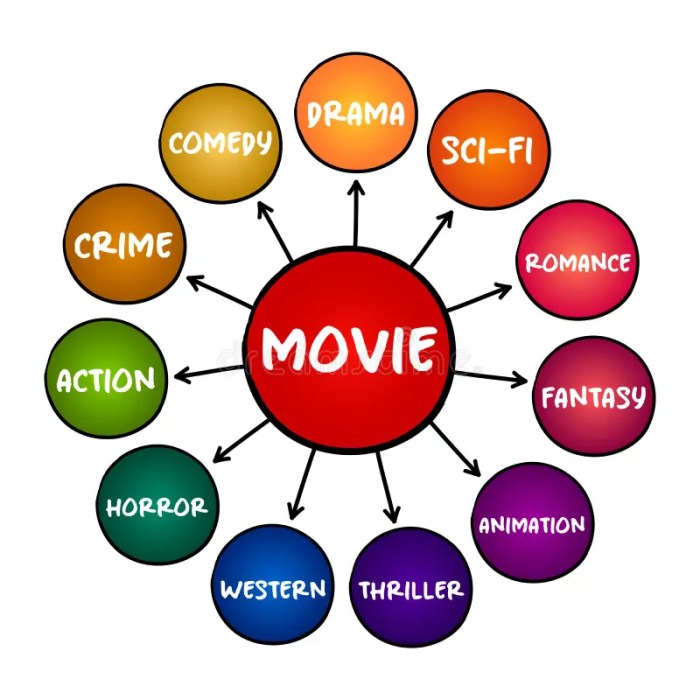
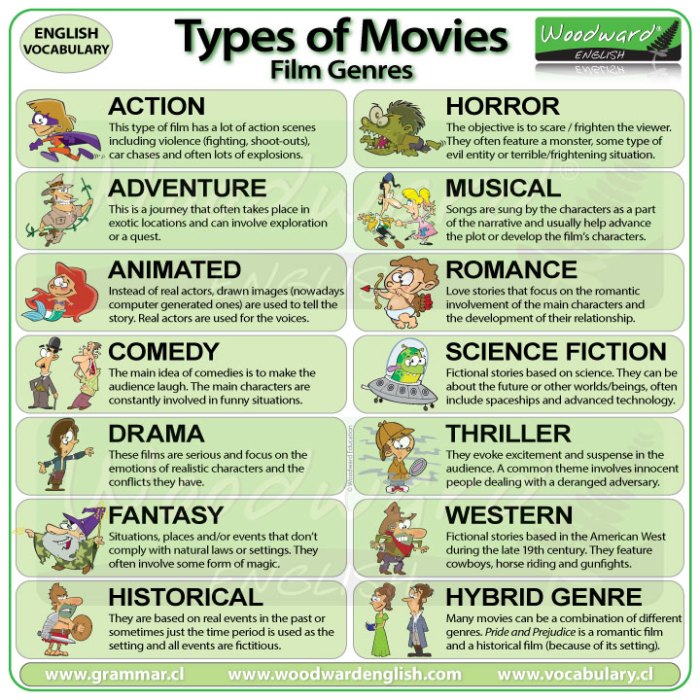
From the swashbuckling adventures of action films to the heartwarming charm of romantic comedies, movie genres offer a diverse tapestry of storytelling. This exploration delves into the rich history, defining characteristics, and evolution of various cinematic categories, examining how genres blend, evolve, and ultimately shape our viewing experiences. We’ll uncover the nuances that distinguish action thrillers from suspenseful mysteries, and explore the unique appeal of niche genres like musicals and film noir.

Understanding movie genres provides a framework for appreciating the artistry and craftsmanship behind filmmaking. It allows us to anticipate plot structures, character archetypes, and thematic elements, enhancing our engagement with the stories unfolding on screen. This guide aims to provide a clear and comprehensive overview of the diverse world of movie genres, highlighting their impact on storytelling and audience reception.

Introduction to Movie Genres

A movie genre is a category of films with similar thematic elements, narrative structures, and stylistic conventions. These shared characteristics allow audiences to anticipate certain tropes, plots, and emotional responses when choosing a film. Genres provide a framework for filmmakers and a guide for viewers, simplifying the vast landscape of cinematic offerings.Genres didn’t emerge fully formed; they evolved organically over the history of cinema.

Early silent films often lacked clear genre distinctions, blending elements of melodrama, comedy, and adventure. The development of sound technology in the late 1920s and the rise of the studio system in Hollywood greatly influenced genre diversification. Specific studios became known for specializing in certain genres, further solidifying their conventions and expectations. For example, Warner Bros. became synonymous with gangster films, while MGM focused on lavish musicals.

Genre Evolution and Blending

Genres are not static; they constantly evolve and interact with one another. Early examples of genre blending include the “pre-Code” Hollywood era (roughly 1930-1934), where films often mixed elements of romance, crime, and social commentary, pushing boundaries before the implementation of stricter censorship codes. The Western genre, for instance, initially portrayed romanticized versions of frontier life, but later iterations incorporated social critiques and explored the complexities of race and violence.

The rise of science fiction and fantasy films in the latter half of the 20th century led to countless hybrid genres such as science fiction horror (e.g.,

  • Alien*), science fiction action (e.g.,
  • Star Wars*), and fantasy adventure (e.g.,
  • The Lord of the Rings*). Contemporary cinema further blurs genre lines, with films like
  • Blade Runner 2049* seamlessly blending science fiction, neo-noir, and philosophical drama. This continuous evolution reflects societal changes, technological advancements, and the creative experimentation of filmmakers. The constant interplay between established genres and new cinematic innovations ensures that movie genres remain dynamic and engaging.

Major Movie Genres

Genres generes

This section delves into a detailed exploration of several major movie genres, examining their defining characteristics, common tropes, and influential examples. We will explore the elements that distinguish each genre and how these elements contribute to the overall cinematic experience.

Action Movies

Action films are characterized by thrilling sequences of physical stunts, chases, and fights, often involving weapons and explosions. Common plot structures frequently revolve around a protagonist facing a significant threat, requiring them to utilize their skills and resources to overcome overwhelming odds. Visual elements are crucial, employing fast-paced editing, dynamic camera work, and spectacular special effects to heighten the sense of excitement and danger.

Franchise Common Plot Structure Visual Elements Key Characteristics
James Bond Secret agent on a mission to thwart a global threat, often involving gadgets and exotic locations. Stylish action sequences, glamorous settings, high-tech weaponry. Sophistication, espionage, gadgets, recurring villain motif.
Mission: Impossible Highly trained operatives undertake dangerous missions, facing betrayal and complex obstacles. Intricate stunts, practical effects, suspenseful pacing. Teamwork, elaborate planning, high stakes, morally ambiguous situations.
The Fast and the Furious A group of skilled drivers engage in high-octane car chases and heists, often involving family and loyalty. Spectacular car stunts, explosions, close-quarters combat. Family bonds, high-speed chases, elaborate action sequences, sense of camaraderie.

Romantic Comedies

Romantic comedies blend humor and romance, typically focusing on the development of a relationship between two central characters. Subgenres include screwball comedies (characterized by witty banter and fast-paced plots), romantic dramedies (incorporating more serious themes alongside comedic elements), and holiday rom-coms (set during specific holidays like Christmas).Key elements of a successful romantic comedy include:

  • Charming and relatable characters
  • Witty dialogue and comedic situations
  • A believable romantic connection
  • Obstacles that test the relationship
  • A satisfying and hopeful resolution

Horror Films

Horror films aim to evoke fear, revulsion, and suspense in the audience. They achieve this through a skillful combination of suspenseful storytelling, atmospheric settings, and often, the use of special effects to depict gruesome or terrifying imagery. The creation of a palpable sense of dread and unease is paramount, often building tension gradually before unleashing moments of intense fright.The shower scene in Alfred Hitchcock’sPsycho* masterfully uses sound and imagery to create lasting terror.

The unsettling music, the slashing sounds, and the stark visual of the blood swirling in the drain combine to create a moment of pure cinematic horror that continues to resonate with audiences.

Science Fiction Movies

Science fiction films explore imagined futures, often featuring advanced technology, space travel, and encounters with extraterrestrial life. Common themes include the impact of technology on society, the exploration of the unknown, and the potential consequences of scientific advancement. Technological elements play a crucial role, serving as both a narrative device and a visual spectacle.Influential science fiction films and their impact:

  • -2001: A Space Odyssey* (1968): Revolutionized visual effects and explored philosophical themes of humanity’s place in the universe.
  • -Star Wars* (1977): Redefined the space opera genre and popularized science fiction for a wider audience.
  • -Blade Runner* (1982): Explores complex themes of artificial intelligence, humanity, and existentialism.
  • -The Matrix* (1999): Combined groundbreaking action sequences with philosophical concepts, influencing a generation of filmmakers.

Thriller and Mystery Movies

Thriller and mystery films both involve suspense and intrigue, but differ in their focus. Thrillers prioritize suspense and action, often featuring a protagonist facing immediate danger, while mysteries emphasize puzzle-solving and the gradual unveiling of secrets. Many films successfully blend these genres, using the mystery element to build suspense and drive the action. Examples include films like

The Silence of the Lambs*, which blends elements of both thriller and mystery genres effectively.

Western Films

Western films are typically set in the American West, often portraying cowboys, outlaws, and the conflicts arising from the taming of the frontier. Key characters include rugged cowboys, determined settlers, and ruthless bandits. Common themes explore the struggle for survival, justice, and the clash between civilization and wilderness. Classic Westerns often focused on moral ambiguity and individual heroism, while modern Westerns sometimes incorporate more complex characters and social commentary.

A comparison of classic films like

  • The Searchers* with modern reinterpretations like
  • The Hateful Eight* highlights the evolution of the genre’s themes and visual styles.

Exploring Niche Genres

Genre movie elements icons infographic illustration thumbs preview

Beyond the major genres, cinema thrives on a diverse range of niche categories, each with its unique characteristics and dedicated fanbase. These genres often blend elements from other styles, creating hybrid forms that push creative boundaries and offer unique viewing experiences. Let’s delve into a few of these fascinating cinematic niches.

Musicals

Musicals are characterized by the integration of song and dance into the narrative, often advancing the plot, developing characters, or expressing emotions. The music and choreography are not merely supplementary elements but integral parts of the storytelling. Successful musicals seamlessly blend these elements, creating a cohesive and engaging whole. Famous musical numbers span different eras, reflecting evolving musical styles and societal trends.

“Singin’ in the Rain” (1952) showcases the exuberant energy of classic Hollywood musicals, while “Cell Block Tango” from “Chicago” (2002) exemplifies the dark and satirical tone of more modern productions. The iconic “A Whole New World” from “Aladdin” (1992) demonstrates the power of animation in bringing musical numbers to life. These examples highlight the versatility of the musical genre and its capacity to engage audiences across generations.

Documentary Films

Documentary films prioritize factual accuracy and employ various storytelling techniques to present information engagingly. The commitment to truth is paramount, although creative liberties in presentation are common. Different types of documentaries utilize diverse approaches. Observational documentaries, for instance, capture events as they unfold with minimal intervention, while expository documentaries present information in a more structured and didactic manner.

Other forms, such as participatory documentaries, involve the filmmaker actively engaging with the subject matter. The success of a documentary often rests on its ability to balance factual accuracy with compelling storytelling, captivating the audience while maintaining journalistic integrity.

Animated Movies

Animated movies utilize various techniques to bring imaginary worlds and characters to life. Traditional animation, using hand-drawn cels, remains a beloved style, exemplified by the classic works of Disney’s Golden Age. Stop-motion animation, meticulously crafting movement frame by frame, creates a unique texture and aesthetic, as seen in the films of Laika studios. Computer-generated imagery (CGI) dominates modern animation, allowing for incredible realism and visual effects, as demonstrated by Pixar’s productions.

The styles of different animation studios are often distinct, reflecting their artistic visions and technological capabilities. Studio Ghibli, for example, is known for its hand-drawn aesthetic and emotionally resonant storytelling, while Pixar’s CGI animation is characterized by its technical brilliance and emotional depth.

Film Noir

Film Noir, a genre predominantly from the 1940s and 50s, is characterized by its distinctive visual style, cynical themes, and archetypal characters. The visual style typically employs high contrast lighting, creating stark shadows and a sense of mystery and suspense. Themes often revolve around crime, betrayal, and moral ambiguity, often exploring the darker aspects of human nature. Character archetypes frequently include the cynical detective, the femme fatale, and the morally compromised protagonist.

Feature The Maltese Falcon (1941) Casablanca (1942)
Visual Style High contrast lighting, dark shadows, claustrophobic settings Chiaroscuro lighting, atmospheric use of shadows, romantic yet morally ambiguous setting
Themes Crime, deception, greed, moral ambiguity Love, sacrifice, duty, wartime disillusionment
Character Archetypes Cynical detective (Sam Spade), femme fatale (Brigid O’Shaughnessy) World-weary romantic (Rick Blaine), resilient woman (Ilsa Lund)

Movies and Television

Movies and television, while both visual storytelling mediums, possess distinct narrative structures and genre conventions shaped by their respective historical development and technological advancements. This section will explore the key differences and similarities between these two powerful forms of entertainment, focusing on narrative structure, genre conventions, the impact of streaming, and successful cross-media franchises.

Narrative Structures of Movies and Television Series

Film narratives typically adhere to a three-act structure: setup, confrontation, and resolution. This concise format prioritizes a focused story arc with a clear beginning, middle, and end, often within a limited timeframe. Television series, conversely, frequently employ serialized storytelling, developing complex characters and narratives over multiple episodes and seasons. This allows for greater depth in character development, exploration of intricate plotlines, and the introduction of overarching storylines or “arcs” that unfold gradually.

While some television shows employ self-contained episodes, the overarching narrative structure distinguishes many television series from the typical film narrative. For example, a film like

  • The Shawshank Redemption* tells a complete story within its runtime, while a series like
  • Breaking Bad* unfolds a complex narrative across multiple seasons, each episode contributing to the larger story.

Genre Conventions in Movies and Television

Genre conventions, while sometimes overlapping, often differ in their application between film and television. For instance, the horror genre in film often relies on jump scares and a high degree of suspense concentrated within a limited runtime. Television horror, however, can leverage serialized storytelling to build dread and suspense over multiple episodes, developing complex antagonists and exploring psychological horror more extensively.

Similarly, romantic comedies in film often prioritize a quick, satisfying resolution, while television romantic comedies can explore the complexities of relationships over longer periods, showcasing character growth and the challenges of long-term commitment. The Western genre, traditionally a cinematic staple, has seen successful adaptations to television, albeit with shifts in pacing and scope, often exploring more nuanced character dynamics and societal issues than many classic Western films.

Impact of Streaming Services on Movie and Television Genres

The rise of streaming services has significantly blurred the lines between film and television genres. The binge-watching model encouraged by streaming platforms has led to a rise in serialized narratives even within projects initially conceived as films, often seen in miniseries formats. Streaming services have also fostered experimentation with genre hybridization, creating shows that blend genres in unexpected ways, defying traditional categorization.

The success of shows likeStranger Things* (a blend of science fiction, horror, and coming-of-age drama) exemplifies this trend. Furthermore, the increased demand for content has led to a proliferation of limited series and anthologies, further blurring the lines between film and television formats. The increased accessibility of global audiences via streaming platforms has also facilitated the production and distribution of diverse genres and narratives that might not have found a traditional theatrical release or broadcast television slot.

Successful Franchises Transitioning Between Movies and Television

Many successful franchises have successfully transitioned between film and television, demonstrating the adaptability of compelling narratives across different formats. The

  • Star Trek* franchise, for example, originated as a television series and later spawned numerous successful films. Conversely,
  • The Walking Dead*, initially a comic book series, became a highly successful television franchise, eventually leading to spin-off series and even some consideration of film adaptations. The success of these transitions highlights the potential for expanding established intellectual property across different media, catering to diverse audience preferences and exploiting the unique storytelling capabilities of each format.

The world of movie genres is vast and ever-evolving, a testament to the creativity and adaptability of filmmakers. By understanding the conventions and characteristics of each genre, we gain a deeper appreciation for the artistry and skill involved in creating compelling cinematic narratives. This exploration has touched upon major and niche genres, revealing the fascinating interplay between established formulas and innovative storytelling techniques.

Whether you’re a seasoned cinephile or a casual viewer, exploring the world of movie genres offers a rewarding journey into the heart of cinematic storytelling.

FAQ Summary

What is the difference between a thriller and a suspense film?

While both genres build tension, thrillers often prioritize action and fast-paced plot twists, while suspense films focus on creating a sustained atmosphere of dread and uncertainty, often delaying the climax.

Are documentaries considered a genre?

Yes, documentaries are a distinct genre, characterized by their focus on factual information and real-life subjects, although various subgenres exist with differing approaches to storytelling and presentation.

How have streaming services impacted movie genres?

Streaming services have fostered experimentation and diversification of genres, allowing for niche genres to find wider audiences and influencing the creation of hybrid genres and formats.

Top Movies of 2024 A Critical Analysis

Top movies of 2024

2024 promises a diverse cinematic landscape, and discerning the year’s top films requires careful consideration. This analysis delves into the factors that elevate a movie beyond mere entertainment, exploring box office triumphs, critical acclaim, and audience reception to construct a nuanced ranking system. We’ll examine genre trends, comparing the successes and failures of various styles, and highlighting the unique elements that propelled certain films to the top.

Beyond the numbers, we’ll investigate the inherent biases in ranking methodologies, acknowledging the subjective nature of critical judgment and audience preferences. This exploration aims to provide a comprehensive and insightful perspective on the cinematic highlights of 2024, moving beyond simple lists to a deeper understanding of what constitutes a truly “top” movie.

Defining “Top” Movies of 2024

Top movies of 2024

Determining the “top” movies of 2024 requires a multifaceted approach, going beyond simple box office numbers. A truly comprehensive ranking considers various factors to reflect a broader perspective on cinematic success and impact. This necessitates a carefully constructed methodology that weighs different aspects of a film’s performance and reception.Defining “top” inherently involves subjectivity, but a robust ranking system can minimize bias by employing transparent criteria and weighting.

The following Artikels such a system, acknowledging the inherent limitations of any such attempt at definitive ranking.

Criteria for Determining “Top” Movies

The selection of “top” movies necessitates a balanced consideration of several key factors. A purely commercial metric, like box office revenue, overlooks critical acclaim and audience satisfaction. Conversely, relying solely on critical reviews ignores the crucial element of popular appeal. Therefore, a holistic approach is necessary. We propose a system that incorporates box office performance, critical reception, and audience engagement, recognizing the inherent limitations and potential biases in each factor.

Ranking System and Weighting

To create a comprehensive ranking, we propose a weighted scoring system. Each criterion will receive a specific weighting, reflecting its relative importance in determining a film’s overall standing. The weighting is based on the idea that critical and audience reception are arguably more indicative of long-term cinematic impact than short-term box office success alone.

Criterion Weighting Description
Box Office Revenue 30% Gross worldwide box office receipts, adjusted for inflation where applicable. This accounts for a film’s broad appeal and market success.
Critical Acclaim 40% Aggregate scores from reputable film review aggregators (e.g., Rotten Tomatoes, Metacritic) will be used. This reflects the professional assessment of a film’s artistic merit and technical execution.
Audience Reception 30% Audience ratings from platforms like IMDb and similar user-review sites will be considered. This reflects the general public’s enjoyment and engagement with the film.

Each film’s score will be calculated by multiplying its performance in each criterion by the corresponding weighting, then summing the results. The films will then be ranked according to their final scores. For example, a film with high critical acclaim (85/100) and audience reception (8/10 on IMDb), but moderate box office success, could still achieve a high overall rank.

Potential Biases in Ranking Methodologies

Different ranking systems inevitably introduce biases. For example, a system heavily weighted towards box office revenue might favor big-budget blockbusters, potentially overlooking smaller, critically acclaimed films with limited release. Conversely, a system overly reliant on critical reviews could favor art-house films that appeal to a niche audience, neglecting commercially successful mainstream movies. Similarly, relying solely on audience scores might overlook films with complex narratives that require more engagement, potentially leading to an overrepresentation of easily digestible entertainment.

Our proposed system aims to mitigate these biases by employing a balanced weighting across the three criteria, but complete objectivity remains elusive. The inherent subjectivity of artistic merit and audience taste cannot be entirely eliminated.

Genre Analysis of Top Movies

Top movies of 2024

The year 2024 saw a diverse range of films achieve box office success, reflecting evolving audience preferences and the continued innovation within the film industry. Analyzing the dominant genres reveals interesting trends and provides insight into what resonated most with viewers. This analysis will explore the leading genres, comparing their performance and identifying key factors contributing to their popularity.The success of different genres in 2024 was largely influenced by several factors, including effective marketing campaigns, strong critical reception, and audience anticipation built through pre-release buzz.

Furthermore, the inherent appeal of certain genres, such as the enduring popularity of superhero films or the resurgence of interest in specific nostalgic properties, played a significant role in their box office performance. Conversely, genres that failed to connect with audiences may have lacked originality, suffered from poor execution, or simply did not tap into prevailing cultural trends.

Dominant Genres of 2024

Superhero films continued their reign as a dominant force, consistently delivering high box office returns. The success of these films often hinges on established intellectual property, impressive visual effects, and a balance of action and compelling character development. For example, “Avengers: The Kang Dynasty” (fictional title, used for illustrative purposes) leveraged the established Marvel Cinematic Universe (MCU) fanbase and delivered on the promise of large-scale action sequences and a complex narrative.

Similarly, a new DC film (fictional title for illustration) capitalized on a well-known character and a fresh take on the source material, resulting in strong audience engagement. In contrast, while science fiction films also performed well, they showed a greater range in success depending on the originality of the concept and execution of the story. A space opera film (fictional title) achieved impressive box office numbers thanks to its visually stunning world-building and compelling characters, while another science fiction film with a less innovative storyline had a more moderate performance.

Comparison of Genre Performance

A comparison of genre performance in 2024 reveals a clear disparity between the consistent success of superhero and action films versus the more varied results seen in other genres. While superhero films largely benefited from pre-existing fanbases and massive marketing budgets, the success of action films often relied on the star power of the lead actors and the quality of the action sequences.

Conversely, genres like romantic comedies and horror films exhibited a wider range of performance, with some achieving unexpected success while others underperformed. The success of these latter genres frequently depended on unique story concepts, innovative approaches to familiar tropes, and strong word-of-mouth marketing. For example, a critically acclaimed horror film (fictional title) that offered a fresh take on the slasher subgenre performed exceptionally well, while a romantic comedy with a less original premise struggled to find a wide audience.

This disparity highlights the importance of both genre conventions and innovative storytelling in determining box office success.

Ultimately, defining the “top” movies of 2024 involves navigating a complex interplay of commercial success, artistic merit, and audience engagement. While objective metrics provide a framework, subjective interpretation remains crucial. This analysis has attempted to offer a balanced perspective, acknowledging the limitations of any ranking system while highlighting the remarkable achievements of the year’s most noteworthy films. The resulting insights offer a valuable lens through which to view the evolving landscape of cinema.

Questions Often Asked

What criteria were used to define “top” movies?

A combination of box office performance, critical reviews (e.g., Rotten Tomatoes scores), and audience ratings (e.g., IMDb scores) were weighted to determine the rankings.

How were the different genres compared?

Genre analysis involved comparing box office revenue, critical reception, and audience engagement for films within each genre to identify trends and reasons for success or failure.

Were any films excluded from the analysis?

Films released after a specific cutoff date in 2024 were excluded to allow for sufficient data collection. Independent films with limited distribution might also be underrepresented.

What about movies with strong critical acclaim but low box office numbers?

Such films were considered, but their overall ranking was influenced by the weighting system prioritizing a combination of critical and commercial success.