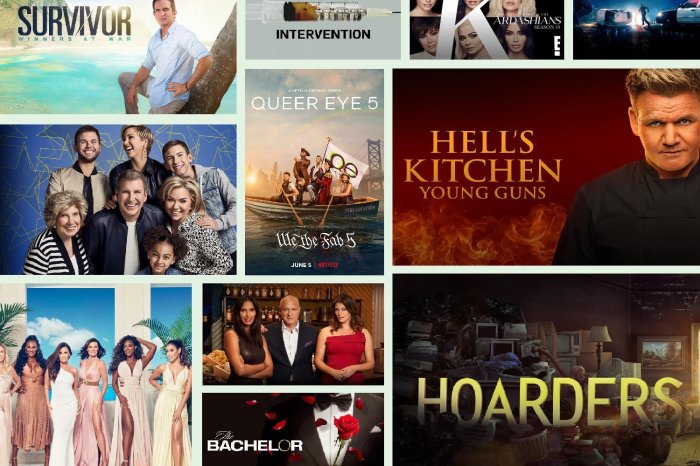
Reality television, a genre once defined by observational documentaries, has dramatically evolved. From the intimate portrayal of family life in shows like
-An American Family* to the highly-produced, competition-driven formats dominating today’s screens, the transformation reflects both technological advancements and shifting societal values. This evolution, fueled by social media’s pervasive influence and a constant push for genre innovation, has reshaped the industry, creating a landscape as complex as it is captivating.
This exploration delves into the multifaceted world of reality TV, examining its historical trajectory, its symbiotic relationship with social media, its creative innovations, the business mechanics driving its success, its reflection of contemporary society, and its surprising influence on other media forms. We will analyze the impact of streaming platforms, the ethical considerations surrounding its production, and the future directions of this ever-evolving genre.
Evolution of Reality TV Formats
Reality television, a genre initially conceived as a window into real-life situations, has undergone a dramatic transformation since its inception. Early attempts at capturing unfiltered reality gradually gave way to highly stylized and manipulated formats, often prioritizing entertainment value over genuine documentary representation. This evolution reflects broader shifts in media consumption and the ever-increasing demand for compelling narratives.The shift from observational documentaries to heavily produced competition shows represents a fundamental change in the genre’s approach.
Early reality programs, such as “An American Family” (1973), aimed to present a seemingly unfiltered portrayal of everyday life, albeit with the inherent biases of the filming and editing process. However, the success of competition-based formats like “Survivor” (2000) and “Big Brother” (2000) signaled a turning point, highlighting the audience’s appetite for structured conflict and dramatic narratives. This preference for manufactured drama has significantly shaped the landscape of modern reality TV.
Early Reality TV and Modern Formats: A Comparison
“An American Family,” a groundbreaking series for its time, used a cinéma vérité style, attempting to minimize interference in the family’s daily lives. The editing was relatively straightforward, aiming for a naturalistic feel. In contrast, contemporary reality shows often employ extensive editing techniques to create heightened drama and specific character arcs. Modern shows actively shape narratives through selective footage, voiceovers, and music choices, crafting compelling stories that may not entirely reflect the unedited reality.
This difference highlights a fundamental shift from observing reality to constructing it for entertainment purposes. The focus has moved from simply showing everyday life to manufacturing engaging conflicts and compelling characters.
The Rise of Competition-Based Reality TV
The success of competition-based reality TV can be attributed to several factors. The inherent drama of competition, the clear-cut narrative structure, and the elimination format all contribute to a highly engaging viewing experience. Shows like “Survivor” and “The Amazing Race” established a formula that has been replicated and adapted countless times, spawning subgenres like cooking competitions (“MasterChef”), singing competitions (“American Idol”), and dating competitions (“The Bachelor”).
The impact on the genre is undeniable: competition-based formats now dominate the reality TV landscape, influencing the structure and style of even non-competition shows. The rise of these shows also led to the development of more sophisticated editing techniques designed to maximize suspense and emotional impact.
Evolution of Reality TV Editing Techniques
Early reality TV editing was relatively minimal, prioritizing a documentary-style approach. Modern reality TV, however, utilizes sophisticated editing techniques to manipulate audience perception. Techniques like selective editing, confessional interviews, and the strategic use of music and sound effects are employed to create specific narratives and enhance emotional impact. For example, a seemingly innocuous interaction might be presented as a major conflict through careful selection of shots and audio.
This level of manipulation raises ethical questions about the authenticity of the presented reality, but it also undeniably contributes to the genre’s popularity. The constant evolution of editing techniques reflects the ongoing quest to create ever more compelling and engaging television.
Impact of Social Media on Reality TV
Social media has fundamentally reshaped the landscape of reality television, moving beyond simple promotion to become an integral part of the production process itself. Its influence permeates every stage, from initial casting to the ongoing narrative and ultimately, the show’s longevity and success. The symbiotic relationship between reality TV and social media platforms is a powerful force shaping both entertainment and online culture.Social media significantly influences casting choices and storylines.
Producers actively scour social media platforms to identify potential contestants, looking for individuals with engaging personalities, pre-existing online followings, and compelling backstories readily available for public consumption. Furthermore, social media trends and conversations often directly inform storyline development. Producers might incorporate popular online challenges, memes, or even direct audience feedback into the show’s narrative to increase relevance and viewer engagement.
The inherent drama and conflict often amplified by social media interactions are highly desirable for reality television.
Social Media’s Role in Narrative Creation and Amplification
Social media serves as a powerful tool for creating and amplifying narratives surrounding reality TV personalities. Contestants often cultivate their online personas, strategically sharing content that highlights their strengths and downplays their weaknesses. This curated self-presentation influences public perception and can significantly impact their popularity. Simultaneously, social media allows for rapid dissemination of information and opinions, both positive and negative, about contestants and the show itself.
This constant stream of online chatter can significantly shape the narrative arc of a season, with certain storylines receiving more attention and others fading into the background based on social media trends. For example, a seemingly minor conflict between two contestants could become a major storyline if it generates significant buzz and engagement on platforms like Twitter or TikTok.
Impact of Online Fan Communities on Show Longevity
Online fan communities play a crucial role in determining the longevity and success of reality TV shows. These communities, often thriving on platforms like Reddit, Facebook groups, and dedicated forums, provide a space for viewers to discuss episodes, share opinions, and engage with each other. The level of engagement within these communities can directly influence a show’s ratings and overall popularity.
A highly active and engaged fan base can generate significant buzz and publicity, leading to increased viewership and extending the show’s lifespan. Conversely, negative online sentiment can quickly damage a show’s reputation, potentially leading to cancellation. The sustained interest and active participation of online fan communities often lead to spin-offs, reunion specials, and even entirely new shows based on the popularity of specific personalities or storylines that emerged through online discourse.
Examples of Social Media Trends Shaping Reality TV Content
The rise of influencer culture has profoundly impacted reality TV casting. Shows increasingly feature contestants with substantial pre-existing online followings, leveraging their existing audience to boost the show’s viewership and engagement. Furthermore, the popularity of specific social media challenges and trends has led to their incorporation into reality TV formats. For instance, the popularity of TikTok dance challenges might inspire a reality show incorporating similar dance-offs or competitions.
Similarly, the rise of online beauty and fashion trends has influenced the styling and aesthetic of many reality TV shows, ensuring that they remain visually appealing and relevant to current social media trends. The success of shows like “Love Island” demonstrates the power of social media integration, with contestants actively engaging with their followers during and after the show’s run, thereby extending the show’s cultural impact and creating a powerful feedback loop between online engagement and on-screen narratives.
The Business of Reality TV
Reality television, a genre once considered a niche market, has evolved into a global phenomenon, generating billions of dollars annually. Its success hinges not only on captivating storylines and relatable characters but also on a sophisticated and multifaceted business model encompassing diverse revenue streams and complex production processes. Understanding the financial architecture of reality TV is crucial to grasping its enduring appeal and influence on the broader entertainment landscape.The various revenue streams associated with reality television production are extensive and interconnected.
These streams contribute to the overall profitability and sustainability of the genre.
Revenue Streams in Reality TV Production
The primary revenue source is typically advertising revenue, particularly for shows aired on traditional television networks. Network advertising sales are influenced by factors like viewership ratings, target demographic, and the show’s overall popularity. Beyond advertising, reality shows generate income through product placement, sponsorships, and brand integrations woven seamlessly into the narrative. For example, a cooking competition show might feature a specific brand of cookware or appliances throughout its episodes.
Furthermore, licensing and syndication deals, where the show is sold to other networks or streaming platforms for re-airing, contribute significantly to the overall profitability. Finally, international distribution rights and the creation of merchandise related to the show (clothing, books, etc.) can provide additional substantial revenue streams. The success of a reality TV show is often measured not only by its viewership but also by its ability to generate diverse and substantial revenue across these multiple channels.
Production Budgets of Different Reality TV Formats
Production budgets for reality TV shows vary drastically depending on several key factors. High-budget shows, like those featuring extensive international travel or complex production designs (e.g., “The Amazing Race”), can cost millions of dollars per episode. These productions often involve large crews, expensive locations, and elaborate post-production processes. Conversely, lower-budget shows, such as those filmed primarily in a studio setting with limited travel (e.g., some dating shows or competition shows), can have significantly smaller budgets, potentially operating in the hundreds of thousands per episode.
The format’s complexity, the number of participants, and the duration of filming all significantly impact production costs. Additionally, the involvement of established celebrities or well-known producers can dramatically increase the overall budget.
The Role of Streaming Platforms in Reality TV Distribution
Streaming platforms have fundamentally reshaped the distribution landscape of reality TV. Platforms like Netflix, Hulu, and Amazon Prime Video commission original reality programming, often offering creators greater creative control and potentially more favorable financial terms compared to traditional network television. Streaming services offer global reach, bypassing geographical limitations inherent in traditional broadcasting, and this allows for broader audiences and revenue opportunities.
The on-demand nature of streaming also impacts viewing habits, leading to increased binge-watching and potentially influencing the show’s overall structure and narrative pacing. The shift towards streaming has empowered smaller production companies and independent creators to gain access to a wider audience, fostering innovation and diversification within the genre.
Hypothetical Budget Breakdown for a New Reality TV Show
Let’s consider a hypothetical budget for a new reality competition show, “Culinary Clash,” airing on a streaming platform. This show features 10 contestants competing in weekly cooking challenges. The estimated budget, encompassing production costs and potential revenue, is as follows:
| Category | Estimated Cost |
|---|---|
| Pre-production (casting, location scouting, etc.) | $50,000 |
| Filming (crew, equipment, locations) | $200,000 |
| Post-production (editing, sound mixing, graphics) | $100,000 |
| Marketing and Promotion | $50,000 |
| Talent Fees (contestants, judges) | $100,000 |
| Total Production Cost | $500,000 |
Potential Revenue Streams:
| Revenue Stream | Estimated Revenue |
|---|---|
| Streaming Platform Licensing Fee | $300,000 |
| Sponsorships and Product Placement | $100,000 |
| Merchandise Sales (potential) | $50,000 |
| Total Potential Revenue | $450,000 |
Note: This is a simplified hypothetical budget and actual costs and revenues can vary significantly based on various factors. Profitability depends on factors beyond budget, including audience engagement and marketing success.
Reality TV and its Reflection of Society

Reality television, despite its often-contrived nature, serves as a fascinating reflection of societal values, anxieties, and evolving trends. By showcasing (and often exaggerating) interpersonal dynamics, competition, and aspirational lifestyles, these programs offer a distorted yet revealing lens through which to examine contemporary culture. The ethical considerations surrounding this reflection, however, are significant and require careful consideration.
Societal Values, Trends, and Anxieties Reflected in Reality TV
Reality TV frequently mirrors prevalent societal values. Shows emphasizing wealth and success, such as “The Real Housewives” franchise or “Keeping Up with the Kardashians,” reflect a culture that often prioritizes material possessions and outward displays of prosperity. Conversely, programs like “Survivor” and “Big Brother” highlight the importance of strategic thinking, resilience, and social manipulation in a competitive environment, reflecting anxieties about economic insecurity and the need to constantly strive for advancement.
The popularity of dating shows like “The Bachelor” and “Love is Blind” suggests a societal fascination with finding romantic partners and the ongoing search for love and connection in a rapidly changing world. These shows, while entertainment, act as barometers of shifting cultural priorities and anxieties.
Ethical Considerations in the Portrayal of Individuals
The ethical implications of reality TV are multifaceted. The editing process, for instance, can heavily influence the narrative and portrayal of participants, potentially creating misleading or unfair representations. Individuals may be manipulated through editing to appear more dramatic or controversial than they are in reality. The potential for emotional distress and reputational damage caused by negative editing or public scrutiny is a serious concern.
Furthermore, the pursuit of ratings can lead to the exploitation of vulnerable individuals, creating ethical dilemmas regarding the responsibility of producers and broadcasters. The lack of informed consent regarding the extent of editing and the potential consequences can also raise serious ethical questions.
Representation of Different Demographics
Reality TV’s representation of various demographics is uneven and often problematic. While some shows feature diverse casts, many still lack sufficient representation of marginalized groups. The casting process itself may inadvertently perpetuate stereotypes, leading to underrepresentation or stereotypical portrayals of racial, ethnic, LGBTQ+, and socioeconomic groups. For example, some shows may rely on easily identifiable stereotypes for comedic effect or to create conflict, thus reinforcing harmful prejudices.
A more equitable and accurate representation requires conscious efforts from producers to diversify casting and to avoid perpetuating harmful stereotypes.
Comparative Portrayal of Social Issues Across Reality TV Formats
The following table compares the portrayal of specific social issues across different reality TV formats. It’s important to note that these portrayals are often simplified and dramatized for entertainment purposes.
| Social Issue | Show Example | Portrayal | Critical Analysis |
|---|---|---|---|
| Class Inequality | “Rich Kids of Beverly Hills” | Displays of extravagant wealth juxtaposed with obliviousness to privilege. | Reinforces existing class divisions; lacks nuance in portraying economic realities. |
| Racial Bias | (Various reality competition shows) | Often subtle biases in editing or casting choices; sometimes overt instances of prejudice among contestants. | Highlights the persistence of systemic racism; needs more direct confrontation of issues. |
| Gender Roles | “The Bachelor”/”The Bachelorette” | Traditional gender roles often reinforced; women competing for a single man. | Challenges traditional gender dynamics are often limited; reinforces heteronormative expectations. |
| Mental Health | (Various reality shows) | Often sensationalized or trivialized; mental health struggles are sometimes used for dramatic effect. | Needs more responsible and accurate portrayal; requires greater sensitivity and awareness. |
Reality TV’s Influence on Movies and Television
Reality television, with its emphasis on dramatic narratives, relatable characters, and unscripted moments, has profoundly impacted the landscape of scripted television and film. The lines between reality and fiction have become increasingly blurred, with traditional narrative structures adapting to incorporate elements popularized by reality TV’s formulaic successes. This influence is evident in both the formats of shows and movies, and the careers of individuals who transitioned from reality stardom to acting.The pervasive influence of reality TV tropes is undeniable.
The rise of the “anti-hero,” often seen in reality competitions where contestants engage in morally ambiguous behavior, has found its way into numerous scripted dramas. Similarly, the confessional-style interviews, a staple of reality shows, have been adopted to provide insights into characters’ motivations and inner lives in fictional narratives. The focus on interpersonal conflict and dramatic reveals, meticulously crafted in reality TV editing, has become a blueprint for heightened tension and plot development in scripted programming.
Reality TV Formats Adapted for Scripted Television
The success of reality competition formats like “Survivor” and “Big Brother” has led to numerous scripted adaptations. These adaptations often retain the core elements of competition, isolation, and strategic alliances, but within a fictional framework. For instance, the premise of characters vying for survival in a hostile environment, a core element of “Survivor,” has been reimagined in numerous post-apocalyptic dramas and sci-fi thrillers.
Similarly, the social dynamics and strategic gameplay of “Big Brother” have inspired scripted series exploring the complexities of human relationships under pressure. These adaptations often benefit from the pre-existing audience familiarity with the format, providing a readily accessible entry point for viewers.
Blurring Lines Between Reality and Fiction
The rise of “docusoaps” and “mockumentaries” highlights the increasingly blurred lines between reality and fiction in contemporary media. Shows like “The Office” and “Parks and Recreation” successfully blended elements of documentary-style filmmaking with fictional narratives, creating a unique comedic style that appealed to a wide audience. This blurring extends to other genres as well, with scripted dramas incorporating “reality” elements like handheld camerawork and unscripted moments to enhance authenticity and viewer engagement.
The immersive nature of reality TV has encouraged a trend towards more naturalistic and character-driven storytelling in scripted productions, moving away from purely plot-driven narratives.
Reality TV Stars’ Transition to Acting
Many reality TV stars have successfully transitioned into acting roles, leveraging their pre-existing fame and familiarity with the public. The reality TV experience, while not a formal acting training ground, provides valuable experience in front of the camera, handling pressure, and projecting a persona. This experience can provide a significant advantage when transitioning to acting roles, particularly in smaller supporting roles or in projects that leverage their established public image.
While not all reality stars achieve significant acting success, several examples demonstrate the feasibility of such a transition. For instance, [Insert Example of a Reality Star Successfully Transitioning to Acting – include details of their career progression and the types of roles they’ve played]. This demonstrates that reality TV stardom can act as a springboard for a career in acting, though talent and adaptability remain crucial for sustained success.
Successful Adaptations of Reality TV Concepts into Feature Films
The dramatic narratives and high-stakes competition present in reality TV shows have inspired successful adaptations into feature films. The competitive elements, often involving survival, challenges, or social dynamics, translate well to the big screen, offering opportunities for visual spectacle and heightened drama. For example, the premise of a group of individuals competing for a prize, as seen in many reality competition shows, has been adapted into numerous films focusing on themes of teamwork, betrayal, and resilience.
[Insert Example of a Film Successfully Adapting a Reality TV Concept – include details of the film’s plot and how it draws upon reality TV tropes]. This illustrates the versatility of reality TV formats and their potential for adaptation into different cinematic genres.
From its humble beginnings as a social experiment to its current status as a global entertainment powerhouse, reality TV continues to adapt and reinvent itself. The genre’s enduring appeal lies in its ability to both reflect and shape our cultural landscape, offering a compelling blend of entertainment, social commentary, and entrepreneurial ingenuity. As social media continues to evolve and new platforms emerge, the future of reality television promises further innovation, blurring the lines between reality and fiction even further.
The exploration of its ethical implications and the responsible portrayal of individuals remain crucial considerations for its ongoing success and societal impact.
Detailed FAQs
What are some examples of reality TV shows that have successfully transitioned to other media?
Several reality shows have spawned successful spin-offs, movies, or even theatrical productions. Examples include
-The Real Housewives* franchise, which has led to numerous spin-offs, and
-The Bachelor*, which has been adapted into various international versions.
How does reality TV impact mental health, both for participants and viewers?
The intense pressure and scrutiny faced by reality TV participants can negatively impact their mental health. For viewers, excessive consumption can lead to unrealistic expectations and comparisons, potentially affecting self-esteem. Responsible viewing habits and awareness of potential psychological effects are important.
What is the future of reality TV in the age of AI?
AI’s potential applications in reality TV are vast, ranging from enhanced editing and personalized content to more sophisticated audience engagement strategies. However, ethical considerations surrounding AI’s role in shaping narratives and potentially manipulating viewers’ perceptions need careful attention.