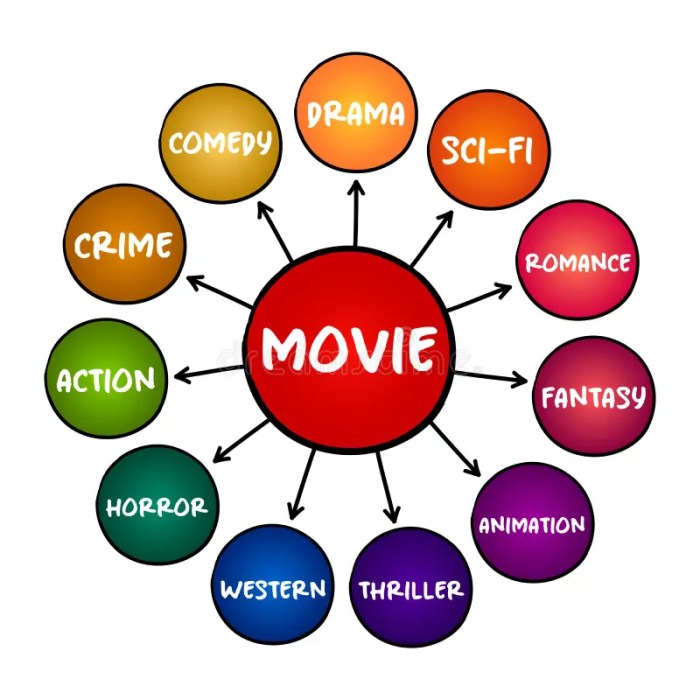
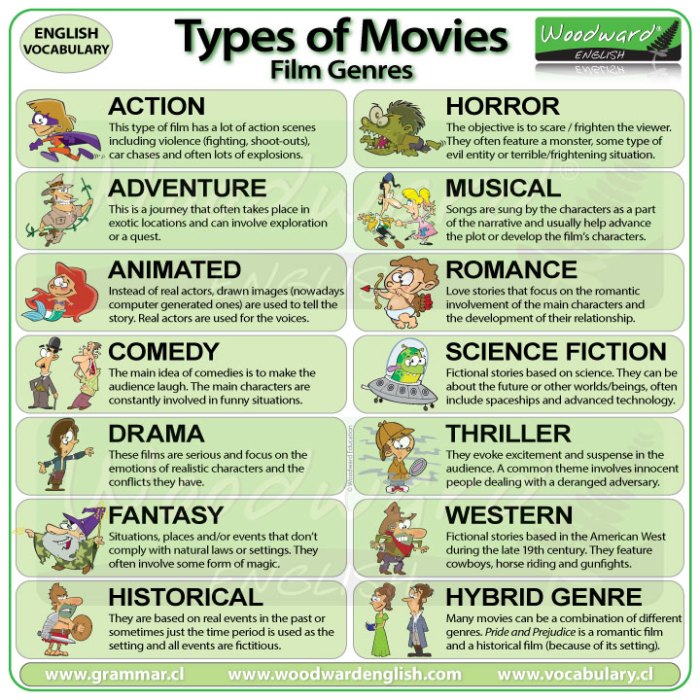
Television, a ubiquitous form of entertainment, thrives on its diverse range of genres. From the thrilling escapades of science fiction to the heartwarming narratives of family dramas, the landscape of television programming is a constantly evolving tapestry of storytelling. This exploration delves into the world of popular TV show genres, examining their defining characteristics, historical evolution, and influence on audiences across demographics and platforms.
We’ll analyze how streaming services have reshaped the industry and venture into predictions for future trends, considering the impact of emerging technologies.
This analysis will cover major genres, comparing and contrasting their key elements, target audiences, and narrative structures. We will trace the historical development of specific genres, highlighting the impact of technological advancements and shifting audience preferences. Furthermore, we’ll explore the differences between genre conventions in television and film, and consider the implications of runtime differences on storytelling.
Defining Popular TV Show Genres
Television shows are categorized into various genres, each with its own distinct characteristics and target audience. Understanding these genres helps viewers navigate the vast landscape of television programming and producers to better target their intended market. This section will define several major genres, compare and contrast key examples, and illustrate their defining features.
Major Television Show Genres and Their Characteristics
Television genres are not always mutually exclusive; many shows blend elements from multiple categories. However, certain core characteristics generally define each genre. A comprehensive understanding of these characteristics allows for better appreciation and analysis of the shows themselves.
| Genre | Key Characteristics | Examples | Target Audience |
|---|---|---|---|
| Comedy | Humorous situations, witty dialogue, often episodic storylines. Subgenres include sitcoms (situation comedies), romantic comedies, and dark comedies. | The Office, Friends, Parks and Recreation, Arrested Development | Broad, but often skews towards younger demographics and those seeking lighthearted entertainment. |
| Drama | Focuses on serious and complex themes, character development, and often features serialized storylines with ongoing narratives. Subgenres include crime dramas, legal dramas, medical dramas, and historical dramas. | Breaking Bad, The Crown, House M.D., The Wire | Wide-ranging, appealing to viewers who enjoy intricate plots and character-driven stories. |
| Science Fiction | Set in the future or other worlds, often explores themes of technology, space exploration, and societal change. Can encompass various subgenres like dystopian fiction, space opera, and cyberpunk. | Star Trek, Black Mirror, Westworld, Stranger Things | Appeals to fans of speculative fiction, often attracting a younger and technologically-savvy audience. |
| Reality TV | Features unscripted situations and real people, often focusing on competition, relationships, or daily life. Subgenres include competition shows, docu-series, and dating shows. | Survivor, Keeping Up with the Kardashians, The Real Housewives, RuPaul’s Drag Race | Highly diverse, depending on the specific show; can attract viewers seeking escapism, drama, or inspiration. |
| Horror | Aims to frighten or disturb the audience, often featuring supernatural elements, violence, or psychological suspense. Subgenres include slasher films, psychological horror, and gothic horror. | The Walking Dead, American Horror Story, Stranger Things (elements of), The Haunting of Hill House | Appeals to viewers who enjoy suspense, thrills, and psychological scares; often attracts a younger audience. |
Comparison of Comedy, Drama, and Science Fiction
Comedy, drama, and science fiction represent three distinct genres with contrasting approaches to storytelling. Comedy prioritizes humor and lightheartedness, often employing episodic structures with self-contained storylines. Drama, conversely, emphasizes character development and complex narratives, typically using serialized storylines to build upon previous episodes. Science fiction often blends elements of both, utilizing humor to offset serious themes and utilizing serialized narratives to explore complex futuristic concepts.
While comedy aims for laughs, drama seeks emotional engagement, and science fiction strives for thought-provoking exploration of possibilities. The target audiences also differ, with comedy often appealing to a broader audience, drama to those seeking deeper emotional connections, and science fiction to those interested in exploring imaginative worlds and ideas.
Evolution of Popular Genres
The landscape of television entertainment has been dramatically shaped by the evolution of its genres. From simple narratives to complex, interwoven storylines, genres have adapted to reflect societal changes, technological advancements, and evolving audience tastes. This dynamic process is particularly evident in the history of science fiction, a genre that has consistently mirrored and challenged our understanding of the world and our place within it.Science fiction’s journey from niche interest to mainstream phenomenon is a testament to its capacity for innovation and its ability to resonate with diverse audiences.
Its evolution is intrinsically linked to technological progress, societal anxieties, and the ever-shifting preferences of viewers.
Technological Advancements and Science Fiction’s Popularity
Technological advancements have profoundly influenced the popularity and production of science fiction television. Early science fiction, constrained by the limitations of television technology, often relied on imaginative storytelling and creative visual effects to depict futuristic worlds. The advent of color television expanded the visual possibilities, allowing for richer and more immersive depictions of alien landscapes and technological marvels. The development of CGI and special effects, starting in the late 20th century, revolutionized the genre, enabling the creation of incredibly detailed and realistic alien worlds, spaceships, and creatures, previously relegated to the imagination.
This technological leap allowed for more ambitious storytelling and increased the genre’s appeal to a broader audience, who could now experience the futuristic visions of writers in a more compelling way. The increasing accessibility of high-quality home video and streaming platforms further amplified the genre’s reach, making it readily available to viewers globally.
Shifts in Audience Preferences in Science Fiction
Initially, science fiction on television often focused on utopian or dystopian futures, exploring themes of technological progress and its potential consequences. Shows like “The Twilight Zone” (1959-1964) presented thought-provoking social commentaries wrapped in science fiction narratives, captivating audiences with their suspense and philosophical depth. Later, the genre expanded to encompass a wider range of subgenres, including space operas (“Star Trek,” 1966-1969), cyberpunk (“Blade Runner 2049,” film, but influencing TV), and post-apocalyptic narratives (“The Walking Dead,” 2010-2022).
These shifts reflect a change in audience preferences, moving from a focus on philosophical exploration to a greater demand for action, adventure, and complex character development. More recently, there’s been a resurgence of interest in socially conscious science fiction, reflecting a contemporary focus on issues such as climate change, social inequality, and artificial intelligence. The genre’s ability to adapt and incorporate these contemporary concerns ensures its continued relevance and appeal.
Timeline of Science Fiction Television
The following timeline illustrates key moments in the evolution of science fiction television:
- 1950s-1960s: Early science fiction anthology series like “The Twilight Zone” and “Outer Limits” establish the genre’s foundation, exploring philosophical and social themes through self-contained episodes. These shows often used creative visual effects and suspenseful narratives to compensate for technological limitations.
- 1960s-1970s: “Star Trek” emerges as a landmark series, introducing a hopeful vision of the future and exploring themes of diversity, tolerance, and exploration. Its influence on subsequent science fiction is immeasurable.
- 1980s-1990s: The advancements in special effects lead to more visually spectacular science fiction shows, such as “Babylon 5” and “Stargate SG-1,” which expanded the scope and scale of storytelling. The rise of cyberpunk subgenre influences the aesthetic and themes of some productions.
- 2000s-Present: The rise of cable television and streaming services allows for more mature and complex science fiction narratives, such as “Battlestar Galactica,” “Westworld,” and “Stranger Things.” These shows often blend science fiction with other genres, such as horror, thriller, and drama, reflecting the increasingly blurred lines between genres in modern television.
Genre Popularity Across Demographics
Television genre preferences are far from uniform; they vary significantly based on age, cultural background, and geographic location. Understanding these demographic shifts is crucial for broadcasters, streaming services, and content creators aiming to maximize viewership and engagement. This analysis explores the interplay between demographics and genre popularity, highlighting key trends and influences.Genre preferences are strongly correlated with age. Younger audiences (18-34) tend to gravitate towards genres offering fast-paced action, relatable characters, and contemporary themes.
Sci-fi, fantasy, superhero narratives, and reality competition shows often dominate this demographic’s viewing habits. Conversely, older audiences (55+) often show a preference for genres emphasizing character development, complex plots, and nostalgic elements. Crime dramas, historical pieces, and biographical series frequently appeal to this group. The middle age group (35-54) demonstrates a broader range of preferences, often incorporating elements from both younger and older demographic preferences, depending on individual tastes and life experiences.
Age Group and Genre Preference
Younger viewers (18-34) exhibit a strong preference for action-packed genres like superhero shows and science fiction, reflecting their interest in fast-paced narratives and visually stimulating content. Reality television, particularly competition-based shows, also garners significant viewership in this demographic, possibly due to its focus on relatable characters and social dynamics. Conversely, older viewers (55+) tend to favor genres with more mature themes and slower pacing, such as crime dramas, historical dramas, and documentaries.
This shift might reflect a preference for intricate plots and character-driven narratives, as well as a desire for content that resonates with their life experiences. The 35-54 age group demonstrates a more diverse range of preferences, often bridging the gap between the younger and older demographics.
Cultural Influences on Genre Popularity
Cultural factors significantly influence genre preferences. For instance, a nation with a rich history might see a higher demand for historical dramas and period pieces, while a country with a strong emphasis on family values might favor family-oriented sitcoms or heartwarming dramas. Similarly, cultural events and social movements can significantly impact the popularity of specific genres. For example, a period of social unrest might lead to an increased interest in documentaries or dramas exploring social justice themes.
The rise of global streaming services has further complicated this dynamic, exposing viewers to a wider range of content and influencing preferences across different cultures. For example, the popularity of Korean dramas (K-dramas) and anime has increased globally, reflecting a growing appetite for diverse storytelling and unique cultural perspectives.
Geographic Variations in Genre Popularity
Genre popularity also varies considerably across geographical regions. For example, crime dramas might be more prevalent in regions with higher crime rates or a strong media focus on criminal justice. Similarly, genres reflecting national identity or historical events tend to be more popular within specific countries or regions. The availability of specific genres also plays a crucial role; for example, genres with significant production costs might be more prevalent in countries with robust media industries.
Streaming services, while offering global access to content, often tailor their recommendations and content libraries to suit regional preferences, leading to further variations in genre popularity. A bar chart illustrating this could show the percentage of viewers preferring different genres (e.g., romance, action, comedy, etc.) in various regions (e.g., North America, Europe, Asia). The chart would visually represent the disparities in genre popularity across different geographic locations.
For instance, it might show that romance dramas are particularly popular in Asia, while action films are more prevalent in North America.
The Influence of Streaming Services

Streaming services have revolutionized the television landscape, profoundly impacting the creation, distribution, and consumption of various genres. Their on-demand nature, vast content libraries, and data-driven algorithms have reshaped how viewers engage with television, leading to both exciting innovations and significant shifts in genre popularity.Streaming platforms have significantly altered the creation and distribution of television genres. The traditional gatekeeping role of broadcast networks and cable providers has diminished, opening doors for independent producers and diverse voices.
This has resulted in a proliferation of niche genres and a greater willingness to experiment with unconventional formats and storylines. The ability to release entire seasons at once, a hallmark of many streaming services, has also influenced storytelling, allowing for more complex narratives and serialized plots that cater to binge-watching habits. Furthermore, the global reach of streaming platforms has fostered cross-cultural collaborations and increased the visibility of international programming, leading to a more diverse and globally-connected television landscape.
Streaming Algorithms and Genre Popularity
Streaming algorithms utilize data on user viewing habits, preferences, and search history to personalize recommendations. This process significantly influences genre popularity by amplifying certain genres while potentially marginalizing others. Algorithms tend to prioritize content that aligns with established user preferences, leading to “filter bubbles” where users are primarily exposed to similar genres and styles. This can create a feedback loop, where popular genres become even more prominent, while less-represented genres struggle to gain traction.
For example, if a user primarily watches crime dramas, the algorithm will likely prioritize similar recommendations, potentially limiting their exposure to other genres like documentaries or romantic comedies. This algorithmic influence shapes viewer perceptions of genre popularity and directly impacts the types of content that streaming platforms choose to commission.
Genre Prevalence Across Streaming Services
Different streaming services cater to diverse audiences and have varying strategies regarding genre offerings. Netflix, known for its vast library, often prioritizes original programming across a wide range of genres, including dramas, comedies, documentaries, and reality shows. Conversely, platforms like Disney+ heavily emphasize family-friendly content, with a focus on animation, children’s programming, and superhero franchises. HBO Max, on the other hand, has cultivated a reputation for high-quality dramas, comedies, and critically acclaimed limited series.
These differences in genre emphasis reflect the platforms’ target demographics and branding strategies.
Genre Offerings of Major Streaming Platforms
| Genre | Netflix | Disney+ | HBO Max |
|---|---|---|---|
| Action/Adventure | High | Medium | Medium |
| Comedy | High | Medium | High |
| Drama | High | Low | High |
| Sci-Fi/Fantasy | High | Medium | Medium |
| Horror | Medium | Low | Medium |
| Animation | Medium | High | Low |
| Documentaries | High | Medium | Medium |
| Reality TV | Medium | Low | Low |
Movies and Television
Movies and television shows, while both operating within the realm of visual storytelling, exhibit significant differences in their approach to genre conventions, narrative structures, and runtime, leading to distinct storytelling styles. These differences stem from the inherent limitations and opportunities presented by each medium’s format and audience expectations.Genre conventions, while often shared between film and television, are implemented differently.
Movies, due to their limited runtime, typically focus on a singular, tightly-plotted narrative arc, often prioritizing a clear resolution. Television, on the other hand, benefits from serialized storytelling, allowing for complex character development, intricate plots spanning multiple episodes and seasons, and ongoing exploration of genre themes.
Genre Convention Implementation in Film and Television
Movies often utilize genre conventions as shorthand to quickly establish tone and expectations. A Western, for instance, might rely heavily on iconic imagery – dusty landscapes, saloons, and gunfights – to instantly convey its genre. Television series, however, have the luxury of gradually revealing genre conventions over time, allowing for subversions and unexpected twists within established frameworks. A television crime drama, for example, might initially adhere to familiar procedural tropes, but later seasons could introduce supernatural elements or explore the psychological depths of its characters, expanding the genre’s boundaries.
Narrative Structure Differences in Horror
Let’s examine the horror genre to illustrate narrative structural differences. Horror films often follow a three-act structure: setup, confrontation, and resolution. The limited runtime necessitates a rapid escalation of tension leading to a climactic confrontation with the antagonist. In contrast, horror television series can stretch the narrative across multiple episodes and seasons. A series might introduce a central mystery or threat gradually, building suspense through episodic investigations or character-focused arcs.
The resolution, if there is one, is often delayed or fragmented, allowing for ongoing exploration of the horror theme and its impact on characters. Consider the differences between a slasher film like “Scream” and a horror series like “The Walking Dead.” The former relies on a tightly-plotted narrative with a relatively swift conclusion, while the latter builds a complex, multi-layered story across multiple seasons.
Impact of Runtime on Genre Storytelling
The significant difference in runtime profoundly impacts storytelling. Movies, typically 90-120 minutes, demand concise narratives with focused character arcs and streamlined plots. Television, with its episodic format, allows for sprawling narratives, intricate character development, and exploration of multiple plotlines concurrently. A romantic comedy film needs to establish the central relationship, create conflict, and resolve it within a couple of hours.
A romantic comedy series, however, can develop the relationship over multiple seasons, exploring various facets of the characters’ lives and relationships along the way.
Successful Genre Transitions Between Film and Television
Many genres have successfully transitioned between film and television, often requiring significant adaptations. The crime drama genre, for example, readily adapts. Film crime dramas often focus on a single case or a specific criminal, while television series allow for ongoing investigations, character arcs that span multiple seasons, and exploration of the complex moral ambiguities of law enforcement. “The Wire,” a critically acclaimed television series, provides a compelling example, showcasing the intricate details of the Baltimore drug trade across multiple seasons in a way that would be impossible to achieve in a single film.
Similarly, the superhero genre, initially a staple of comic books and films, has flourished on television with series like “The Umbrella Academy” and “Daredevil,” which allow for deeper exploration of character motivations and backstories than typically found in feature films. These adaptations often involve expanding the scope of the narrative, developing recurring characters more fully, and utilizing the serialized format to create a more complex and nuanced storytelling experience.
Future Trends in TV Show Genres
The television landscape is in constant flux, driven by technological advancements, evolving audience preferences, and the ever-competitive streaming wars. Predicting the future of television genres is inherently speculative, but by analyzing current trends and emerging technologies, we can identify likely paths of development in the next five years. These predictions are based on observed shifts in audience engagement, production techniques, and the capabilities of new media platforms.The factors driving these changes are multifaceted.
The rise of interactive storytelling, fueled by advancements in technology, is a major influence. Simultaneously, audiences are increasingly demanding diverse and nuanced representations, pushing creators to explore more inclusive and experimental narratives. The economic pressures of the streaming market also play a significant role, encouraging the development of genres that offer high production value and broad appeal, while simultaneously allowing for niche explorations that cater to specific audience segments.
The Rise of Interactive and Immersive Storytelling
The integration of interactive elements and immersive technologies like virtual reality (VR) and augmented reality (AR) is poised to significantly reshape television genres. We’re already seeing early examples of choose-your-own-adventure style narratives in video games and interactive fiction, and this trend is likely to permeate television. Imagine a crime drama where viewers can choose the detective’s next move, influencing the course of the investigation and the ultimate outcome.
This level of audience participation creates a unique and personalized viewing experience, fostering a deeper engagement with the narrative. VR and AR could further enhance immersion, allowing viewers to step into the fictional world, explore environments, and interact with characters in unprecedented ways. The potential for these technologies to transform genres like sci-fi, fantasy, and horror is immense.
For example, a horror series could utilize VR to place viewers directly within the haunted house, increasing the sense of fear and suspense.
Genre Blending and Hybrid Formats
Expect to see a continued blurring of genre lines, with more hybrid formats emerging that blend elements from different established categories. For instance, we might see a rise in “dark comedies” that incorporate elements of thriller or horror, or “romantic thrillers” that combine romance with suspenseful plots. This trend reflects the increasingly sophisticated tastes of audiences, who are less interested in rigidly defined genres and more open to narratives that defy easy categorization.
The success of shows like “Russian Doll” (a dark comedy with sci-fi elements) demonstrates the audience’s appetite for such hybrid forms. The streaming platforms’ algorithms also encourage this genre-bending, as they identify and cater to viewers with eclectic tastes, leading to a more fragmented and diverse television landscape.
Personalized and Algorithmic Content Creation
The increasing sophistication of AI and machine learning is expected to influence the creation of television content. While not replacing human creativity, these technologies can assist in developing storylines, predicting audience preferences, and even generating personalized content experiences. This could lead to the emergence of genres tailored to highly specific niche audiences, creating a highly fragmented television market.
Imagine a sci-fi series where the plot dynamically adapts based on individual viewer choices and preferences, creating a unique narrative for each person. This personalized approach could transform the way television is consumed, leading to a more interactive and individualized experience.
Potential Future Genre Trends
The following list presents potential future genre trends, informed by current developments and technological advancements:
- Hyper-realistic simulations: Shows employing advanced CGI and VFX to create hyper-realistic worlds and characters, blurring the lines between fiction and reality. Think a medical drama so realistic that it feels like a live surgery, or a historical drama where historical figures are convincingly recreated.
- Interactive documentaries: Documentaries that incorporate interactive elements, allowing viewers to explore different perspectives and make choices that affect the narrative. This could involve choosing which interview to watch next or selecting alternative storylines based on evidence presented.
- Personalized horror: Horror experiences tailored to individual viewers’ fears and anxieties using AI and data analysis. This could result in a horror series where the scares are specifically designed to target a viewer’s personal phobias.
- VR/AR adventure series: Series designed specifically for VR/AR platforms, offering immersive experiences that go beyond traditional screen-based viewing. This could involve exploration games, puzzle solving, and interactive narratives within virtual environments.
- Meta-narrative dramas: Shows that explicitly comment on the nature of storytelling itself, breaking the fourth wall and playing with audience expectations. This could involve characters acknowledging their status as fictional entities or the narrative directly addressing the viewer.
The world of television genres is dynamic and ever-changing, reflecting societal shifts, technological innovations, and evolving audience tastes. While established genres continue to thrive, new subgenres and hybrid forms are constantly emerging, promising exciting developments in the years to come. Understanding the forces shaping these trends—from streaming algorithms to the impact of virtual and augmented reality—is key to appreciating the ongoing evolution of television storytelling and its enduring power to captivate audiences worldwide.
FAQ Explained
What is the difference between a sitcom and a dramedy?
Sitcoms typically rely on humor and episodic plots, while dramedies blend comedic and dramatic elements, often exploring more complex character arcs and storylines across multiple episodes.
How have reality TV shows impacted other genres?
Reality TV’s influence is multifaceted. Its popularity has led to increased use of unscripted elements in scripted shows, blurring the lines between fiction and reality. It has also created demand for more relatable and character-driven narratives across various genres.
What are some examples of genres that have successfully transitioned from film to television?
Science fiction, crime dramas, and horror have all successfully transitioned, often adapting their narratives to suit the episodic format of television, allowing for more character development and complex storylines.